National Dish Monaco: Ratatouille Provençale (Recipe)
In this article
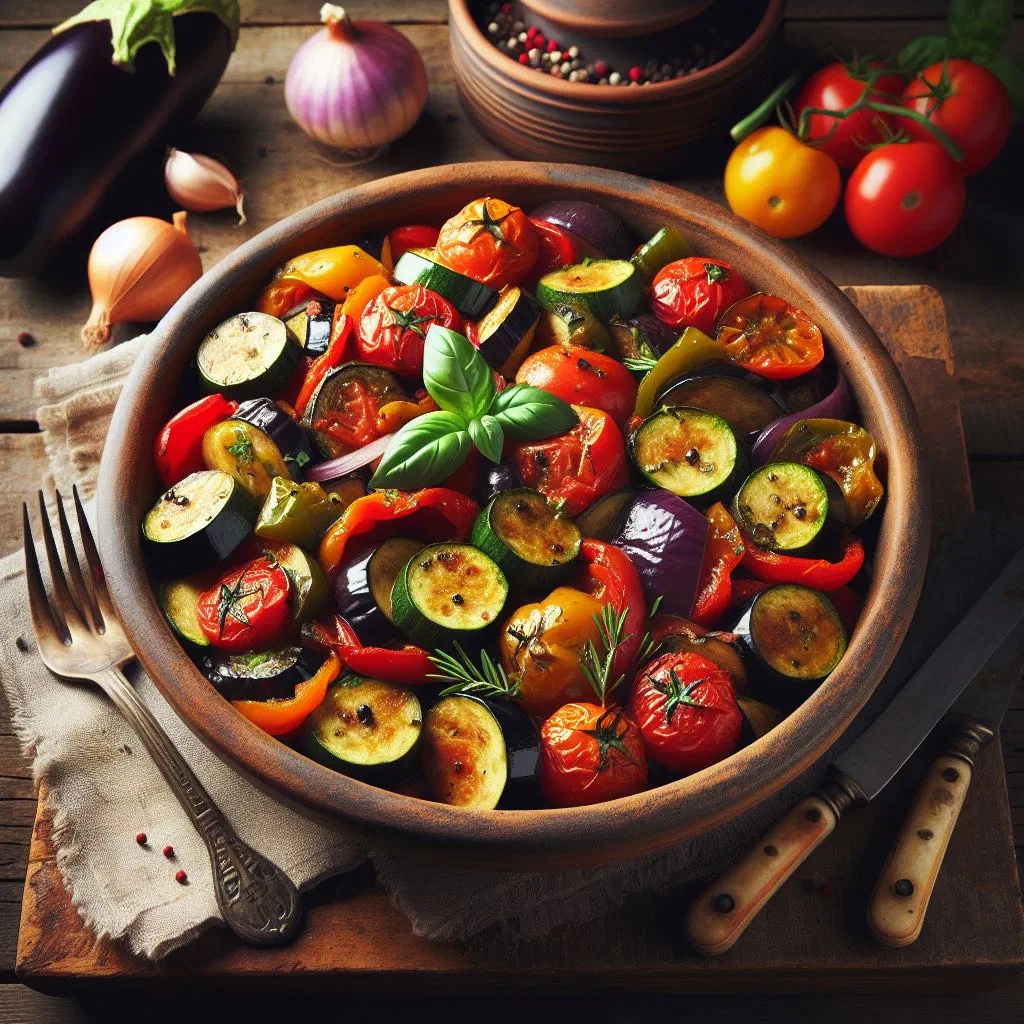
Few dishes capture the Mediterranean sunshine quite like Ratatouille Provençale. Simmered slowly with olive oil and dried herbs, this glowing medley of courgette, aubergine, peppers and tomatoes is the sort of unfussy cooking that has been passed down through Monegasque and Provençal kitchens for generations. It is naturally vegan, endlessly forgiving, and every bit as good warm from the pan as it is the following day.
About Ratatouille Provençale
Ratatouille Provençale is a traditional dish from Provence with a long and well-documented culinary history. This colourful vegetable stew wins people over with its fresh ingredients and its deep, concentrated flavour. The combination of courgette, aubergine, peppers and tomatoes creates a harmonious taste that sums up the Mediterranean way of life. In many families the dish is made year after year across generations, celebrating the flavours of the season and the art of simple cooking.
Ingredients (serves 1–2)
- 1 small courgette
- 1 small aubergine
- 1 red pepper
- 1 large tomato
- 1 onion
- 2 cloves of garlic
- 2 tablespoons olive oil
- 1 teaspoon dried thyme
- 1 teaspoon dried oregano
- Salt and pepper, to taste
Shopping for the ingredients
Shopping for ratatouille could hardly be easier. Start at your local market or a good greengrocer so you can pick out fresh vegetables by hand. Choose only the best produce you can find, since the quality of the ingredients has a decisive effect on the finished dish. Organic vegetables are worth seeking out where possible, as they tend to bring the flavours through more intensely.
Preparing the dish
Careful preparation is the key to success. Begin by washing the vegetables thoroughly and cutting them into evenly sized pieces so that everything cooks at the same rate. It is also worth finely chopping the onion and the garlic, as these carry the aroma and form the base of the stew. Measure out your herbs and seasonings in advance too. It makes the cooking itself far more relaxed, much as it does with a classic Daube Provençale.
Step-by-step instructions
- Heat the olive oil in a large frying pan or heavy pot over a medium heat.
- Add the chopped onion and garlic and fry gently until translucent.
- Tip in the diced aubergine and cook for about 5 minutes.
- Add the courgette and pepper and fry for a further 5 minutes.
- Stir in the diced tomato along with the dried herbs and mix well.
- Season with salt and pepper and leave the ratatouille to simmer for around 20 minutes.
- Stir occasionally until the vegetables are tender and cooked through.
- Serve and enjoy.
Gluten-free / lactose-free version
Making ratatouille gluten-free and lactose-free requires no effort at all, since the dish is naturally free of both. No special adjustments are needed to suit these dietary requirements. Simply check that the oils and spice blends you use contain no unwanted additives, and everyone at the table can tuck in without a second thought.
Tips for vegans and vegetarians
For vegans and vegetarians, ratatouille is close to perfect, as it is entirely plant-based from the outset. To add extra nourishment you might fold in further vegetables such as carrots or fennel. Experimenting with different herbs is another easy way to uncover new flavours. Small adjustments like these make the dish more varied and easier to fit around different ways of eating, in the same spirit as a Terrine de Légumes.
More tips and tricks
A few extra tricks will make your ratatouille taste even better. Let it cool slightly after cooking so the flavours have time to settle and deepen. A splash of balsamic vinegar is a good way to draw out the natural sweetness of the tomatoes. Take care not to overcook the vegetables, so they keep their shape and their pleasing bite.
Adapting the recipe to your taste
The recipe leaves plenty of room for adaptation. Depending on your own preferences you might use more garlic, or swap in different varieties of pepper. Try regional vegetables that are in season where you live for a fresher-tasting result. This makes the dish your own and lets you build your favourite flavours into it.
Ingredient substitutions
There are many substitutions available for the individual ingredients. If aubergine is not to your liking, courgette or mushrooms make an excellent stand-in. For a sharper, spicier edge, add jalapeños or a little fresh chilli. Be creative and shape the recipe until it matches your own palate, the same approach works nicely with Farcis Niçois.
Drink pairing ideas
With a dish as aromatic as this one, the right drink makes all the difference. A dry, fruity white such as Sauvignon Blanc, or a light rosé, complements the vegetables beautifully. For a non-alcoholic option, a lively grape juice or a glass of chilled lemon water works wonderfully well. Either choice lets the exquisite flavour combination of the dish come through in full.
Serving and presentation ideas
Thoughtful presentation can lift the whole meal. Serve the ratatouille in an attractive, rustic bowl and garnish it with fresh herbs such as basil or parsley. A final trickle of olive oil just before serving gives the dish an appealing gloss. You could also scatter over a little freshly grated Parmesan or crumbled feta for a heartier version, with warm Fougasse on the side for mopping up the juices.
A bit of history
The story of ratatouille reaches back to the 18th century, when farmers began combining their fresh produce in a single pot. The name comes from the French verb ratatouiller, meaning roughly to stir up or toss together. Originally a plain peasant dish, it has grown over time into a symbol of Monegasque cuisine and the wider French south. It shows just how large a role regionality and seasonality play in Mediterranean cooking.
More recipe ideas
Summary: Ratatouille Provençale
In short, ratatouille is a versatile and flavourful dish that is simple to make and packed with wholesome ingredients. It suits almost any occasion, whether as a side or as a main course in its own right. With so many ways to adapt it and so much scope for creative presentation, you can shape your ratatouille exactly as you like it. Let the history and the delicious taste of this Monegasque classic win you over.