National Dish Mongolia: Khuitsaa (Recipe)
In this article
Discover the culinary heart of the Mongolian steppe with Khuitsaa, a warming stew that brings together tender meat, fresh vegetables and a handful of well-chosen spices. Deeply comforting and wonderfully straightforward, it is exactly the kind of dish that fills a home with warmth on a cold day and draws friends and family around the table. This guide walks you through every step, from shopping for the ingredients to serving it up with style.
About Khuitsaa
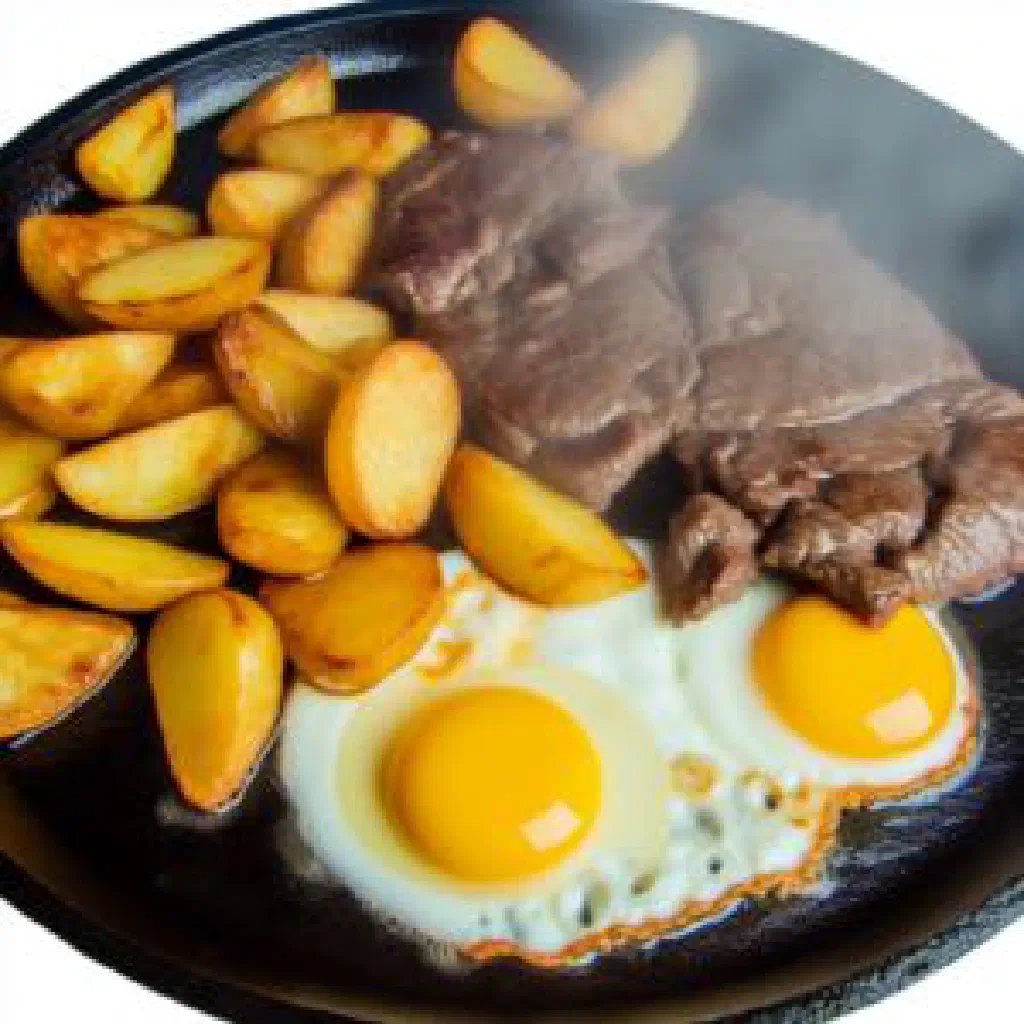
Khuitsaa is a traditional Mongolian stew that skilfully unites the flavours and ingredients of the steppe. At its core lies tender meat, fresh vegetables and a range of aromatic spices. The dish reflects the culture of Mongolia and is a symbol of the country’s famous hospitality. At sociable gatherings, khuitsaa is a firm favourite that appeals to guests and provides cosy warmth on the coldest of days.
Ingredients (serves 1–2)
- 300g beef or lamb, diced
- 2 medium potatoes, diced
- 1 carrot, sliced
- 1 onion, diced
- 2 garlic cloves, chopped
- 1 litre water or stock
- Salt and pepper, to taste
- Fresh herbs (such as parsley or dill)
Shopping for the ingredients
To make the perfect khuitsaa, it is worth choosing good-quality ingredients. Visit a local market or a trusted supermarket to find fresh meat and vegetables. Make sure the beef or lamb is tender and nicely marbled, as this makes a real difference to the flavour of the stew. The choice of fresh herbs matters too, lending the dish an aromatic freshness that lifts every spoonful.
Preparing the dish
Preparing khuitsaa is refreshingly simple and does not take much time. Begin by washing and cutting the vegetables and dicing the meat. A vegetarian or vegan version is just as easy to prepare. Simply swap the meat for tofu or use a good vegetable stock. Good preparation is the key to a tasty result, so give yourself enough time to get everything ready before you start cooking.
Step-by-step instructions
- Brown the meat in a large pot until it takes on a good colour.
- Add the onion and garlic and fry briefly until fragrant.
- Stir in the diced vegetables (the potatoes and carrots).
- Pour in the water or stock and bring to the boil.
- Simmer gently over low heat for about 1 to 1.5 hours, until the meat is tender.
- Season with salt, pepper and fresh herbs, then serve piping hot.
Gluten-free / lactose-free version
One of the great advantages of khuitsaa is that the recipe is naturally gluten-free and lactose-free. Do make sure, though, that any ready-made stock you use is also gluten-free. Fresh vegetables and the chosen meat contain no lactose, so you can cook to your heart’s content without a second thought. That makes the dish an excellent choice for anyone with a gluten intolerance or lactose sensitivity.
Tips for vegans and vegetarians
Khuitsaa adapts easily to plant-based diets. Simply replace the meat with plant-based alternatives such as seitan or lentils. It is also worth adding vegetables like courgette or beans to boost the dish’s nutritional value. The seasoning can be intensified in the vegan version too, to bring out the fullest flavour. With these tweaks you can enjoy a delicious khuitsaa that pleases vegans and vegetarians alike, much like a bowl of hearty Shorva.
More tips and tricks
A few simple touches can take your stew even further. Try adding different spices, such as paprika or cumin, to broaden the range of flavours. Marinating the meat before cooking is another way to deepen the taste, ingredients like soy sauce or olive oil work beautifully for making the aroma that bit more exciting.
Adapting the recipe to your taste
The flexibility of khuitsaa means you can adjust the recipe to suit your own preferences. Feel free to use extra kinds of vegetables or different cuts of meat to reach new flavours. Experiment by doubling or halving the quantities to shape the dish entirely to your liking. Done this way, it becomes a treat for meat lovers and vegetable lovers alike.
Ingredient substitutions
If some of the ingredients are not to your taste or hard to find, alternatives are easy to come by. Instead of beef or lamb, you could use chicken or fish for a different character. Vegetarians have the option of using quinoa or couscous as a base. By being creative with the ingredients, you can adapt the dish to whatever is available locally, the same spirit of improvisation you will find in a comforting Guriltai Shul.
Drink pairing ideas
To round off the khuitsaa experience, a number of drinks pair wonderfully with it. A dry red wine makes a lovely contrast to the hearty stew. Alternatively, alcohol-free options such as a refreshing ginger tea or sparkling water with a squeeze of lemon can be the perfect companions.
Serving and presentation ideas
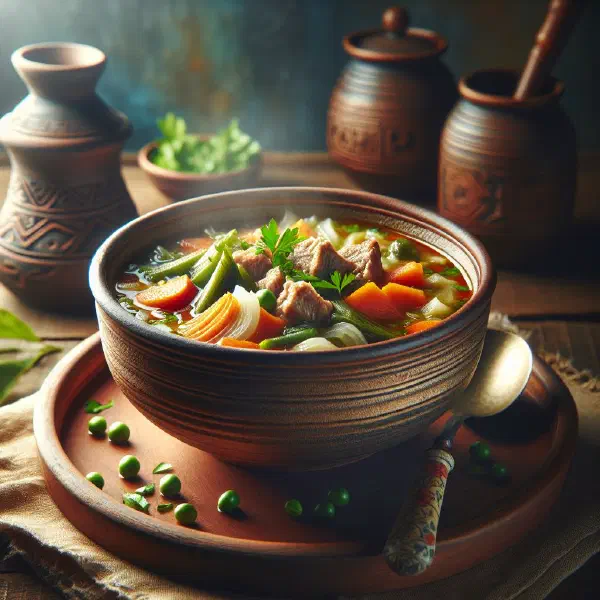
An attractive presentation can lift the enjoyment of the dish considerably. Serve khuitsaa in a handsome bowl, ideally with fresh bread or flatbread on the side. A garnish of fresh herbs underlines the flavour and brings a splash of colour, making the dish more inviting. We eat with our eyes first, so let your creativity run free when plating up.
A bit of history
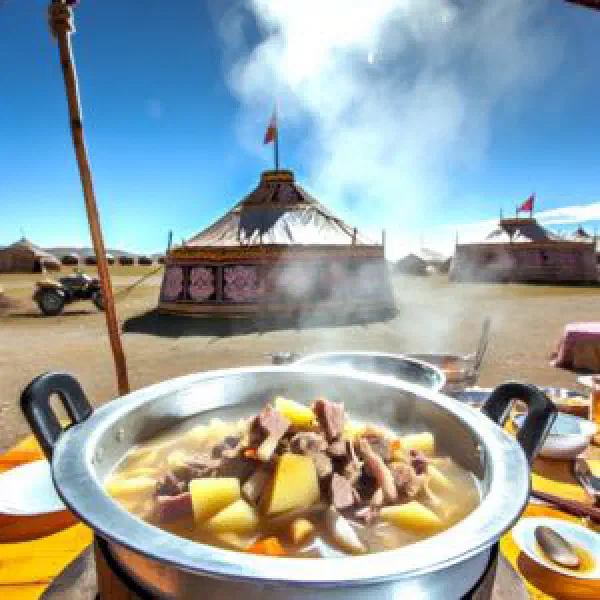
Khuitsaa has its roots in the nomadic culture of Mongolia, where cooking meat and vegetables together has been a tradition passed down over generations. It reflects the way of life of the nomadic herders, who rely on the animals and plants of the steppe. The simplicity and nourishing quality of the dish show just how well the people have adapted to the harsh conditions of the land. Today khuitsaa remains a beloved dish at festivals and among families keen to preserve their culinary traditions, a proud part of Mongolian cuisine.
More recipe ideas
Summary: Khuitsaa
Khuitsaa is a truly endearing one that captures the essence of Mongolian culture. Its combination of tender meat and fresh vegetables makes it an ideal stew for sociable gatherings or cold days at the table. The recipe’s flexibility and adaptability let everyone add their own personal touch. Let this delicious dish inspire you and experience a piece of Mongolian tradition for yourself.