National Dish Mongolia: Tsuivan (Recipe)
In this article
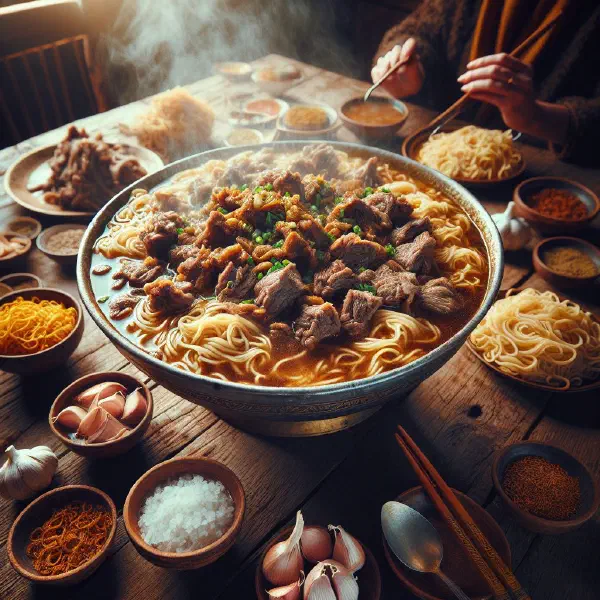
Discover Tsuivan, the hearty noodle dish at the heart of the Mongolian table. Tender strands of pasta mingle with succulent meat and a colourful handful of fresh vegetables to create a warming, satisfying meal. Traditionally served at celebrations and family gatherings, it captures the simple, honest cooking of Mongolia’s nomadic herders. Best of all, it is wonderfully easy to recreate in your own kitchen.
About Tsuivan
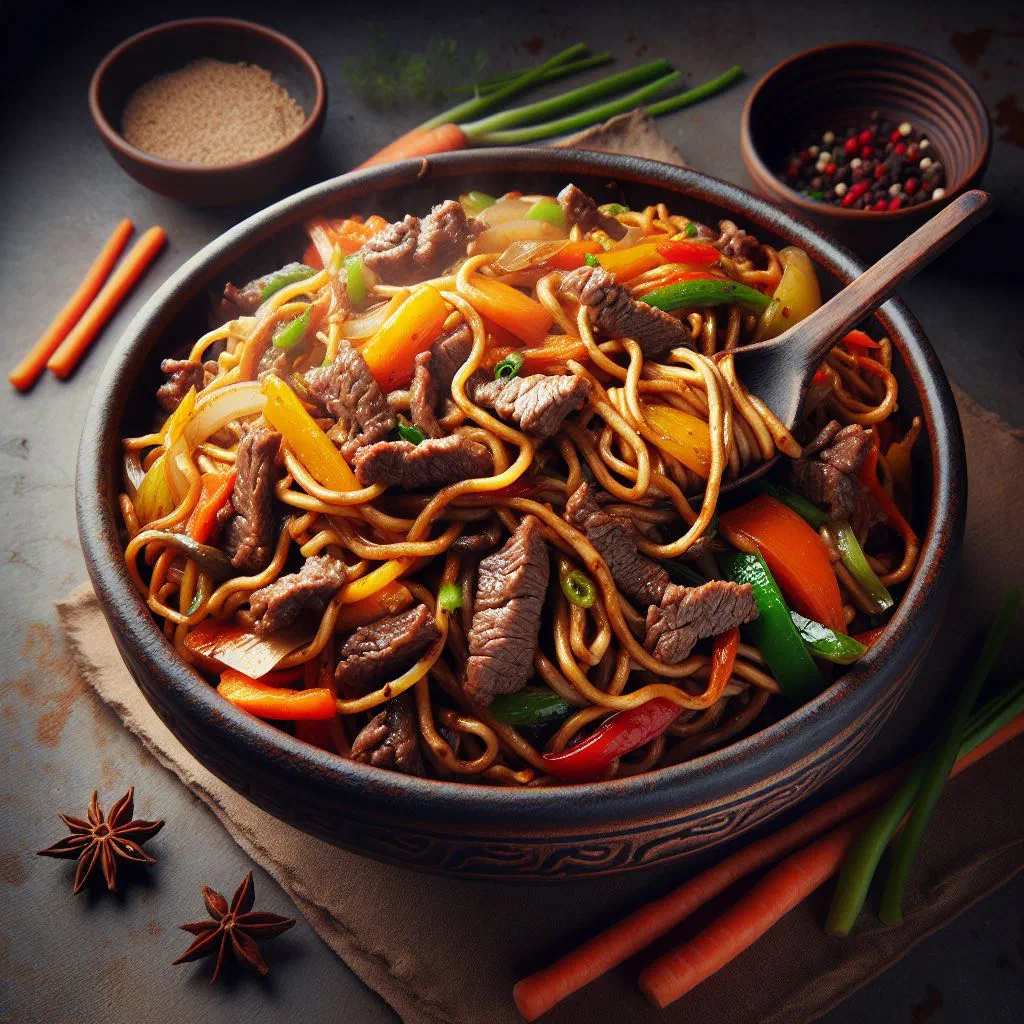
Tsuivan is a beloved noodle dish from Mongolia, served above all at special occasions and festive gatherings. This hearty one-pot combines tender noodles, succulent meat and a selection of fresh vegetables, with every element adding to its unmistakable depth of flavour. More than that, tsuivan reflects the nomadic way of life of the Mongolian people, whose cooking keeps ingredients fresh, wholesome and unfussy. The result is a comforting dish that feels both rustic and celebratory.
Ingredients (serves 1–2)
- 250 g wheat noodles
- 300 g beef or lamb, diced
- 1 onion, chopped
- 2 carrots, sliced
- 1 pepper, diced
- 2 tablespoons oil
- 1 litre water or vegetable stock
- Salt and pepper, to taste
- Fresh herbs, to garnish
Shopping for the ingredients
To make tsuivan you need only a handful of fresh ingredients, most of which are easy to find in a well-stocked supermarket or at a local market. Pay particular attention to the quality of the meat, as it has a decisive influence on the flavour of the finished dish. Where you can, reach for regional and seasonal produce to deepen the aroma and guarantee freshness. A little care at the shopping stage goes a long way towards an authentic result.
Preparing the dish
Before you start cooking tsuivan, it is worth getting all of your ingredients ready. Cut the meat into even cubes and chop the vegetables into neat, matching pieces. The onion can be diced finely so its flavour comes through fully in the pan. If you are not making the noodles yourself, cook them ahead of time according to the packet instructions until they are just al dente.
Step-by-step instructions
- Heat the oil in a large pot or pan over medium heat.
- Add the onions and fry until translucent.
- Add the diced meat and brown it well on all sides.
- Stir in the carrots and pepper and fry the vegetables for a few minutes.
- Pour over the water or stock and leave everything to simmer for about 30 minutes.
- Add the pre-cooked noodles and stir well to combine.
- Season with salt and pepper and simmer for a further 10 minutes.
- Garnish with fresh herbs and serve.
Gluten-free / lactose-free version
If you would like a gluten-free version of tsuivan, simply use gluten-free noodles, which are now widely available and offer a texture very close to conventional pasta. Be sure that the meat and vegetables you choose contain no hidden sources of gluten. The dish is naturally free from dairy, so a lactose-free version needs no special adjustment at all and remains every bit as flavourful.
Tips for vegans and vegetarians
Vegans and vegetarians can adapt tsuivan with ease by swapping the meat for plant-based proteins such as tofu, tempeh or seitan. These alternatives bring a protein-rich, satisfyingly savoury element to the dish. You might also add vegetables like broccoli, courgette or aubergine for extra texture and taste. A splash of soy sauce or a good vegetable stock helps build a deeper, more rounded flavour.
More tips and tricks
To intensify the flavour of tsuivan even further, add spices such as cumin or paprika while browning the meat. These seasonings harmonise beautifully with the other ingredients and lend the dish a little colour. Take care not to overcook the vegetables so they keep a pleasant bite. A squeeze of lemon juice just before serving rounds everything off and adds a welcome touch of freshness.
Adapting the recipe to your taste
Tsuivan is an extremely flexible dish that adjusts easily to personal preference. You can vary the amount of meat or vegetables, or even try different kinds altogether. Consider using seasonal ingredients to tweak the recipe and create versions that you and your family will love. Depending on your taste, different types of noodle can be used too, opening up a whole new flavour experience each time.
Ingredient substitutions
If you do not have certain ingredients to hand, there are plenty of alternatives to fall back on. In place of the noodles you could use rice or another grain such as quinoa. Instead of beef or lamb, chicken or fish make a lighter version of the dish, much like the delicate strands in Mung Bean Noodles. Experiment with different vegetables to keep the dish varied and interesting.
Drink pairing ideas
A hearty dish like tsuivan sits happily alongside a range of drinks that complement its flavour. A cooling option such as a light beer or a fruity white wine rounds off the stew nicely. For alcohol-free alternatives, a minty iced tea or a sparkling mineral water with a squeeze of lemon works well. For something in keeping with the region, a cup of Suutei Tsai makes a warming accompaniment.
Serving and presentation ideas
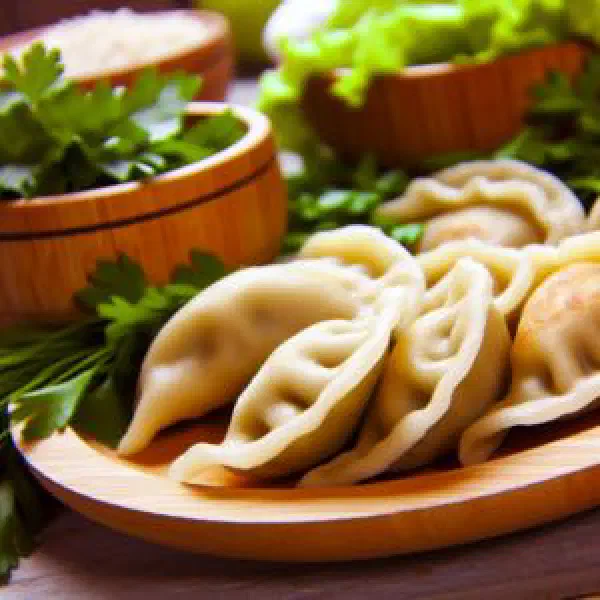
The presentation of tsuivan can be lifted with a few simple touches. Serve the dish in a large, rustic bowl to bring out its traditional character. Scatter over fresh herbs such as parsley or coriander to add colour and freshness. A neatly laid table with matching crockery creates an inviting atmosphere and turns the meal into a special occasion. Perfect served after a plate of steamed Buuz.
A bit of history
Tsuivan has a long tradition and forms an important part of Mongolian food culture. The origins of the dish reach back to the nomadic way of life, where cooking over an open fire played a central role. The pairing of noodles with fresh ingredients reflects the Mongolian preference for simple yet flavourful food, an approach that also shines through in the country’s hearty Khorkhog. Today tsuivan is enjoyed not only in Mongolia but in many other countries too, a proud ambassador of Mongolian cuisine.
More recipe ideas
Summary: Tsuivan
Tsuivan is a unique and flavourful dish that brings together meat, fresh vegetables and silky noodles. It is perfect for special occasions or simply for a hearty evening with family and friends. With the right ingredients and a little creativity, anyone can make this traditional Mongolian meal at home. Let the flavours of Mongolia win you over and enjoy every mouthful of tsuivan.