National Dish Montenegro: Kiflice sa Sirom (Recipe)
In this article
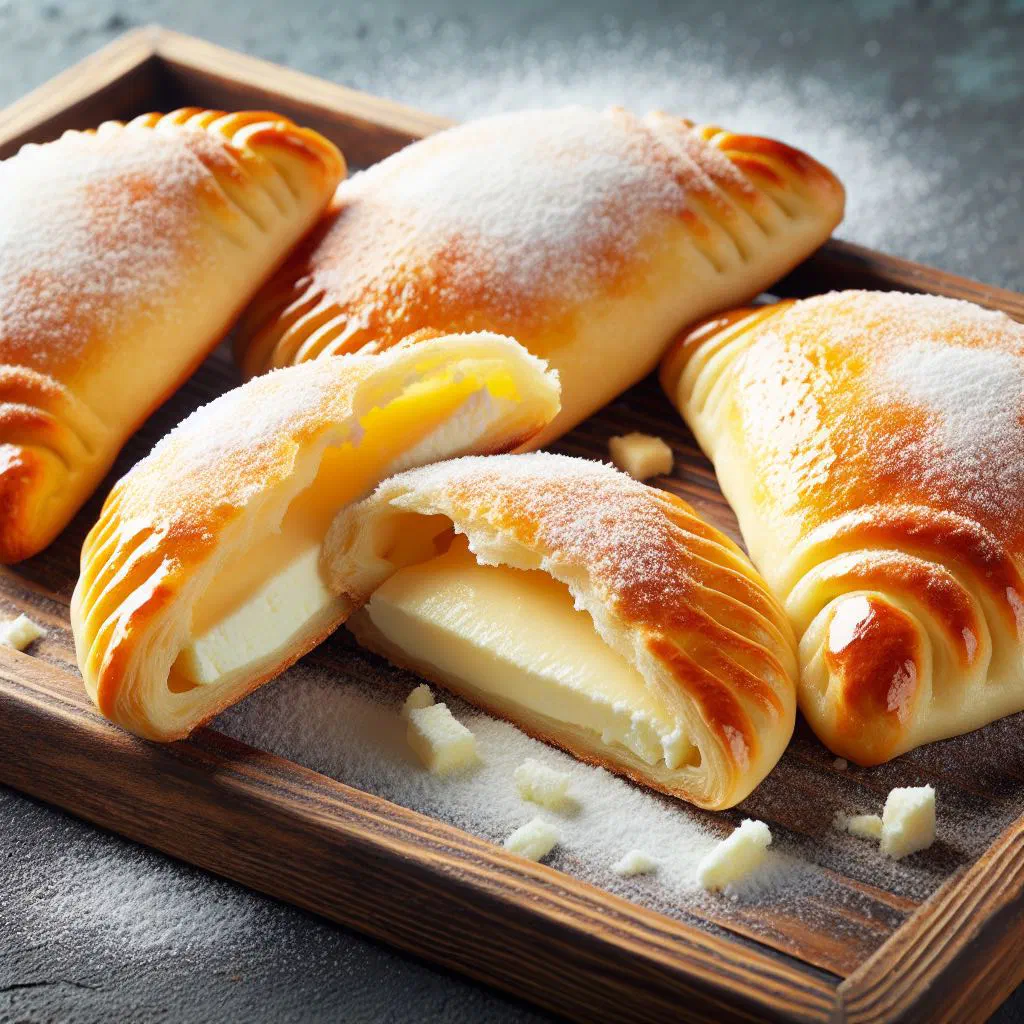
Meet Kiflice sa Sirom, the little cheese-filled crescent rolls that Montenegrins reach for at every kind of gathering. A tender, pliable dough wraps around a savoury, salty cheese filling, and the whole thing bakes to a burnished gold in barely twenty minutes. They turn up on festive tables and in lunchboxes alike, and they are every bit as good warm from the oven as they are cooled and packed for a picnic.
About Kiflice sa Sirom
Kiflice sa sirom are a wonderful example of the cultural flavours of Montenegro. These filled dough rolls win people over with their soft, tender pastry and a hearty, well-seasoned filling. In Montenegro they often appear as part of a festive spread, but they are just as popular as an everyday snack. They are straightforward to make and suit any occasion, whether as finger food at a party or as the centrepiece of a relaxed evening meal.
Ingredients (serves 1–2)
- 250 g plain flour
- 125 ml water
- 50 ml oil
- 200 g feta cheese (or another soft white cheese)
- 1 egg
- 1 teaspoon salt
- 1 teaspoon baking powder
Shopping for the ingredients
To make kiflice sa sirom you need fresh ingredients, all of which you will find in any reasonably well-stocked supermarket. It is worth visiting a market or a delicatessen for good-quality feta cheese, since the character of the filling decides the flavour of the finished rolls. Make sure your flour is fresh so the dough bakes up light, and choose oil and eggs from brands you trust for reliable results.
Preparing the dish
Preparation begins with the dough. Combine the dry ingredients in a bowl, the flour, the salt and the baking powder. In a separate bowl, mix the wet ingredients, the water and the oil, then add them along with the egg to the flour mixture. Knead the dough thoroughly so that it becomes smooth and elastic, which matters a great deal when you come to roll and fill it.
Step-by-step instructions
- Prepare the dough as described and leave it to rest.
- Crumble the feta cheese and mix it with the egg until you have a creamy filling.
- Roll the dough out thinly on a floured surface.
- Cut it into even triangles and place a little filling on each one.
- Roll the triangles up and arrange them on a baking tray lined with parchment.
- Bake in a preheated oven at 180 °C until golden brown.
Gluten-free / lactose-free version
If you would like a gluten-free or lactose-free take on kiflice sa sirom, a few simple swaps will get you there. For the dough, use a gluten-free flour blend in place of wheat flour, health-food shops and specialist grocers stock several good ones. For the filling, a lactose-free soft cheese works nicely, as do plant-based alternatives with a similar tang. Play with herbs and spices to deepen the flavour without relying on the traditional ingredients.
Tips for vegans and vegetarians
For a vegan version, simply replace the cheese with a plant-based alternative such as a vegan sheep’s-style cheese or a homemade nut filling. Instead of the egg in the dough, a mixture of water and ground linseed does an excellent job as a binder. You can also enrich the filling with vegetables such as spinach or mushrooms for extra flavour and nutrition, an approach that also underpins the classic Zeljanica. The result is colourful on the plate and genuinely nourishing.
More tips and tricks
The resting time is the key to the right texture, as it lets the gluten structure relax. Give the dough at least 30 minutes before you roll it out. When filling the kiflice, resist the urge to be generous, too much filling and the pastry may split open in the oven. A simple trick is to brush the edges lightly with water before folding, which gives you a much better seal.
Adapting the recipe to your taste
One of the great strengths of kiflice sa sirom is their versatility. The recipe adapts easily to your own palate through the filling. Try herbs such as dill or parsley for extra freshness, or add a pinch of nutmeg to bring the cheese forward. For something with more heat, stir chilli powder or cracked pepper into the mixture, perhaps alongside a spoonful of Ajvar. Every batch can be a little different.
Ingredient substitutions
If you have no wheat flour to hand, quinoa or almond flour will give you a gluten-free base. For the filling, cheeses other than feta work well, ricotta or mozzarella each pull the flavour in a different direction, and the local Njeguški Sir is the most authentic choice of all. Cottage cheese is worth considering as a lighter option. Small adjustments like these have a real effect on both taste and texture.
Drink pairing ideas
Kiflice sa sirom pair happily with all sorts of drinks. Lightly chilled mineral water is refreshing and lets the pastry speak for itself. Wine drinkers should reach for a dry white wine, which underlines the salty notes of the cheese. Fruity cocktails or a clear, well-chilled fruit juice also sit well with these filled rolls, rounding off the eating and turning a simple snack into something of an occasion.
Serving and presentation ideas
To show your kiflice off properly, arrange them on a handsome serving platter and scatter over some fresh herbs. A small bowl of dip, yoghurt, soured cream or a hot sauce, makes the perfect accompaniment. The contrast between the golden-baked rolls and bright green herbs gives the platter real visual appeal, so the dish is not only good to eat but a genuine centrepiece on the table.
A bit of history
Kiflice sa sirom have their roots in traditional Montenegrin cuisine, which draws heavily on both Mediterranean and Eastern European influences. These filled rolls often form part of a celebratory meal and appear at weddings and holidays alongside baked classics such as Pita sa Sirom. Making them is a long-standing tradition passed down through the generations, and they stand as a symbol of hospitality and of Montenegro’s cultural identity. The fillings vary from place to place, reflecting regional character.
More recipe ideas
Summary: Kiflice sa Sirom
Kiflice sa sirom are a delicious and adaptable bake that captures the essence of Montenegrin cooking. With their tender dough and savoury filling they work beautifully as a snack and equally well as a main course. Creative tweaks and different fillings make them easy to tailor to individual tastes. With a little practice you can turn these little rolls out with confidence and bring a piece of Montenegro into your own kitchen.