National Dish Montenegro: Krafne (Recipe)
In this article
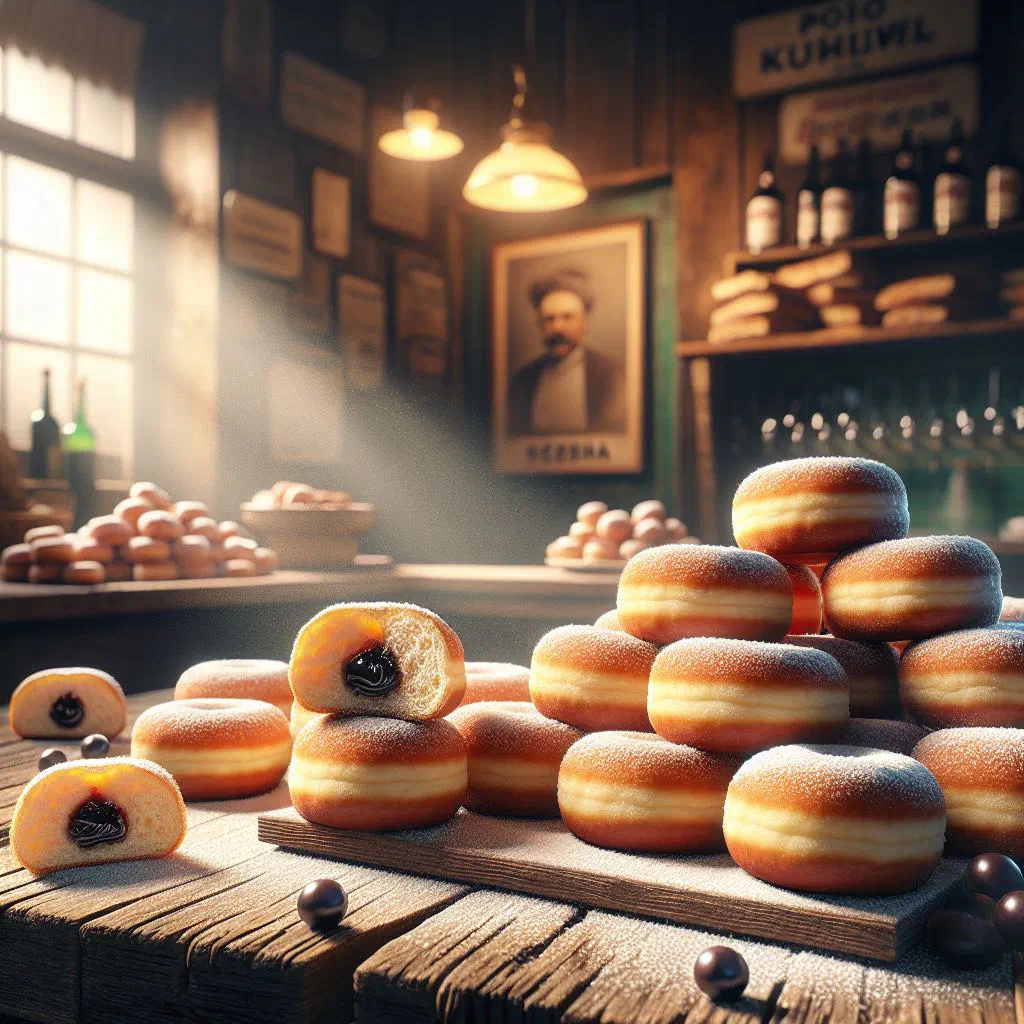
Discover Krafne, the pillowy filled doughnuts that Montenegrins reach for whenever coffee is on the table. Soft, golden and generously dusted with icing sugar, they hide a spoonful of jam or chocolate at their centre and disappear far faster than anyone expects. They belong to birthdays, holidays and lazy Sunday afternoons alike, and they are far easier to make at home than their bakery-window looks suggest.
About Krafne
Krafne are traditional filled doughnuts enjoyed across the Balkans and well beyond. What sets them apart is their fluffy yeast dough and the sweet filling tucked inside, which comes in countless variations. Most often they are filled with jam or a smooth cream and finished with a snowfall of icing sugar. Far more than an everyday snack, they are a fixture at celebrations and special occasions, appearing on the table whenever there is something worth marking.
Ingredients (serves 1–2)
- 200 g plain flour
- 50 g sugar
- 1 sachet dried yeast
- 1 egg
- 100 ml milk
- 30 g butter, melted
- 1 pinch of salt
- Filling of your choice (jam or chocolate spread, for example)
- Icing sugar, for dusting
- Oil, for deep-frying
Shopping for the ingredients
When shopping for the ingredients for krafne, freshness makes all the difference. Choose a flour that sieves cleanly, since this is decisive for the texture of the dough. The yeast should be fresh too, so the dough rises properly and the doughnuts turn out light. If you have a particular filling in mind, specialist food shops and online retailers are the best places to look for good jams or chocolate creams, the same sort of quality preserves that make a Pita Od Bundeve worth baking.
Preparing the dish
Preparing krafne takes a little time, as the dough needs to prove properly. Begin by measuring out all the ingredients and setting them within reach. Mix the dry ingredients separately from the wet ones so the dough comes together with an even consistency. While it rises, you can get the filling ready and lay out everything you will need for deep-frying, a slotted spoon, kitchen paper and a deep, heavy pan.
Step-by-step instructions
- In a bowl, mix the flour, sugar, dried yeast and salt thoroughly.
- In a separate bowl, whisk together the egg, milk and melted butter.
- Add the wet ingredients to the dry ones and knead everything into a smooth dough.
- Cover the dough and leave it in a warm place for about 1 hour, until doubled in volume.
- Roll the risen dough out on a floured surface and cut out small circles.
- Place a spoonful of filling in the middle of each circle and seal the edges firmly.
- Heat the oil in a large pan and fry the krafne in batches until golden brown.
- Drain the finished krafne on kitchen paper and dust with icing sugar.
Gluten-free / lactose-free version
For a gluten-free version, simply swap in a gluten-free flour blend. Do check that the other ingredients, including the filling and the frying oil, are gluten-free as well. For a lactose-free result, use lactose-free milk and a plant-based alternative to the butter. The krafne turn out every bit as delicious and become suitable for anyone with an intolerance.
Tips for vegans and vegetarians
Vegans can make krafne by replacing the egg with an egg substitute such as apple purée or ground linseed. Instead of dairy milk, simply use a plant-based alternative like almond or oat milk. The filling adapts just as easily, choose a fruit jam or a vegan chocolate spread. These small swaps make krafne accessible to every kind of diet without losing anything in flavour.
More tips and tricks
The most important tip for frying is not to let the oil get too hot, or the krafne will scorch before the centre cooks through. Test the temperature by dropping in a small piece of dough: when it rises to the surface, the oil is ready. For a particularly crisp finish, roll the krafne in caster sugar straight after frying and press gently. Trying different fillings is the easiest way to vary the flavour from one batch to the next.
Adapting the recipe to your taste
The krafne recipe is remarkably adaptable. Vary the filling to suit the season, soft summer fruit or chopped nuts both work beautifully. The dough itself takes well to flavouring, and a little vanilla or cinnamon gives it a distinctive character. If chocolate is the preference in your household, fold chocolate chips into the filling or dip the finished doughnuts in melted chocolate, much as you might with Priganice.
Ingredient substitutions
If you would rather avoid gluten, gluten-free flour is a practical and perfectly tasty alternative. Plant-based spreads stand in reliably for butter and let you prepare the krafne in vegan form. Substitutions like these mean you can match the recipe to your own eating habits without compromising the result. Chocolate and fruit fillings can equally be replaced with homemade spreads, giving you complete control over how sweet, and how personal, your krafne turn out.
Drink pairing ideas
A wide range of drinks suits krafne and brings out their sweetness. A cup of strong coffee or an espresso provides the perfect counterweight and lifts the aromas of the dough. Fruit teas are another good choice, offering something lighter and more refreshing. For a special occasion, a glass of sparkling wine or a good fruit juice rounds off the experience nicely.
Serving and presentation ideas
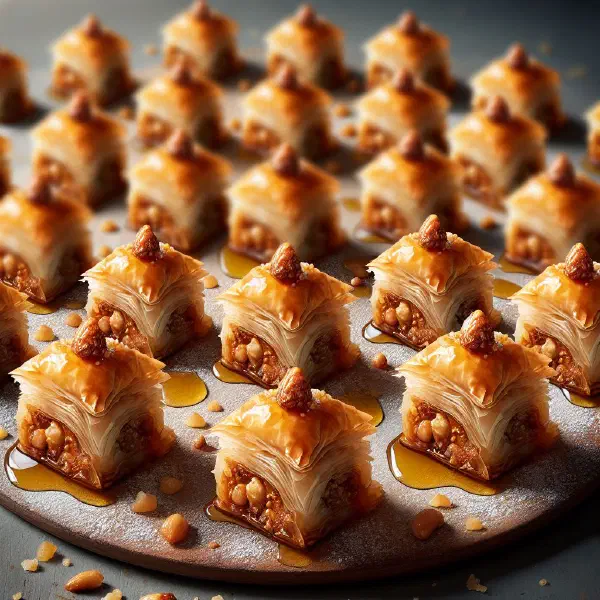
Thoughtful presentation noticeably improves the whole krafne experience. Serve them freshly made on an attractively laid plate, stacked high or arranged in a shallow bowl. A light dusting of icing sugar is all it takes to make them look the part. Add pieces of fresh fruit or a few edible flowers to create a festive spread that will impress your guests, the same generous approach that suits a platter of Baklava.
A bit of history
Krafne have a history reaching back to the 19th century, when they first became popular across the Balkans. Similar variations exist in many neighbouring cultures, usually prepared for festive occasions. The name itself derives from the German word Krapfen, a sign of just how widely this sweet travelled. Over time the recipes evolved and adapted, and today krafne are a firm fixture of Montenegrin cuisine and many kitchens beyond it.
More recipe ideas
Summary: Krafne
In short, krafne are a delicious dessert and a wonderful example of traditional cooking that has outlasted generations. Their versatility means you can adapt them entirely to your own taste, whether through the choice of filling or a tweak to the ingredients. Krafne are always a pleasure. Give this recipe a go and discover your own version of these very good doughnuts.