National Dish Montenegro: Njeguški Sir (Recipe)
In this article
Discover Njeguški Sir, the pride of Montenegro’s mountain kitchens. This aged sheep’s cheese from the village of Njeguši carries the scent of wild herbs and the salt of the Adriatic breeze in every bite. Served simply with good olive oil, garlic and crusty bread, it turns a handful of ingredients into something memorable. Bring a taste of the Montenegrin highlands straight to your own table.
About Njeguški Sir
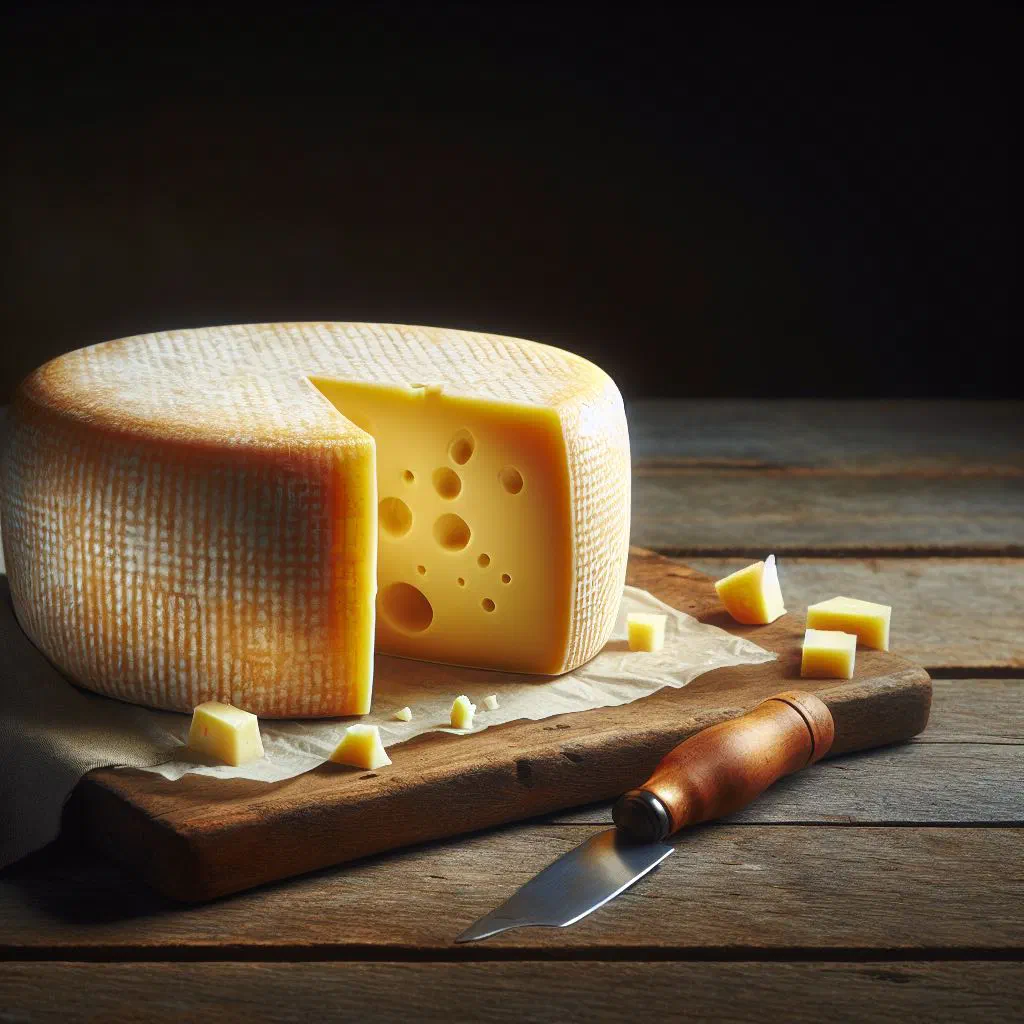
Njeguški Sir is a traditional Montenegrin sheep’s cheese that wins people over with its layered aromas and its careful, hand-crafted production. Made in the picturesque region of Njeguši, it is an indispensable part of Montenegrin cooking and culture. Its distinctive taste comes from the regional herbs the sheep graze on and from a special maturing process, which is exactly what makes it so sought after. Whether as a snack, in salads or as part of a rustic cheese board, Njeguški Sir is a genuine delicacy.
Ingredients (serves 1–2)
- 200 g Njeguški sir
- 1 tablespoon olive oil
- Fresh herbs (rosemary, thyme)
- 1 garlic clove
- Salt and pepper to taste
- Fresh bread
Shopping for the ingredients
To get the full flavour of Njeguški Sir, it is worth choosing fresh, high-quality ingredients. Buy the cheese from a specialist shop or a local market where traditional Montenegrin products are sold. Look for a well-matured piece so the characteristic aromas have had time to develop. The herbs should be fresh too, since this makes a noticeable difference to the finished dish, the same rule that applies when you cure or serve Njeguski Prsut, the region’s famous ham.
Preparing the dish
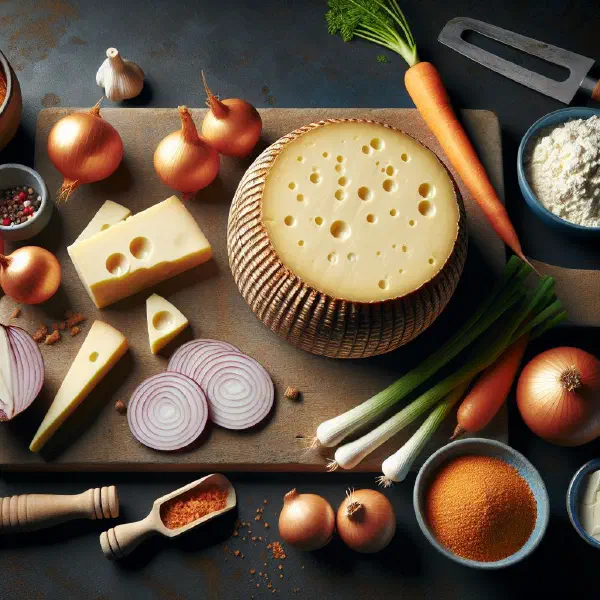
Before you start, lay out all your ingredients. Cut the Njeguški sir into small pieces or slices, depending on how you plan to serve it. Get the fresh bread ready and consider making a quick dip with olive oil and chopped herbs. The combination of the savoury cheese and the fragrant herbs is what gives this simple plate its special character.
Step-by-step instructions
- Cut the Njeguški sir into bite-sized pieces and arrange them on a large serving plate.
- Lightly crush the garlic clove and drizzle it, together with the olive oil, over the cheese.
- Scatter the fresh herbs over the top and season with salt and pepper.
- Slice the freshly baked bread and serve it alongside the cheese.
Gluten-free / lactose-free version
Njeguški Sir is naturally gluten-free, as the cheese is made from sheep’s milk and needs no gluten-containing ingredients. If you want the whole plate to be gluten-free, simply choose a gluten-free loaf or serve the cheese with raw vegetables and other sides instead of bread. Aged sheep’s cheese is also very low in lactose, so many people who avoid cow’s milk tolerate it well, meaning almost everyone can enjoy this delicious cheese.
Tips for vegans and vegetarians
For vegan cooks, Njeguški Sir presents a challenge, since it is based on sheep’s milk. One way to keep the spirit of the dish is to use a good plant-based cheese with a similar taste and texture. Combine it with the same herbs and olive oil and you can create an aromatic plate that echoes the original. Vegetarians should check that the cheese they buy is made with a non-animal rennet, as traditional versions usually are not.
More tips and tricks
To get the most out of your Njeguški Sir, experiment with different sides and herb combinations. Try out which aromas harmonise best and do not be afraid to develop your own variations. A marinade of olive oil, lemon juice and fresh herbs adds an extra layer of depth, while toasted nuts or dried fruit bring an interesting contrast in texture. A spoonful of Ajvar on the side is another classic pairing.
Adapting the recipe to your taste
Everyone has different preferences when it comes to flavour and texture. You can adjust the ingredients around the Njeguški Sir to build a plate that suits you exactly. Instead of plain olive oil, for instance, try an infused oil to give the dish another dimension. Adding sides such as olives, roasted vegetables or other cheeses opens up a whole range of possibilities. You might even serve it warm, stirred through Polenta Sa Sirom.
Ingredient substitutions
If you have trouble finding Njeguški Sir, there are several alternatives worth trying. Cheeses with similar properties include feta and pecorino. Both offer an intense flavour and are versatile in the kitchen. While they cannot quite match the distinctive character of the original, they still bring plenty of variety to your plate.
Drink pairing ideas
To bring out the best in Njeguški Sir, give some thought to the drink you serve alongside it. A Montenegrin Vranac, the country’s signature red, pairs beautifully with the cheese’s savoury depth, while a crisp white works well on a warm evening. For an alcohol-free option, sparkling lemonade or mineral water with lemon does the job nicely. As a rule, choose something that complements the rich aromas of the cheese without masking them.
Serving and presentation ideas
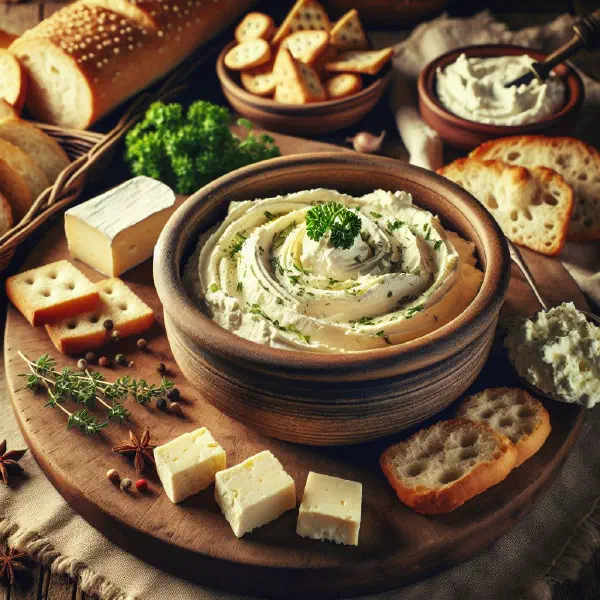
How you present your Njeguški Sir matters as much as how it tastes. Arrange the cheese attractively on a rustic wooden board and add sides such as nuts, dried fruit or fresh vegetables. A scattering of fresh herbs finishes the picture. Good presentation whets the appetite and makes an attractive centrepiece for your guests, especially next to a warm Pogaca fresh from the oven.
A bit of history
Njeguški Sir has a long tradition closely bound up with the culture of Montenegro. The Njeguši region is known for its remarkable landscape and its old techniques of cheese-making, passed down from one generation to the next until they became a meaningful part of Montenegrin identity. The combination of first-rate sheep’s milk and genuine craftsmanship has made this cheese a national delicacy and a cornerstone of Montenegrin cuisine.
More recipe ideas
Summary: Njeguški Sir
Njeguški Sir is more than just a cheese. It is a piece of Montenegrin culture. With its remarkable range of aromas and its usefulness across all kinds of dishes, it remains a fixture of the region’s cooking. In salads, on a cheese board or simply as a snack, it enriches everything it touches and offers a flavour experience not to be missed. Bring the tradition and the atmosphere of Montenegro straight into your own kitchen.