National Dish Montenegro: Poppy Seed Strudel (Recipe)
In this article
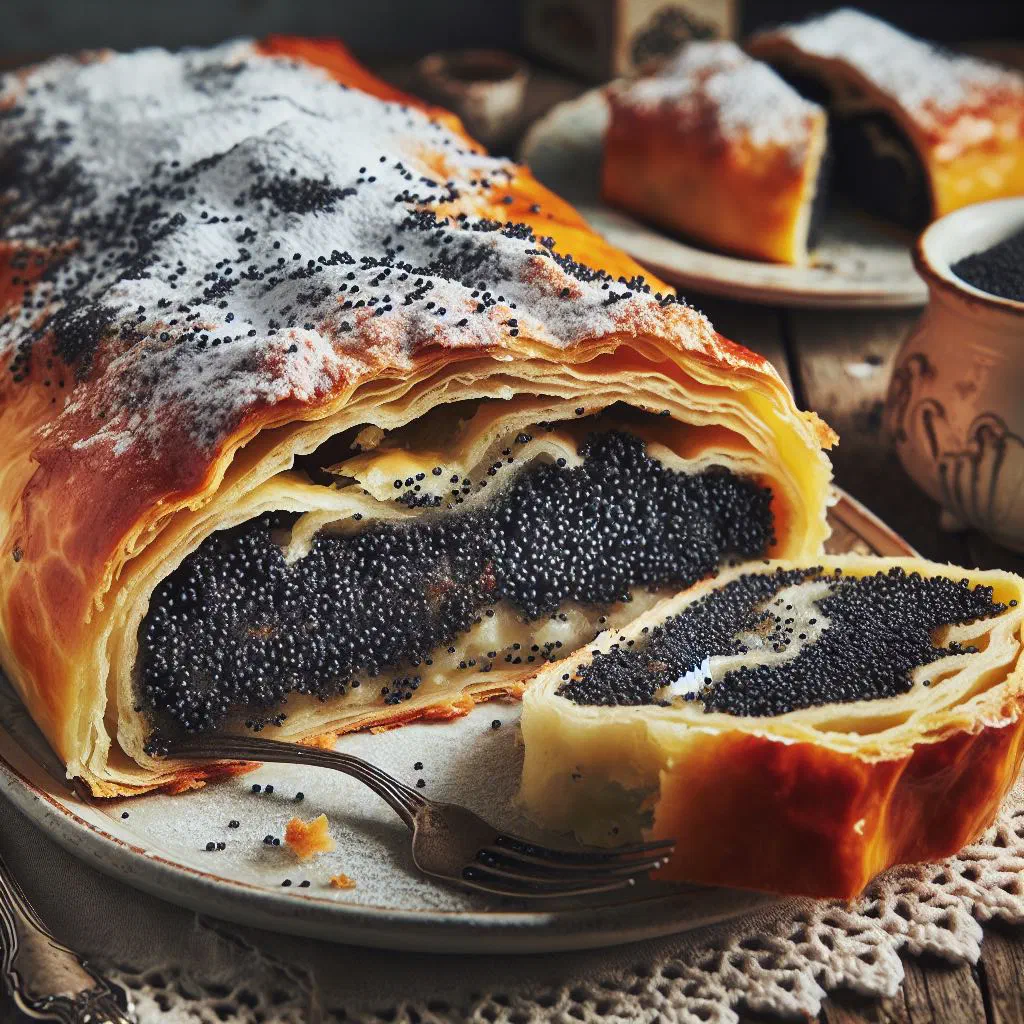
Few Montenegrin sweets say “celebration” quite like a warm poppy seed strudel fresh from the oven. Wafer-thin pastry is wrapped around a dark, fragrant filling of ground poppy seeds, sugar and a whisper of cinnamon, then baked until golden and crisp at the edges. It is the sort of bake that fills the whole house with its scent long before anyone sits down to eat. Serve it at a family gathering or simply with an afternoon coffee, either way, it disappears fast.
About Poppy Seed Strudel
Štrudla sa makom, or poppy seed strudel, is a much-loved Montenegrin dessert known for its delicate pastry and its deeply aromatic filling. It is a natural fit for festive occasions, yet plain enough to bake on an ordinary afternoon as a sweet snack. The combination of freshly ground poppy seeds, sugar and a pinch of cinnamon turns every bite into something genuinely memorable. The history of the dish stretches back a long way and reflects the many culinary influences that have passed through the region.
Ingredients (serves 1–2)
- 200 g plain flour
- 100 ml water
- 1 tablespoon oil
- 150 g poppy seeds
- 100 g sugar
- 1 teaspoon ground cinnamon
- A pinch of salt
Shopping for the ingredients
For a good poppy seed strudel it pays to choose fresh, high-quality ingredients. Head to a local market or a well-stocked supermarket to be sure the poppy seeds are fresh and the flour has the right texture. Where you can, reach for organic products. They make a noticeable difference to the flavour. It is also worth buying everything a day ahead so you are not rushing about while the oven heats up. Balkan bakes such as Krafne call for much the same pantry staples.
Preparing the dish
Getting Štrudla sa makom right depends on thorough preparation. Begin by grinding the poppy seeds in a food processor or a dedicated poppy seed mill so they release their full aroma. Combine the flour, water, oil and a pinch of salt in a bowl and work it into a dough. Then let the dough rest for around 30 minutes so it becomes supple and far easier to roll out thinly.
Step-by-step instructions
- Mix the flour, water, oil and salt in a bowl and knead until you have a smooth dough.
- Wrap the dough in cling film and leave it to rest for 30 minutes.
- Meanwhile, combine the poppy seeds with the sugar and cinnamon in a separate bowl.
- Roll the dough out thinly on a floured surface.
- Spread the poppy seed mixture evenly over the dough.
- Roll the dough up carefully and seal the ends well.
- Place the strudel on a baking tray lined with baking paper and bake at 180°C for about 30 minutes.
- Leave to cool before serving and dust with icing sugar if you like.
Gluten-free / lactose-free version
Poppy seed strudel adapts easily to gluten-free and lactose-free diets. Use a gluten-free flour blend so anyone with a gluten intolerance can enjoy the dessert too. In place of regular milk or butter, plant-based alternatives such as oat milk or vegan margarine work perfectly well. Do check that every other ingredient is certified gluten-free as well, so the finished bake is safe from end to end.
Tips for vegans and vegetarians
For a vegan version of the strudel you need only plant-based swaps for the traditional ingredients. Since this particular recipe uses no eggs at all, you can simply keep the ingredient list exactly as it stands. You might also replace the sugar with agave syrup or coconut blossom sugar for a gentler sweetness. The result is a thoroughly satisfying dessert with no animal products whatsoever, much like the fried dough treats known as Priganice.
More tips and tricks
A few small touches make poppy seed strudel even better. Stir chopped nuts through the filling for extra crunch, or experiment with additional spices such as nutmeg or vanilla. Serving it with a chocolate sauce or a handful of fresh fruit rounds out the flavours beautifully. Let your imagination lead and shape the recipe around your own preferences.
Adapting the recipe to your taste
This recipe is remarkably flexible and takes well to adjustment. If you prefer things less sweet, cut back on the sugar or swap it for honey for a more natural sweetness. Turning the strudel gluten-free is simply a matter of choosing the right flours. Bear in mind that any change to the ingredients can shift the baking time, so keep a close eye on the oven.
Ingredient substitutions
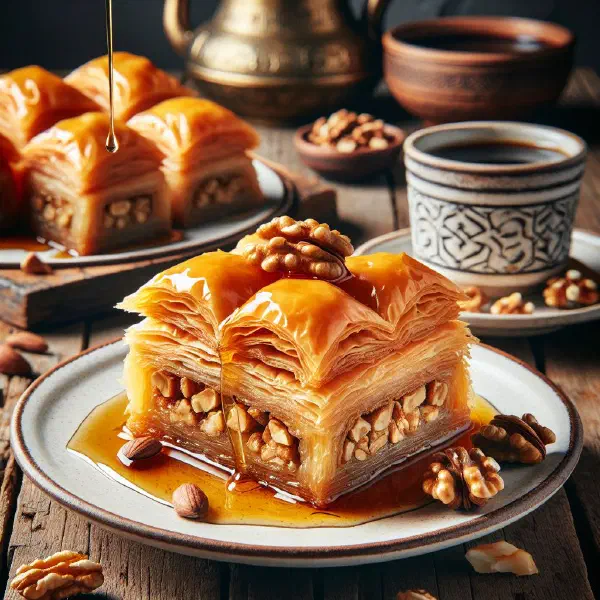
If you find yourself short of an ingredient, there are plenty of alternatives to hand. The sugar can give way to honey or agave syrup, while the flour can be replaced with almond or coconut flour. For a different flavour altogether, use ground walnuts in place of the poppy seeds, a filling that also appears in Baklava Sa Orasima. Swaps like these open up interesting new takes on the classic.
Drink pairing ideas
A few drinks suit poppy seed strudel especially well. A freshly brewed coffee works wonderfully against the sweetness of the pastry and brings out the aromas in the filling. Herbal teas such as chamomile or mint make a gentler, more soothing companion. And for a festive note, a fruity red wine can be a surprisingly good match.
Serving and presentation ideas
How you present the strudel makes a real difference to the pleasure of eating it. Serve the slices on an elegant plate, dusted with icing sugar or scattered with fresh berries. A small spoonful of whipped cream or a scoop of vanilla ice cream alongside lifts the dessert further still. Be playful with the plating. It is the finishing touch on your work.
A bit of history
Štrudla sa makom has its roots in traditional Montenegrin and wider Balkan cooking, and it is most often baked for festive occasions. The use of poppy seeds in the kitchen goes back to old traditions found across many cultures. The strudel is not merely a delicious dessert but a symbol of togetherness, brought out whenever family gathers. It carries the flavours and aromas that define Montenegrin cuisine, alongside sweets such as Krempita.
More recipe ideas
Summary: Poppy Seed Strudel
Baking Štrudla sa makom is a lovely way into the sweeter side of Montenegrin cooking. The method is straightforward, and a handful of good tips is all it takes to produce something genuinely authentic. With a few creative adjustments and clever substitutions you can shape the strudel entirely around your own taste. Give it a go and bring a touch of the Balkans into your kitchen.