National Dish Montenegro: Sarma (Recipe)
In this article
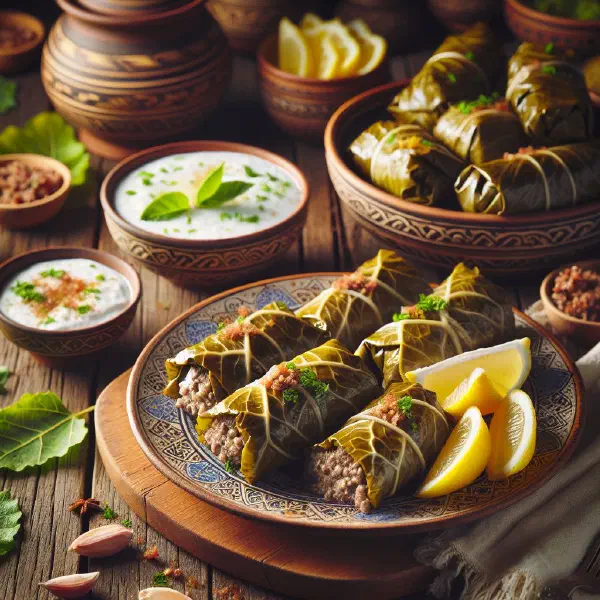
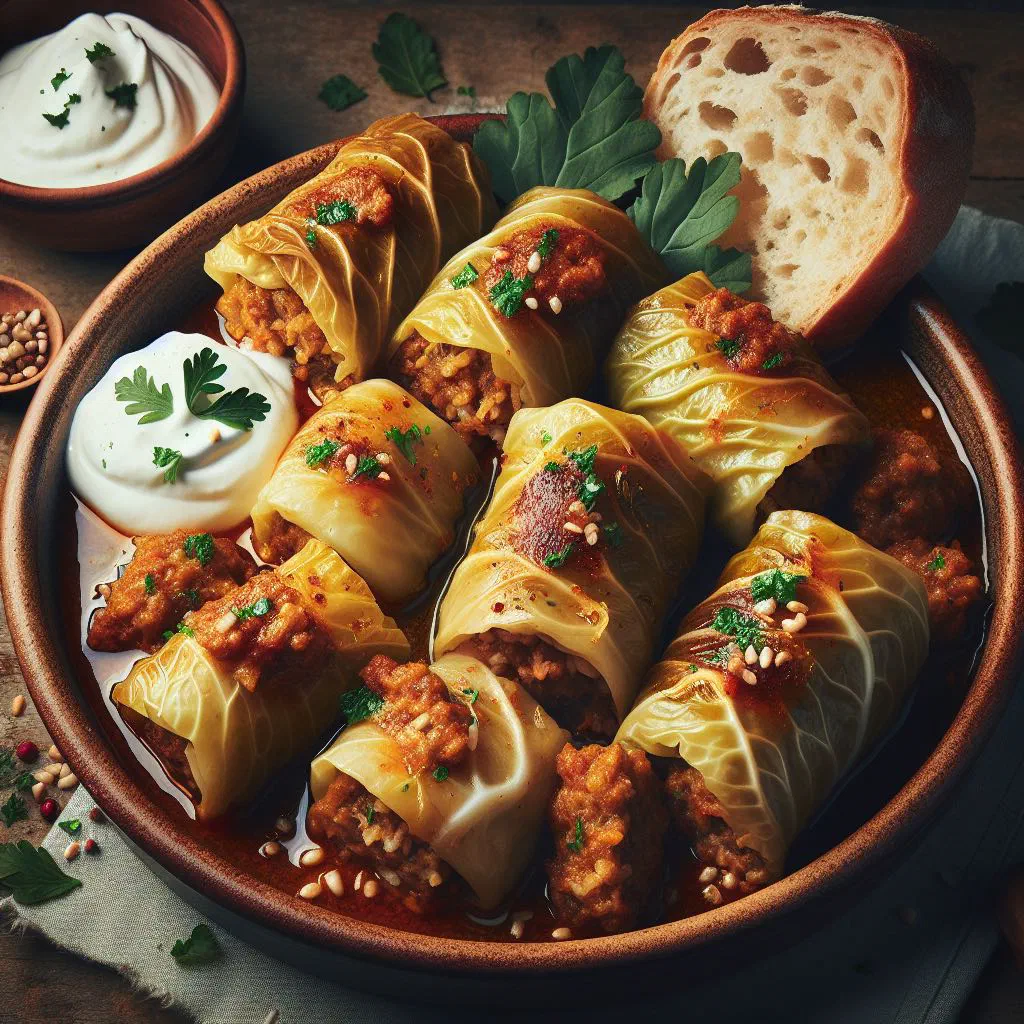
Few dishes say celebration in Montenegro quite like Sarma. Tightly rolled parcels of tangy sauerkraut leaves are packed with seasoned meat and rice, then left to simmer gently until every layer turns meltingly tender. It is the sort of slow, generous cooking that fills a house with warm aromas long before anyone sits down to eat. Each bite carries a story handed down through the generations.
About Sarma
Sarma is a traditional dish from Montenegro, brought out for family celebrations and special occasions. It consists of stuffed sauerkraut leaves, with a filling built around tender meat and a carefully chosen mix of spices. Sarma gathers up the aromas and the culture of the region into a single, incomparable eating experience. Every mouthful tells a story passed on from one generation to the next.
Ingredients (serves 1–2)
- 200 g minced meat (beef or pork)
- 200 g sauerkraut
- 1 onion
- 1 cup rice
- 2 cloves garlic
- Salt and pepper to taste
- 1 teaspoon paprika
- Olive oil
- Water or stock for cooking
Shopping for the ingredients
To make the perfect sarma, choosing the freshest ingredients matters more than anything. Head to a local market, where you will find good sauerkraut and properly butchered meat. Make sure the minced meat is of decent quality, as it carries much of the flavour of the finished dish. Garlic and onions are just as important, since they underpin the aromatic character of sarma.
Preparing the dish
The prep work for sarma sets up everything that follows. Start by finely chopping the onions and garlic and frying them in a little olive oil until translucent. Add the minced meat next and brown it well. Once everything is nicely combined, stir in the rinsed rice to complete the filling.
Step-by-step instructions
- Fry the onions and garlic in olive oil until translucent.
- Add the minced meat and brown thoroughly until cooked through.
- Stir the prepared rice into the meat mixture and fry briefly.
- Season with salt, pepper and paprika, mixing well.
- Set a few sauerkraut leaves aside to cover the dish later.
- Roll the filling up inside the remaining sauerkraut leaves.
- Layer the finished rolls in a pot and pour over stock or water.
- Cover and simmer for 1–2 hours, until everything is tender.
Gluten-free / lactose-free version
For a gluten-free version of sarma, simply use certified gluten-free rice and check that your stock contains no wheat-based thickeners. It is also worth choosing minced meat that has not been extended with milk powder, should any dairy be involved. As a rule sarma contains no lactose at all, which makes it a natural fit for anyone who is lactose intolerant. That flexibility is part of why the dish suits so many different dietary needs.
Tips for vegans and vegetarians
Vegan or vegetarian versions of sarma come together easily by swapping the minced meat for plant-based alternatives such as lentils or tofu. Rice and vegetables also work beautifully as a filling and make for a tasty, nourishing option. Seasoned with the traditional spices, the authentic character of sarma survives intact even in the vegan version. It is a way of enjoying Montenegrin tradition without using any animal products, much as you might with a plate of Pecena Paprika.
More tips and tricks
A few small tricks go a long way when cooking sarma. Adding smoked meat or bacon to the filling, for instance, deepens the savoury flavour considerably. Browning the filling before rolling also brings extra seasoning into the parcels. Best of all, let the sarma rest for at least a day so the flavours have time to develop fully.
Adapting the recipe to your taste
The sarma recipe adapts readily to personal preference. Some like it hotter and add chilli powder or fresh chillies. Others prefer a milder result and leave the paprika out altogether. You can also drop herbs such as thyme or a bay leaf into the cooking liquid to round out the flavour. The dish becomes your own and suits every palate.
Ingredient substitutions
If you cannot find a particular ingredient, or simply fancy a change, there are plenty of alternatives. Instead of beef, try chicken or a plant protein. Where the sauerkraut is concerned, fresh cabbage works too, provided you bring the necessary acidity in yourself. The rice can also be replaced with quinoa for extra nutrients, a similar trick to the one that lifts a hearty Pasulj.
Drink pairing ideas
A dish as hearty as sarma sits well alongside a range of drinks. A well-chilled Grüner Veltliner or a light red wine makes an ideal companion to its flavours. A refreshing sparkling water with lemon or fresh herbs is another good choice that supports the combination on the plate. For alcohol-free pairings, a fruity juice or a herbal tea that cleanses the palate works nicely too.
Serving and presentation ideas
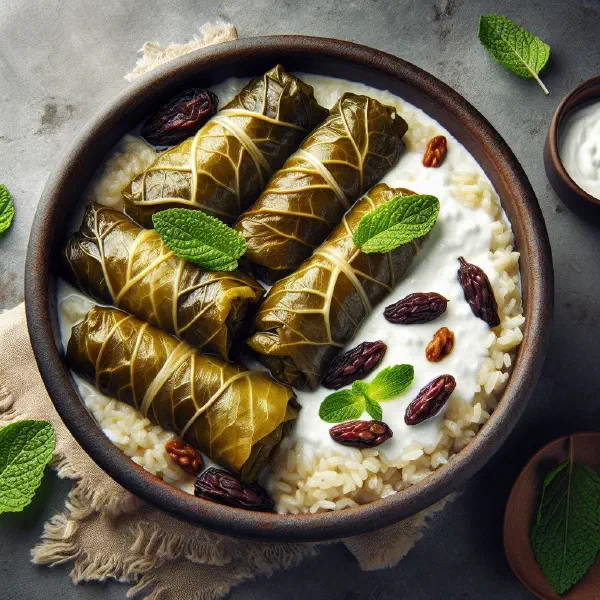
Presentation plays a real part in the whole sarma experience. Serve the dish in a handsome, generous bowl garnished with fresh herbs. A spoonful of soured cream or a yoghurt-style sauce alongside lifts the look as well as the taste. Arrange the rolls evenly so the plate makes an inviting picture and builds anticipation before the first bite, the same care you would give a platter of Meso Sa Rostilja.
A bit of history
Sarma has a long and fascinating history reaching far back into the Slavic and Ottoman culinary traditions of the Balkans. How it is made has been shaped strongly by the climate and farming conditions of Montenegro. For many years it was valued as a simple, nourishing dish that could feed a large family well. The tradition of making sarma continues in Montenegrin households today and remains a fixture of Montenegrin cuisine.
More recipe ideas
Summary: Sarma
In short, sarma is a versatile and deeply flavoursome dish that appeals to the palate while representing a rich culture. The combination of tender meat, aromatic spices and the savoury tang of sauerkraut makes it a highlight of the Montenegrin table. Whether for a special occasion or a relaxed family dinner, sarma is always a good call. Let its distinctive depth of flavour win you over and enjoy this traditional classic.