National Dish Montenegro: Walnut Baklava (Recipe)
In this article
Few sweets say celebration quite like Walnut Baklava, the golden, syrup-soaked pastry that crowns festive tables across Montenegro. Wafer-thin layers of pastry are packed with fragrant walnuts and a whisper of cinnamon, then baked until crisp and drenched in a warm honey syrup. It looks impressive, tastes even better, and is far more achievable at home than its glossy appearance suggests. Put the kettle on and let a slice of Balkan hospitality find its way onto your plate.
About Walnut Baklava
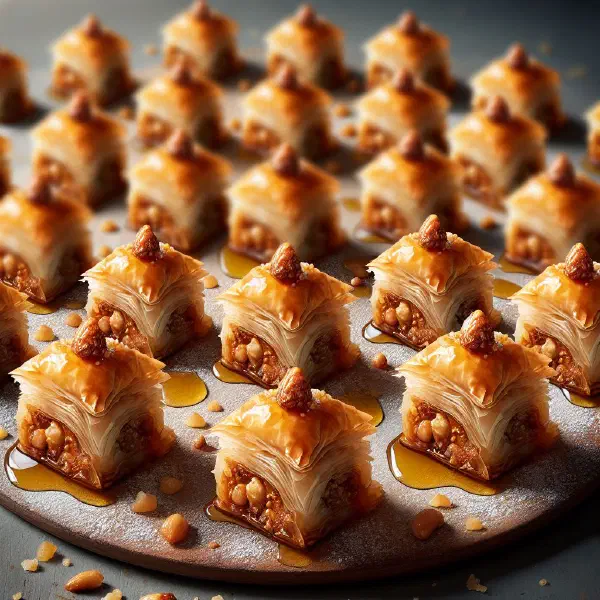
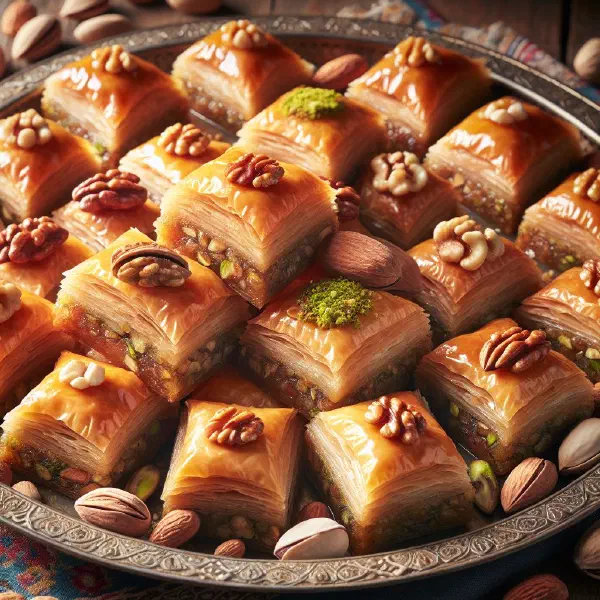
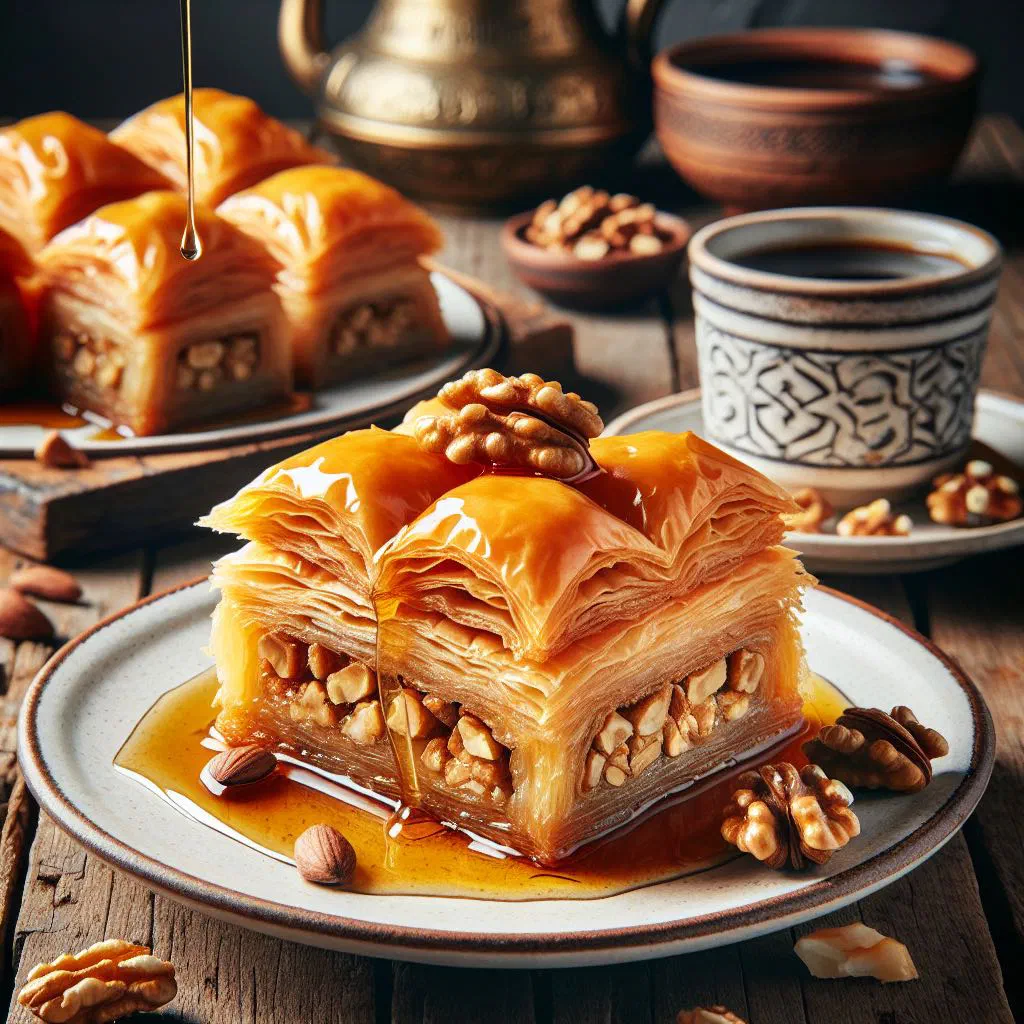
Walnut Baklava, baklava sa orasima, is a traditional national dish of Montenegro built from layer upon layer of thin pastry, filled with aromatic walnuts and a hint of cinnamon. It is a treat for the palate and a genuine centrepiece on any festive table. Families prepare it for special occasions, when there are guests to spoil and hours to linger over coffee. The contrast between the crisp pastry and the soft, sweet syrup is exactly what makes baklava so hard to resist.
Ingredients (serves 1–2)
- 250 g filo or puff pastry
- 150 g walnuts, roughly chopped
- 100 g sugar
- 1 teaspoon ground cinnamon
- 150 g butter, melted
- 100 ml water
- 1 tablespoon honey or sugar
Shopping for the ingredients
Good baklava begins with well-chosen ingredients. A local food market or a specialist Balkan grocery is the best place to look for fresh, authentic produce. When buying the pastry, check that it has been properly chilled so the sheets stay supple and fresh. The walnuts are best bought whole and toasted lightly at home before being roughly chopped, which brings their full aroma to the surface.
Preparing the dish
Getting everything ready takes a little patience, but nothing about it is difficult. Start by unwrapping the pastry and unrolling it carefully, keeping it covered so it does not dry out. Preheat the oven to 180 degrees Celsius so the baklava bakes evenly right through. In a bowl, mix the chopped walnuts with the sugar and cinnamon to make the fragrant filling.
Step-by-step instructions
- Roll out the pastry and cut it into rectangles of equal size.
- Brush the baking tin generously with melted butter.
- Lay a sheet of pastry in the tin and brush it with butter.
- Scatter a layer of the walnut, sugar and cinnamon mixture evenly on top.
- Repeat the layers until all the ingredients are used up, finishing with a sheet of pastry.
- Score the baklava into diamonds before it goes into the oven.
- Bake in the preheated oven for about 30–35 minutes, until golden brown.
- While it bakes, simmer the water, sugar and honey into a syrup and leave it to cool.
- Pour the cooled syrup evenly over the hot baklava as soon as it comes out.
- Let the baklava cool completely before serving.
Gluten-free / lactose-free version
A gluten-free baklava is entirely possible using one of the gluten-free pastry sheets now widely stocked in supermarkets, developed specifically for people with coeliac disease or a gluten intolerance. For a lactose-free version, simply swap the butter for plant-based butter or margarine. These small adjustments mean this traditional dessert can be shared with guests who have particular dietary needs, without losing its character.
Tips for vegans and vegetarians
A vegan version works beautifully: replace the butter with a good vegan margarine and use agave syrup or another plant-based sweetener in place of the honey. The pastry keeps its crispness and the flavour stays true to the original. It is worth reading the labels on ready-made pastry, as some brands contain butter or egg. With those checks in place, vegans can enjoy this famously indulgent pastry too.
More tips and tricks
For an especially crisp result, brush the baklava with melted butter at intervals while it bakes. This gives it a deeper colour as well as a richer flavour. Another trick worth adopting is toasting the walnuts lightly before you use them, which intensifies their aroma considerably. Small touches like these turn a good baklava into the highlight of the whole gathering.
Adapting the recipe to your taste
This recipe takes happily to personal tweaks. Try different nuts, pistachios or almonds both work wonderfully and give an entirely new flavour profile. The amount of cinnamon is a matter of taste too, and can be dialled up or down. Be playful with the proportions and you will end up with a dessert that is unmistakably your own.
Ingredient substitutions
If walnuts are not to hand, other nuts step in without any trouble. Almonds, hazelnuts and even cashews all make excellent alternatives and each gives the pastry a different character. For sweetness, alternatives such as stevia or coconut sugar can be used alongside or instead of regular sugar for a slightly lighter result. The same spirit of improvisation runs through the sweet layers of Strudla Sa Makom.
Drink pairing ideas
Walnut baklava is at its best with a strong, small cup of Turkish-style coffee, or with tea flavoured with mint. Both cut cleanly through the sweetness. A light red or a fruity white wine can also make a harmonious match. Fresh juices, particularly pomegranate juice, offer a refreshing alternative for anyone avoiding alcohol. It is worth experimenting to find which pairing brings the aromas out most vividly for you.
Serving and presentation ideas
Presentation adds a great deal to the pleasure of this dessert. Serve the diamonds on a handsome plate, garnished with chopped nuts and a drizzle of honey. A few fresh mint leaves lend a bright note and set off the deep gold of the pastry, much as they do with Palacinke. Small portions wrapped as gifts make a thoughtful gesture for almost any occasion.
A bit of history
Baklava has a long and well-travelled history reaching back to the Ottoman Empire. It is thought to have begun with the nomadic peoples of the Near East and to have evolved over centuries as it spread from country to country. In Montenegro it stands for hospitality and tradition, offered to guests as a matter of course. Preparation varies from region to region, but the core ingredients stay the same, a continuity that says a great deal about the enduring appeal of Montenegrin cuisine.
More recipe ideas
Summary: Walnut Baklava
Walnut baklava is more than a dessert. It is a piece of traditional Montenegrin culture, and no festive table is quite complete without it. The combination of firm, crisp layers and sweet syrup, carried by that unmistakable nutty aroma, makes it a genuine indulgence. Because the method is so straightforward, even a first-time baker can produce something worth showing off. Give it a go and let the flavour and the history of this classic work their charm.