National Dish Morocco: Baghrir (Recipe)
In this article
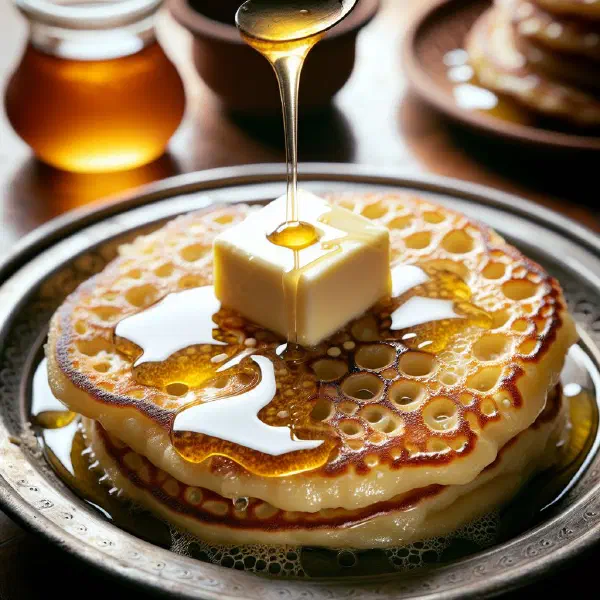
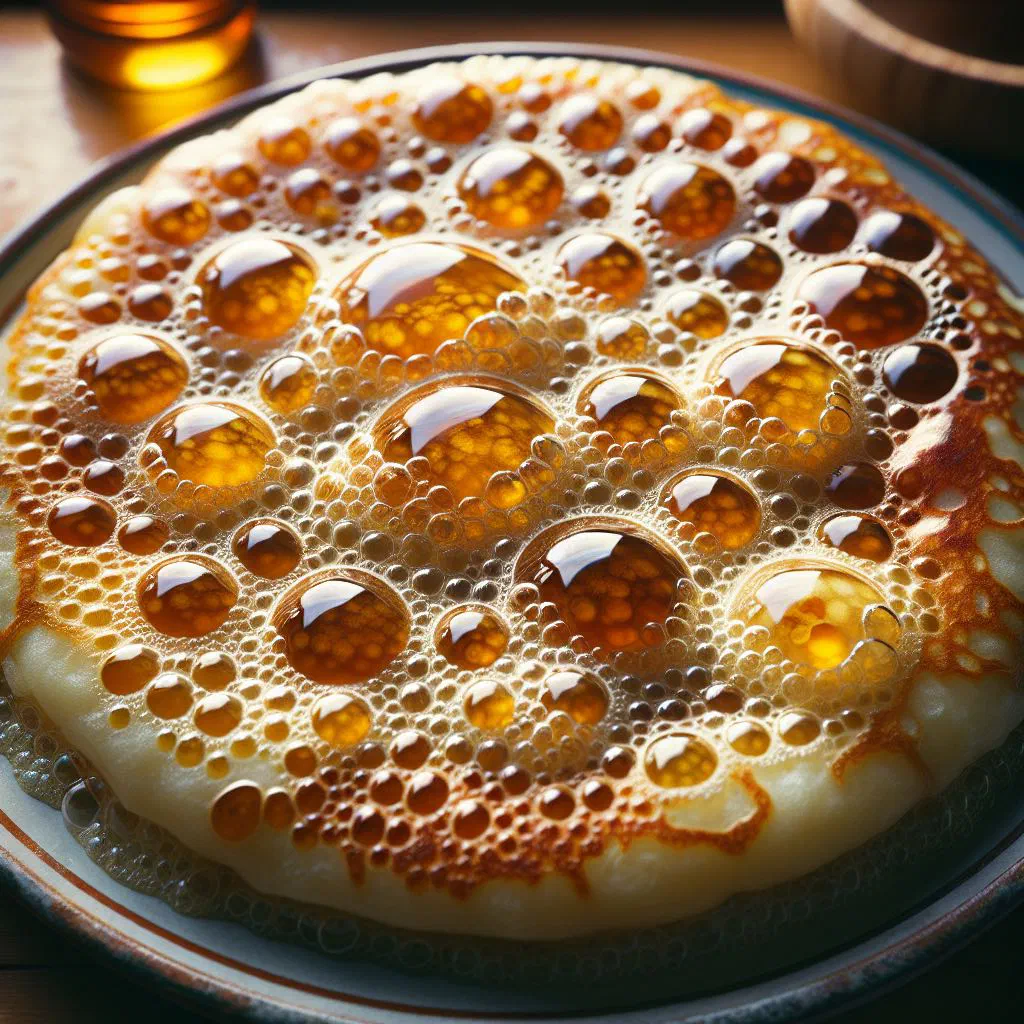
Meet Baghrir, Morocco’s beloved “thousand-hole pancakes”, light, spongy and utterly very good. Made from semolina and yeast, these airy little pancakes are riddled with tiny bubbles that soak up every drop of warm honey and melted butter. Perfect for a leisurely breakfast or an afternoon snack, they bring a taste of the Maghreb straight to your table. Simple to make yet wonderfully satisfying, they are a true Moroccan classic.
About Baghrir
Baghrir, also known as the “thousand-hole pancakes”, are a traditional Moroccan dish celebrated for their unique texture and unmistakable flavour. These airy pancakes are made from semolina and yeast, which give them their characteristic spongy consistency. Often served at breakfast or as a snack, they are hugely popular in Moroccan cooking. Paired with honey, butter or jam, they become a special treat that appeals to the senses with every bite.
Ingredients (serves 1–2)
- 100 g semolina
- 50 g plain flour
- 1 tsp dried yeast
- 1 tsp sugar
- 300 ml lukewarm water
- 1 pinch of salt
Shopping for the ingredients
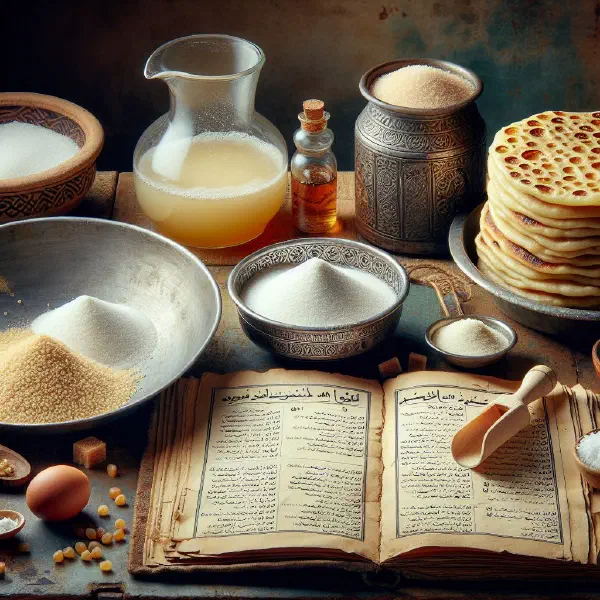
The ingredients for baghrir are easy to find in most supermarkets and smaller grocery shops. Be sure to choose good-quality semolina and fresh yeast to get the best results. The sugar and salt are worth picking well too, as they bring out the flavour of the pancakes. Most of these store-cupboard staples are inexpensive, so you can whip up a batch of baghrir without spending much at all.
Preparing the dish
Before you start making baghrir, make sure all your ingredients are ready and to hand. It is important that the water is lukewarm, as this activates the yeast and gives the pancakes their lovely lightness. Combine the dry ingredients in a bowl, then slowly pour in the water. Stir everything together until you have a smooth batter, and let it rest for around 30 minutes so the yeast can do its work.
Step-by-step instructions
- In a bowl, mix the semolina, flour, sugar, yeast and a pinch of salt.
- Slowly add the lukewarm water and stir everything together well.
- Cover the mixture and leave it to rest in a warm place for about 30 minutes.
- Heat a non-stick pan and pour in a small ladleful of batter. Let the pancake cook on one side until tiny holes start to form across the surface.
- Remove the pancake from the heat after 2–3 minutes. This top side stays uncooked, which gives baghrir their signature texture.
- Repeat the process until you have used up all the batter.
Gluten-free / lactose-free version
To make baghrir gluten-free, swap the wheat flour for a good gluten-free flour and make sure all your other ingredients are gluten-free too. For a lactose-free version, simply use plant-based fats or margarine when serving the pancakes. That way the exquisite flavour stays exactly as it should be, without any lactose at all.
Tips for vegans and vegetarians
Baghrir are naturally vegetarian and can easily be made vegan as well. Just make sure the ingredients you serve them with, the margarine or honey, for instance, are plant-based. Instead of honey, you can reach for maple syrup or agave nectar, both of which make a delicious vegan alternative. Try out different combinations to find the best vegan version for your own taste.
More tips and tricks
To take the flavour of baghrir up a notch, you can work spices such as cinnamon or cardamom into the batter. A splash of vanilla extract adds a wonderful note too. Be sure to preheat the pan properly before pouring in the batter, so the pancakes cook evenly. Experiment with different toppings to enjoy all the variety they have to offer, much like the buttery folds of Msmen au Miel.
Adapting the recipe to your taste
Making baghrir is easy to tailor to your personal preferences. If you like your pancakes less sweet, for example, you can cut back on the sugar. For a more savoury edge, try adding a pinch of sea salt. Keep an eye on the consistency of the batter and adjust it if you are using different types of flour, so you reach exactly the texture you are after.
Ingredient substitutions
Instead of semolina, you could use cornmeal if you fancy trying a different flavour. If you have no yeast to hand, baking powder will do the job, although it will change the texture of the baghrir slightly. For vegan versions, you can also use plant-based milk in place of water to give the batter a little extra flavour. Tweaks like these encourage you to experiment and discover new tastes, much as you might with a Harcha au Fromage.
Drink pairing ideas
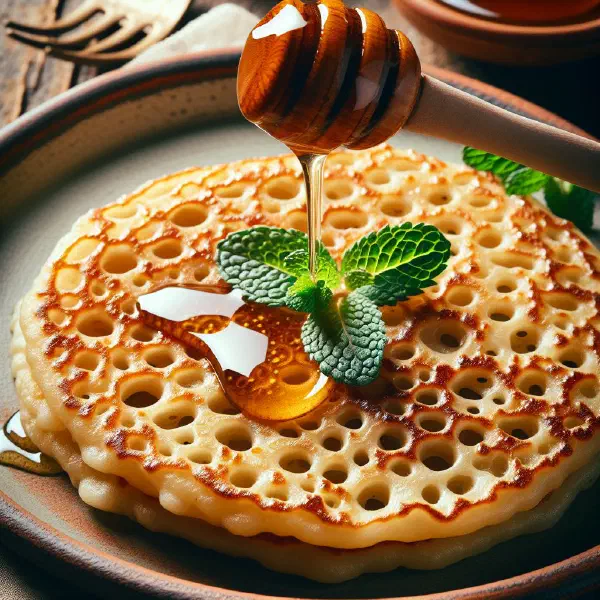
A range of drinks pairs beautifully with baghrir to round off the Moroccan experience. A classic mint tea is an excellent choice, as the fresh, bright notes of the mint perfectly complement the sweetness of the pancakes. Alternatively, you could serve a fruity smoothie or a coffee for a stronger flavour combination. Experiment with different teas to find the pairing you love most.
Serving and presentation ideas
When it comes to serving baghrir, you can really let your creativity shine. Stack the pancakes on a pretty plate and garnish them with fresh fruit or nuts. An extra drizzle of honey or a layer of jam on each pancake makes the presentation even more appealing. Colourful napkins or decorative plates also help to lift the whole experience and impress your guests.
A bit of history
The origins of baghrir reach right back into Berber cuisine. These pancakes are hugely popular across Morocco and are part of everyday eating, yet they also appear frequently at festive occasions. They symbolise hospitality and the rich culture of the country. Baghrir are a nourishing dish and a piece of culinary heritage, showing the connection between tradition and the modern table, a thread that runs through all of Moroccan cuisine.
More recipe ideas
Summary: Baghrir
In short, baghrir are an incredibly tasty and versatile dish that captures the spirit of Moroccan cooking. These “thousand-hole pancakes” are simple to make and a lovely way to treat the people you care about. Whether sweet or savoury, baghrir have something to offer every palate. With them you bring a slice of Moroccan tradition into your own kitchen and let every bite carry you away to the culture of the country.