National Dish Morocco: Baghrir with Butter and Honey (Recipe)
In this article
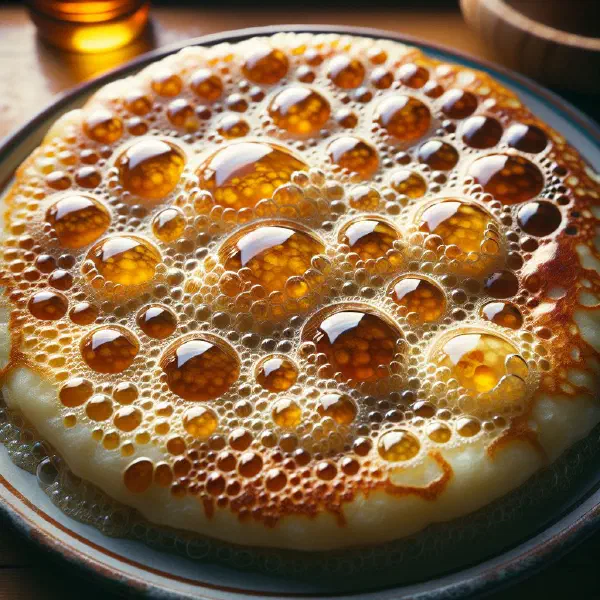
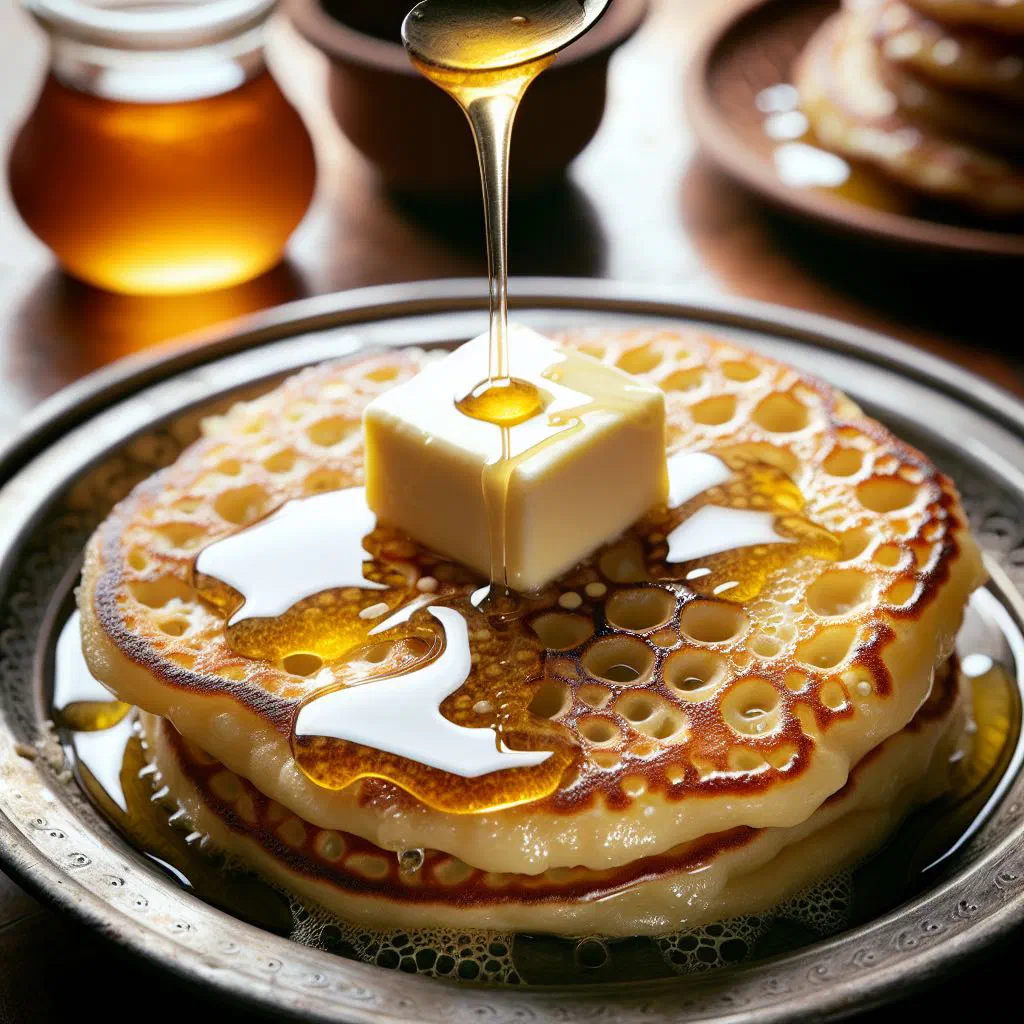
Meet baghrir, Morocco’s famous “thousand-hole” pancakes, light and spongy with a surface dotted by countless tiny bubbles that drink up every drop of melted butter and honey. Made from semolina and lifted by yeast, these golden rounds carry a gentle, nutty warmth that makes them a treasured choice for breakfast or an afternoon treat. With a few humble ingredients and a hot pan, you can bring a taste of a Moroccan kitchen straight to your own table.
About Baghrir
Baghrir, also known as the “thousand-hole” pancake, is a Moroccan delicacy admired for its airy texture and the many little holes that cover its surface. The pancakes are made from semolina or fine wheat flour and carry a subtly nutty flavour that makes them a perfect choice for breakfast or as a snack. In Morocco they are traditionally served with melted butter and honey, a pairing that creates a memorable taste. This blend of sweet and savoury notes turns baghrir into a feast for the senses, much like the layered Msmen au Miel enjoyed across the country.
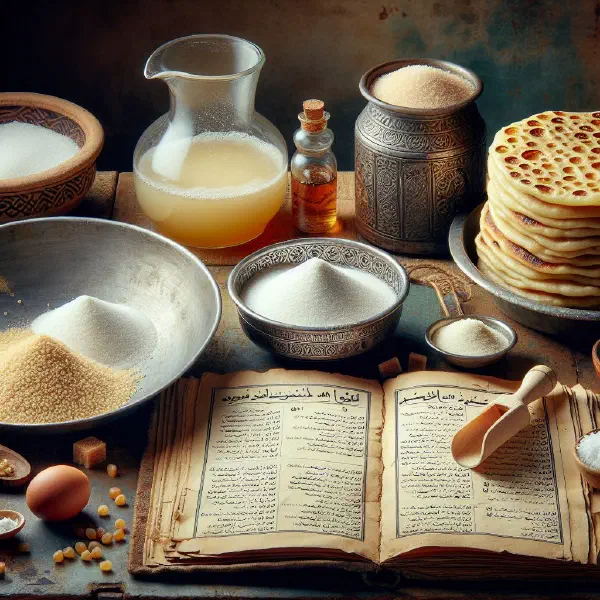
Ingredients (serves 1–2)
- 1 cup semolina
- 1 cup warm water
- 1/2 teaspoon dried yeast
- 1/2 teaspoon salt
- 1 teaspoon sugar
- Optional: spices (such as cinnamon or cardamom)
Shopping for the ingredients
To get the most out of cooking baghrir, it is worth choosing good-quality ingredients. The semolina should be fresh and finely milled, as this directly affects the texture of the pancakes. Dried yeast is a crucial ingredient, since it makes the batter rise and forms those characteristic holes. Where you can, it also pays to buy local or organic ingredients to guarantee the best flavour and freshness.
Preparing the dish
Getting the ingredients ready is an important part of the process and helps ensure a successful result. Combining the semolina with water, dried yeast, salt and sugar is a simple yet effective way to achieve a smooth, even batter. It is a good idea to use a blender or a whisk to avoid any lumps. Leave the mixture to rest for around 30 minutes so the yeast has time to do its work and the batter comes alive with bubbles.
Step-by-step instructions
- In a bowl, thoroughly combine the semolina, warm water, dried yeast, salt and sugar.
- Leave the batter to rest for about 30 minutes, until it forms bubbles.
- Preheat a non-stick pan over medium heat and flick a little water onto the surface to test the temperature.
- Pour a ladleful of batter into the pan and spread it evenly so it covers the surface well.
- Cook the baghrir for about 2–3 minutes, until the top is dry and the characteristic holes appear.
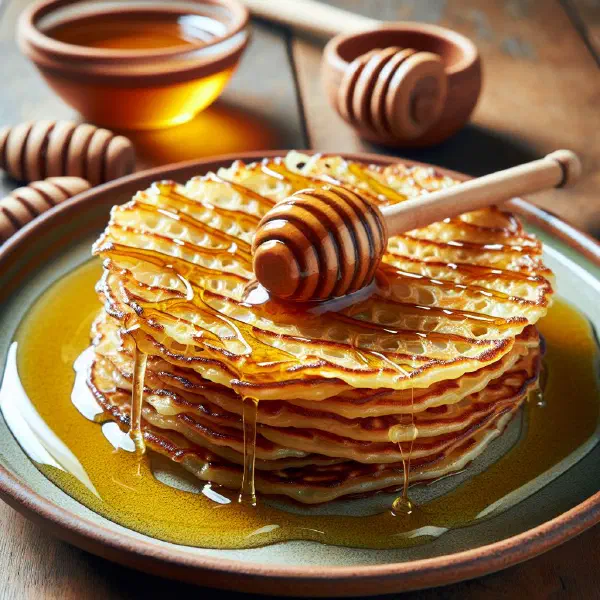
- Stack the pancakes to serve and drizzle generously with melted butter and honey.
Gluten-free / lactose-free version
For a gluten-free version of baghrir, you can swap the semolina for alternative flours such as rice flour or cornmeal. You may need to adjust the amount of liquid slightly to reach the right consistency. For a lactose-free option, plant-based alternatives such as coconut oil or plant milk can be used to prepare and serve the pancakes. These small changes make sure you still enjoy a wonderfully delicious result.
Tips for vegans and vegetarians
Baghrir is naturally vegan, as long as you take care not to add any animal products such as milk or eggs. For an especially sweet finish, maple syrup or fruit purées make lovely accompaniments. Experiment, too, with different toppings such as fresh fruit or a nutty cream to give your baghrir extra flavour. These adjustments make the dish plant-based and varied and exciting.
More tips and tricks
To get the best from your baghrir, make sure the pan has reached the right temperature before you add the batter. A pan that is too cold can stop the pancakes from rising properly. If you find turning them tricky, simply leave the pancakes in the pan as they cook until the underside is golden, baghrir is only ever cooked on one side, so the holes stay open. And don’t forget: storing any leftover baghrir in the fridge means you can simply reheat them the next day, a handy time-saver.
Adapting the recipe to your taste
Depending on your taste, you can flavour baghrir with different spices. Adding cinnamon, cloves or even a hint of lemon zest gives the pancakes an extra creative note. The sweetness can be tuned entirely to your own liking by using more or less sugar.
Ingredient substitutions
A simple recipe can be transformed by swapping out certain ingredients. If you don’t have semolina to hand, oat flour or even chickpea flour is a possible alternative. Different sweeteners such as coconut sugar or agave syrup can also be used to deepen the natural flavour. Be creative and experiment with different aromatics to develop your own personal baghrir experience, taking inspiration from cheese-rich breads like Harcha au Fromage.
Drink pairing ideas
A range of drinks pairs beautifully with baghrir, supporting the flavours while offering a refreshing counterpoint. A classic mint tea is the traditional choice and lends an authentic Moroccan touch. Alternatively, you could serve fresh orange juice or a fragrant herbal tea to complement the taste of the pancakes.
Serving and presentation ideas
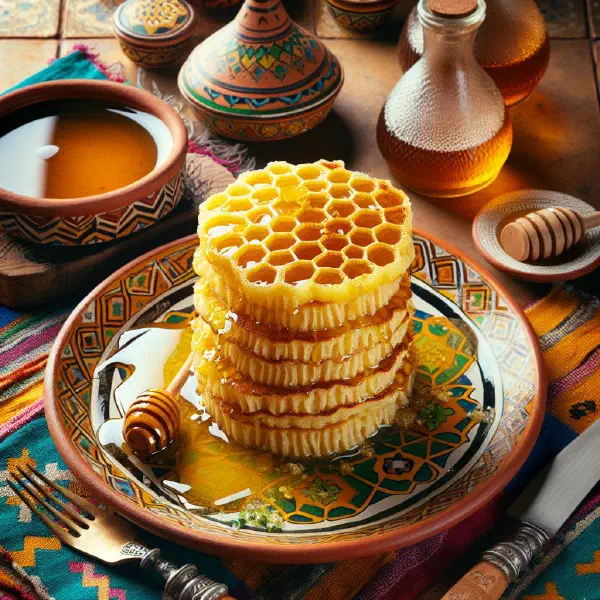
The way you present your baghrir can make a real impression and elevate the dish. Stack the pancakes on a large, attractive plate and drizzle the melted butter and honey artfully over the top. Decorate the platter with chopped nuts or fresh berries to add colour and texture. You can also garnish with fresh herbs to create a contrast in both appearance and flavour, just as you might alongside a savoury Chakchouka.
A bit of history
Baghrir has a long history and is deeply rooted in Moroccan cuisine. The tradition of making baghrir is said to have been passed down from generation to generation, becoming a symbol of Moroccan culture. In many families it is prepared as a festive dish, and it is not unusual for the cooking to turn into a sociable event that brings the whole family together. These pancakes are a treat for the palate and a connection to the roots and traditions of Moroccan cuisine.
More recipe ideas
Summary: Baghrir
In short, baghrir is more than a simple breakfast; it is a truly remarkable experience full of flavour and Moroccan culture. These pancakes, set apart by their unique structure, are wonderfully versatile and easy to tailor to personal taste. Whether sweet or savoury, topped in countless ways or served as part of a larger spread, baghrir is always a good choice. Let the aromas and traditions of Morocco draw you in, and enjoy a tour held in every single ingredient.