National Dish Morocco: Batbout (Recipe)
In this article
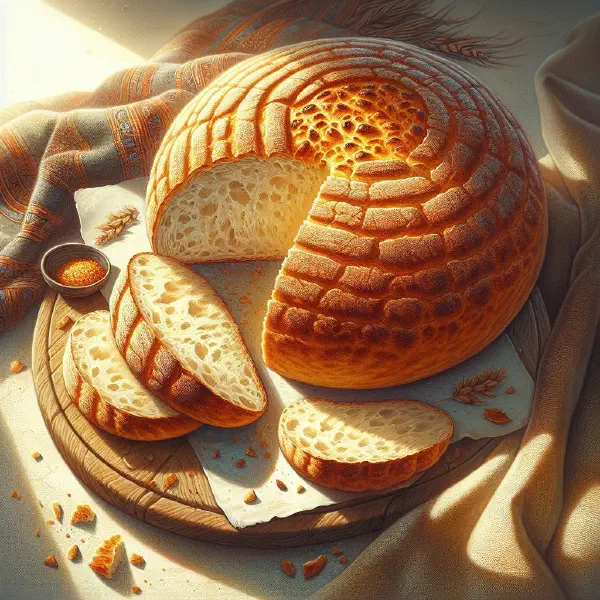
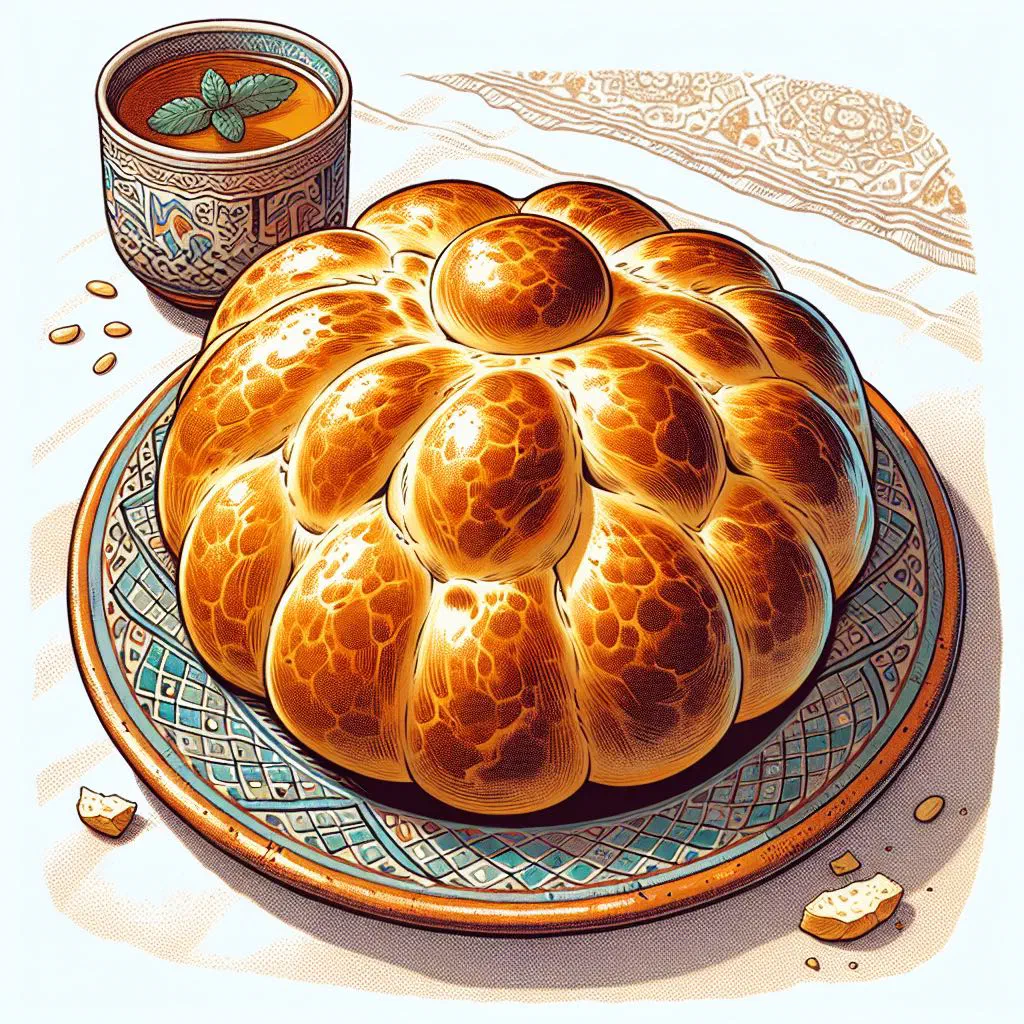
Say hello to Batbout, the soft, pillowy flatbread that sits at the heart of so many Moroccan meals. Baked in a pan rather than an oven, it turns gently crisp on the outside while staying wonderfully light and airy within. It is made with just a handful of everyday ingredients, yet it is endlessly useful. Perfect for scooping up aromatic dips or serving alongside a hearty main. Bring the warmth and charm of the Moroccan kitchen straight to your own table.
About Batbout
Batbout is a traditional Moroccan flatbread celebrated for its fluffy texture and its remarkable versatility. Sometimes known as mala, it appears throughout Moroccan cooking both as a side to savoury dishes and as the ideal vehicle for dunking into aromatic dips. Because it is cooked in a pan, the bread develops a lightly crisp crust while staying soft and tender inside. With only a few ingredients you can make this delicious flatbread quickly at home, bringing the charm of the Moroccan kitchen right into your own.
Ingredients (serves 1–2)
- 250 g flour
- 1 tsp dried yeast
- 150 ml warm water
- 1 tsp salt
- 1 tsp sugar
- 1 tbsp olive oil
Shopping for the ingredients
To make Batbout you will want fresh, good-quality ingredients. Most of the items listed should be easy to find in your local supermarket or a well-stocked grocery. When buying flour, choose a fine white flour to ensure a tender crumb. Dried yeast matters too; it should be fresh and well sealed so the dough proves reliably and gives the best possible results.
Preparing the dish
Before you start making Batbout, it helps to have everything ready to hand. Measure out the flour, yeast and salt precisely, and make sure the water is at the right temperature, warm but not so hot that it kills the yeast. A large board or a clean work surface is ideal for kneading the dough, and you will also need a bowl in which to leave it to rise during proving.
Step-by-step instructions
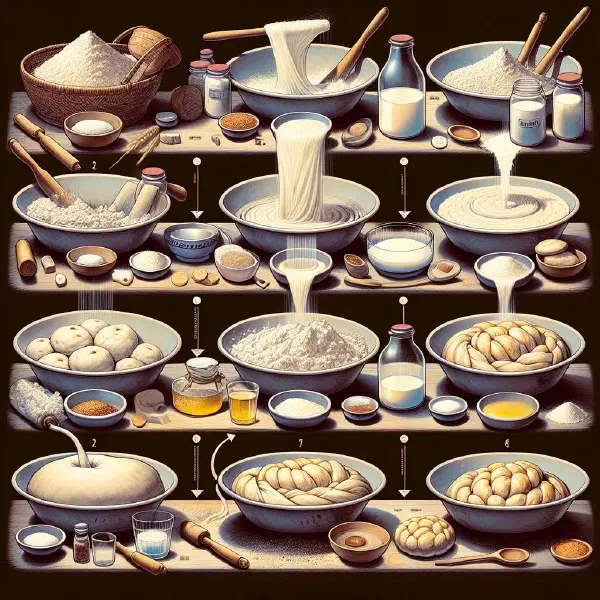
- In a bowl, mix together the flour, yeast, salt and sugar.
- Add the warm water and the olive oil, then combine everything well.
- Turn the dough out onto a floured work surface and knead vigorously for about 10 minutes, until smooth and elastic.
- Place the dough in an oiled bowl, cover with a cloth and leave to rise in a warm spot for 1 hour.
- Tip the risen dough onto a floured surface and divide it into small portions, shaping each into a round flatbread.
- Heat a pan over medium heat and cook the flatbreads one at a time, without oil, for 4–5 minutes on each side.
- Let the finished Batbout cool on a tea towel before serving.
Gluten-free / lactose-free version
You can make Batbout gluten-free by using a gluten-free flour with a texture similar to wheat flour. Check the yeast as well, since some brands may contain gluten. For a lactose-free version, use olive oil or a plant-based margarine in place of conventional butter when cooking. These small adjustments mean that people with particular dietary needs can still enjoy this delicious flatbread, much as they would a Harcha au Fromage.
Tips for vegans and vegetarians
Batbout is naturally vegan, as it contains no animal products at all. To boost the flavour further, you can work seasoned oils or fresh herbs into the dough, or serve it with a dip. A popular vegan choice is hummus or an avocado cream. Pairings like these add layers of flavour that make your Batbout even more appealing.
More tips and tricks
For the best results, make sure the pan is thoroughly preheated before you add the flatbreads. This gives an even colour and texture. Kneading the dough properly is just as important; too little kneading can leave you with dense, heavy flatbreads. Do not be discouraged if your first few Batbout are not perfect, practice makes perfect.
Adapting the recipe to your taste
The Batbout recipe offers plenty of room for personal touches. Add spices such as cumin or coriander, for example, to give the bread an extra kick of flavour. You can vary the size of the flatbreads too, smaller ones are perfect for dips, while larger ones can serve as the basis of a main course.
Ingredient substitutions
If you would rather not use olive oil, you can reach for sunflower oil or coconut oil instead. With the flour, try a blend of gluten-free flour and other types, such as rice flour or maize flour, to achieve different flavours and textures. Sugar can also be swapped for honey or a sweetening syrup if you prefer a more natural approach. Adaptable doughs like this are also at the heart of breads such as Msmen au Miel.
Drink pairing ideas
To round off the flavours of the Moroccan table, try serving your Batbout with a refreshing mint tea or a fruity oriental fruit juice. For a non-alcoholic option, sparkling water with lemon and mint makes a wonderfully refreshing pairing.
Serving and presentation ideas
To present Batbout attractively, arrange it on a large plate surrounded by a selection of dips. Decorate the plate with fresh herbs such as mint or parsley for a splash of colour. A few colourful vegetable sticks or some olives can be tucked around the bread to create a visually appealing, varied mezze platter. Serve the dips in small bowls so that each guest can help themselves as they please, a fitting partner to a bright Salade Zaalouk.
A bit of history
Batbout has a long tradition in Moroccan cooking. It is thought to have been known in Morocco as far back as the 13th century, when it became a staple food for local communities. Originally it was baked on hot stones, a method still practised in many rural areas today. The bread is more than just food; it is a symbol of hospitality, often served at celebrations and family gatherings as a cornerstone of Moroccan cuisine.
More recipe ideas
Summary: Batbout
All in all, Batbout is a flavourful and simple bread that holds a special place in Moroccan cooking. Its fluffy texture makes it wonderful for dunking and as an accompaniment to all manner of dishes. The straightforward method and the use of fresh ingredients make it an ideal addition to any lunch or dinner. Let the delicious aromas of Morocco win you over and enjoy your homemade Batbout.