National Dish Morocco: Beghrir (Recipe)
In this article
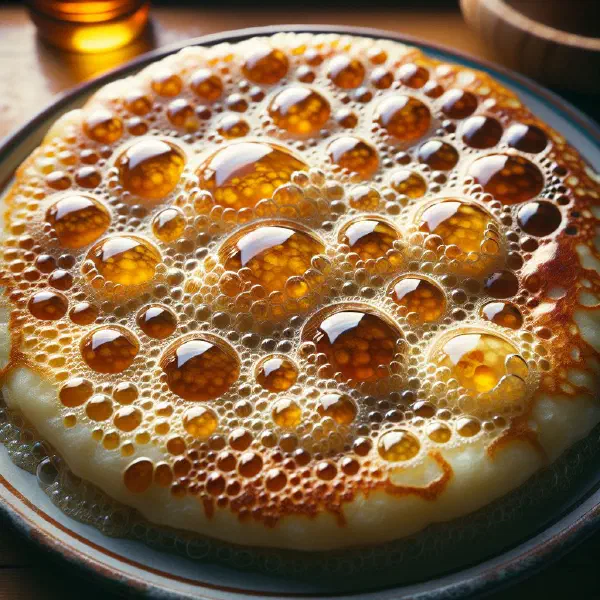
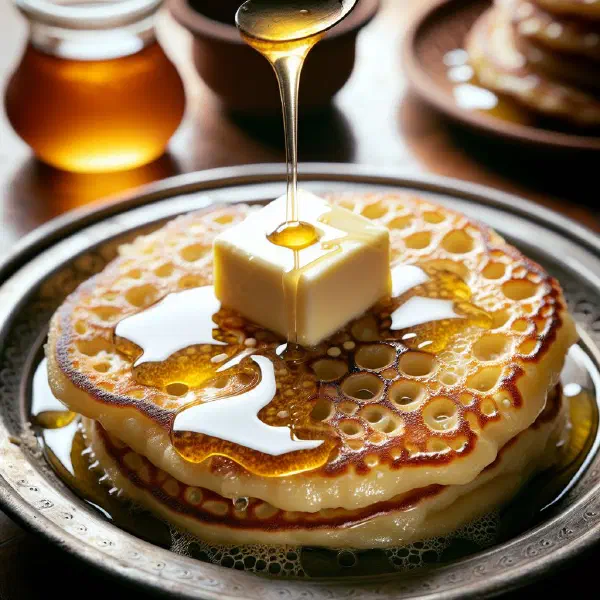
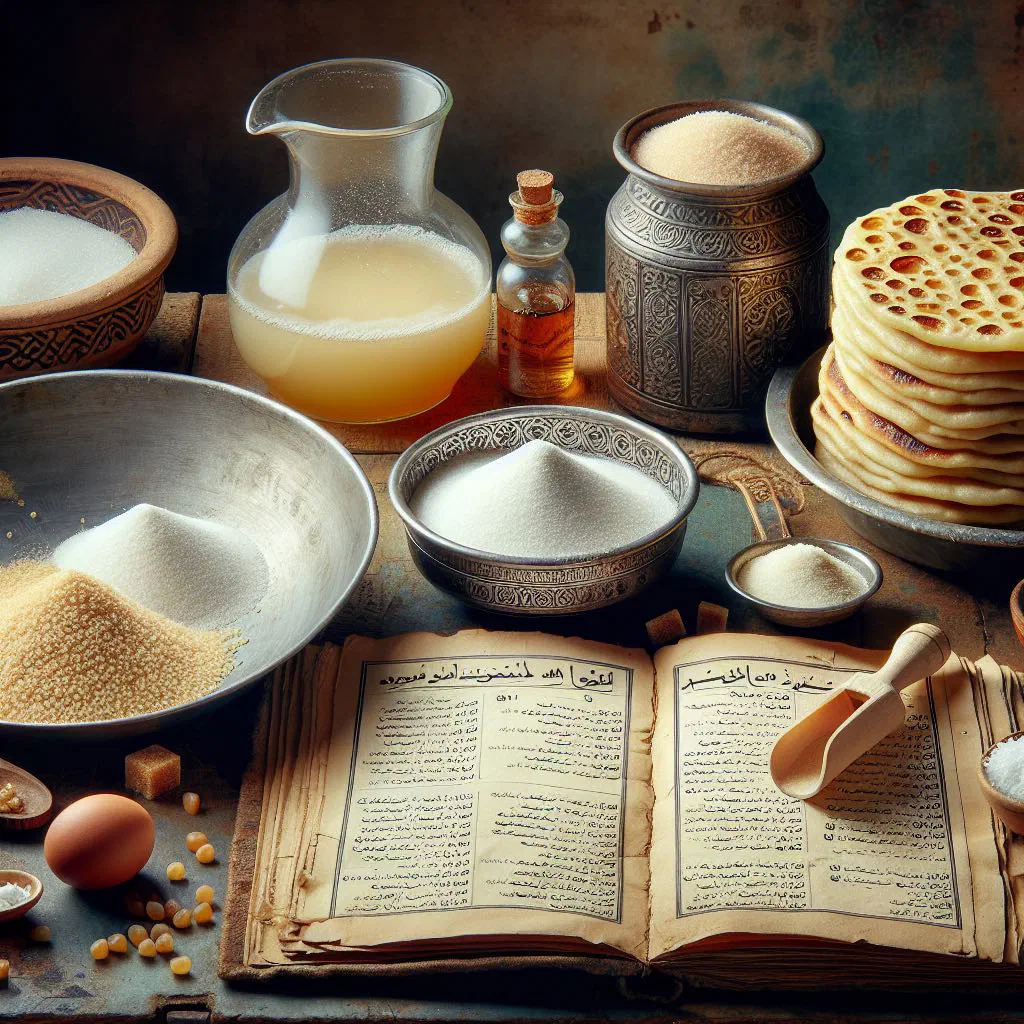
Meet Beghrir, the light, spongy Moroccan pancake famously known as the “thousand-hole pancake”. As the batter cooks, countless tiny bubbles rise to the surface and burst, leaving a delicate honeycomb of holes that drink up warm honey and melted butter. Mild, fluffy and gently sweet, these pancakes are a treasured part of any Moroccan breakfast table and a lovely teatime treat. Bring a taste of North African hospitality straight into your own kitchen.
About Beghrir
Beghrir is a traditional Moroccan dish prized for its light, airy structure and its endlessly adaptable nature. These special pancakes are also known as “thousand-hole pancakes”, because they form a multitude of tiny holes as they cook. Perfect for a leisurely breakfast or as a sweet delicacy, Beghrir wins everyone over with its mild flavour and the ease with which it can be varied to taste. Most often served with honey and butter, it offers an incomparable eating experience that sits comfortably within North African breads and pancakes.
Ingredients (serves 1–2)
- 1 cup durum wheat semolina
- 1 cup lukewarm water
- 1/2 cup milk (or a plant-based alternative)
- 1 teaspoon dried yeast
- 1 teaspoon baking powder
- 1 pinch of salt
- Honey and butter, to serve
Shopping for the ingredients
When shopping for Beghrir, it pays to pay attention to the quality of your produce. Look out for fresh durum wheat semolina and a good dried yeast to make sure your pancakes turn out properly fluffy. Many of the ingredients are easy to find in a regular supermarket or at a local farmers’ market. If you have particular dietary needs, you will also find most of the ingredients in health food shops.
Preparing the dish
Preparing Beghrir is simple and takes only a few steps. Begin by activating the yeast with water and a little sugar; let the mixture rest for a few minutes until it foams. This activation is crucial for helping the batter rise. Take care to combine all the ingredients thoroughly so that your Beghrir ends up with a uniform, smooth consistency.
Step-by-step instructions
- Prepare a large bowl and add the durum wheat semolina, milk, salt, dried yeast and baking powder.
- Slowly stir in the lukewarm water until you have a smooth, pourable batter.
- Leave the batter to rest for about an hour so it can rise.
- Heat a non-stick pan and ladle in a measure of batter to form a pancake.
- Cook the Beghrir over medium heat until bubbles form on the surface and the underside is golden brown, then flip and briefly cook the other side.
- Serve with honey and butter.
Gluten-free / lactose-free version
For a gluten-free version of Beghrir, you can use gluten-free flour in place of the durum wheat semolina. Make sure that all the other ingredients are gluten-free too. For lactose-free Beghrir, swap the milk for a plant-based alternative such as almond or oat milk. These adjustments make it possible to tailor the recipe to every dietary need without sacrificing any flavour.
Tips for vegans and vegetarians
The recipe is easily adapted for vegans by replacing the milk with plant-based milk and swapping the honey for a plant-based syrup or agave nectar. Adding fruit or nuts is another lovely option for vegans. Experiment with different combinations to turn Beghrir into a truly distinctive eating experience. Bringing in fresh fruit makes the meal more nutritious and more appealing.
More tips and tricks
A few extra tips can help your Beghrir turn out especially well. Use a warm water bath to keep the batter cosy while it rests, so the yeast can do its best work. Make sure to preheat the pan thoroughly so the pancakes cook evenly. If you like, you can honour tradition and enhance your Beghrir with spices such as cinnamon or cardamom for a special touch.
Adapting the recipe to your taste
Beghrir can be tailored very easily to your personal preferences. Fold ingredients such as chocolate chips or dried fruit into the batter for a sweeter version. For a more savoury take, you can mix in herbs or spices. Every variation brings new aromas and textures, so you can keep trying fresh Beghrir creations again and again, much like the playful range you find in Msmen au Miel.
Ingredient substitutions
If you happen to be missing an ingredient, there are often simple alternatives to hand. Durum wheat semolina can be replaced with plain flour, while the milk can also be swapped for water if you prefer a lighter version. You can likewise replace the honey with fruity jam or maple syrup. Think of each variation as a chance to try something new and to give Moroccan cooking your own personal stamp, just as a hearty Harcha au Fromage invites improvisation.
Drink pairing ideas
A wide range of drinks pairs beautifully with Beghrir and rounds out the flavours of the dish. Mint tea is the traditional choice and complements the sweetness of the pancakes wonderfully. For a fruitier option, you could serve a freshly squeezed orange juice. A milky coffee or its plant-based equivalent is also worth considering for an interesting spread of drinks.
Serving and presentation ideas
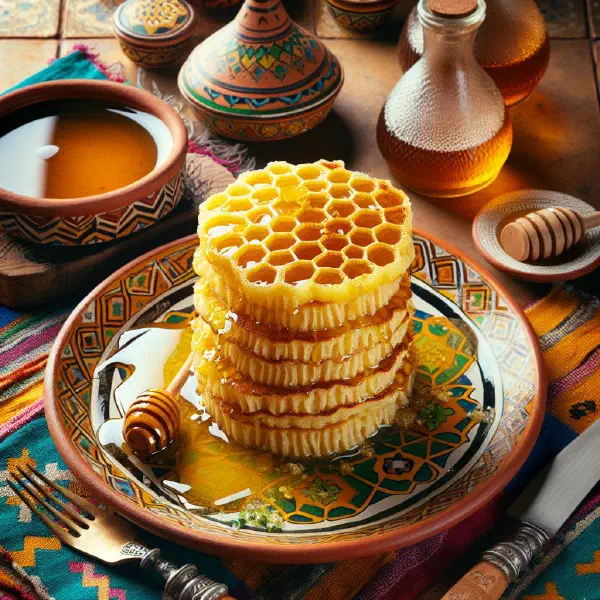
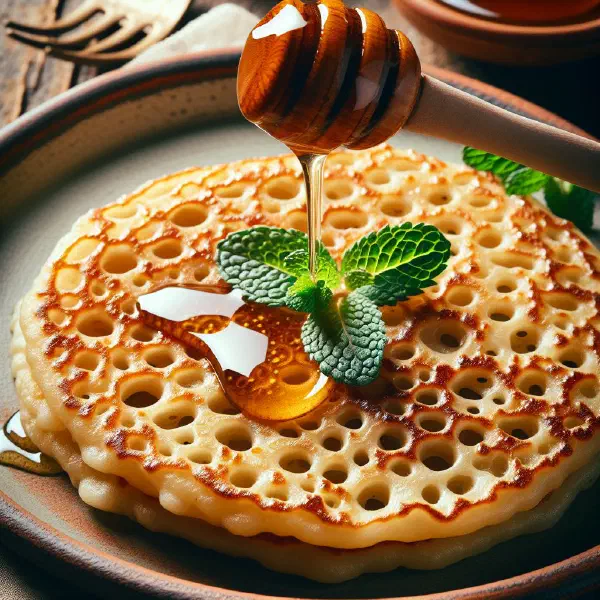
Presentation is an important part of the meal. Stack the Beghrir on a handsome plate and drizzle honey or syrup generously over the top. Garnish the dish with fresh fruit or nuts for an appealing look. A few mint leaves or a dusting of icing sugar add the finishing touch and turn it into a real centrepiece on your table.
A bit of history
Beghrir has a long history in Moroccan cuisine and is a much-loved dish often served on special occasions. The origins of this pancake reach back into Berber traditions. Beghrir is a symbol of hospitality in Moroccan culture. Its preparation brings people together, whether over a family breakfast or as a sweet dessert after dinner, a warmth shared with classics like Batbout.
More recipe ideas
Summary: Beghrir
In short, Beghrir is a delicious and versatile dish from Moroccan cuisine that captivates with its unique textures and aromas. Whether sweet or savoury, you experience a journey through North African gastronomy with every bite. Try out the variations and adapt the recipe to your own personal tastes. Enjoy your meal.