National Dish Morocco: Bissara (Recipe)
In this article
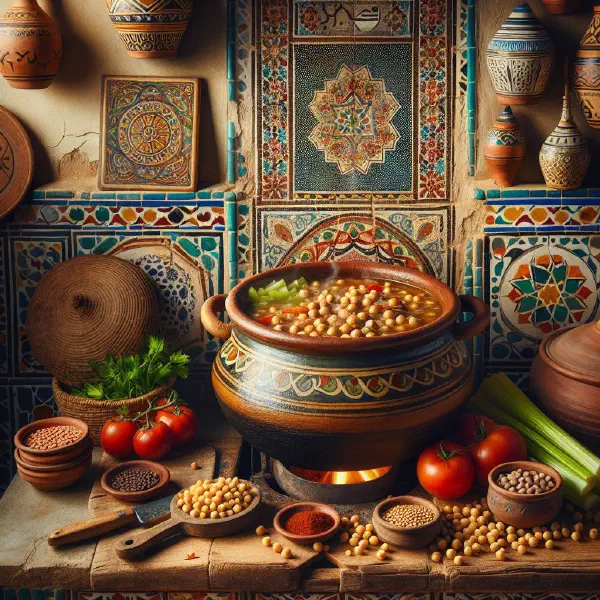
Warm, nourishing and wonderfully simple, Bissara is one of Morocco’s most beloved comfort foods. This silky purée of dried peas is laced with garlic, cumin and a generous swirl of olive oil, making it the perfect dish for chilly evenings. Earthy and gently spiced, it offers a genuine taste of Moroccan tradition, humble in its ingredients yet deeply satisfying in every spoonful. Bring a little of the North African souk straight into your own kitchen.
About Bissara
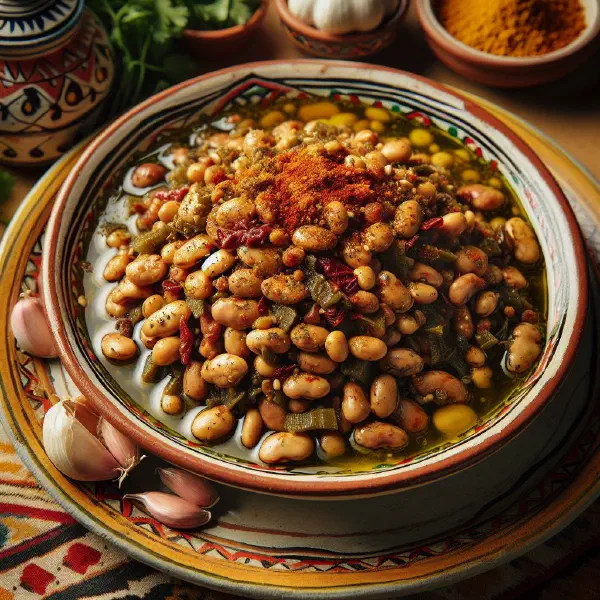
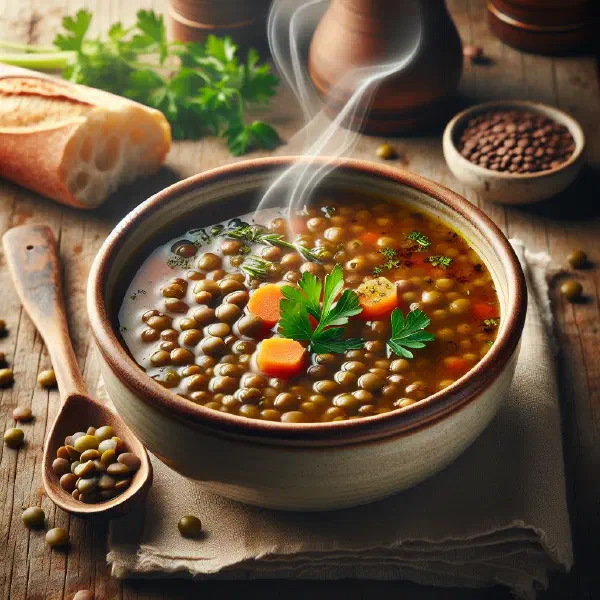
Bissara is a hearty pea purée regarded as a much-loved national dish in Morocco. It is made chiefly from dried green peas and is known for its gentle, nutty flavour. With a combination of aromatic spices and good olive oil, it delivers a warm and welcoming feeling that is especially prized on cool evenings. This dish is nourishing and promises an authentic Moroccan experience, served piping hot with crusty bread for dipping.
Ingredients (serves 1–2)
- 200 g dried green peas
- 1 litre water
- 2 cloves garlic, chopped
- 1 teaspoon cumin
- 1 teaspoon paprika
- 2 tablespoons olive oil
- Salt and pepper, to taste
Shopping for the ingredients
You will find most of the ingredients for bissara in local supermarkets or at markets that stock ethnic foods. Be sure to choose good-quality peas so the dish has the best possible flavour. Spices such as cumin and paprika are essential to the authentic character of the dish. If you cannot track down the dried peas, pre-cooked peas can serve as an alternative, though they may shorten the cooking time noticeably.
Preparing the dish
Begin by soaking the dried peas overnight in water. This helps reduce the cooking time and gives the purée an especially creamy texture. The next day the peas should be well drained and ready to cook. While you wait for the peas, you can get ahead by preparing the spices and garlic, which makes the cooking itself much easier.
Step-by-step instructions
- Put the soaked peas into a pan with 1 litre of water and bring to the boil.
- Add the garlic, cumin and paprika, then simmer for about 30–40 minutes until the peas are soft.
- Drain off the water and blend the peas with a stick blender or food processor until you reach the consistency you like.
- Season with olive oil, salt and pepper, and stir well to combine.
- Serve the bissara hot, garnishing with an extra drizzle of olive oil and a dusting of spices if you wish.
Gluten-free / lactose-free version
The recipe for bissara is naturally gluten-free and lactose-free, so you can enjoy it with complete confidence and no extra changes. This makes it an excellent choice for anyone with food intolerances. Because it relies on olive oil rather than butter, it is also perfectly suited to vegan diets without any modification at all.
Tips for vegans and vegetarians
Bissara is delicious and a perfect vegan option. Take care to choose entirely plant-based ingredients, which is already the case in this recipe. Add fresh vegetables or herbs to taste for extra flavour and nutrients. You can also experiment with different spices to adjust the dish to your own personal preferences and keep things interesting.
More tips and tricks
To make your bissara even more flavoursome, try brightening the peas with a little lemon juice before you blend them. This lends the dish a refreshing edge. A good tip is to spoon the bissara into a bowl and garnish it with fresh herbs such as parsley or coriander, adding both colour and flavour. A scattering of toasted nuts can be a very welcome addition too.
Adapting the recipe to your taste
Making bissara leaves plenty of room for personal touches. You might add spices such as cinnamon or chilli to make the dish sweeter or hotter. Try experimenting with different oils, walnut oil, for example, to introduce a new flavour direction. Just be sure to make your changes in moderate amounts so the balance of aromas stays intact.
Ingredient substitutions
If you do not have dried green peas to hand, you can also use tinned peas, though this will cut the cooking time considerably. The spices can be varied freely as well, ras el hanout, for instance, brings a distinctly Moroccan flair to the dish, much like the warming blend in a Couscous Tfaya. If you would rather skip the olive oil, sunflower oil is an acceptable alternative, although it brings a slightly different flavour.
Drink pairing ideas
To accompany bissara, minty teas are an outstanding choice. These refreshing drinks complement the flavours of the purée and make for a harmonious meal. A fruity lemonade or a light white wine can pair nicely as well. Beyond that, non-alcoholic citrus-based drinks are a healthy and refreshing option to round things off.
Serving and presentation ideas
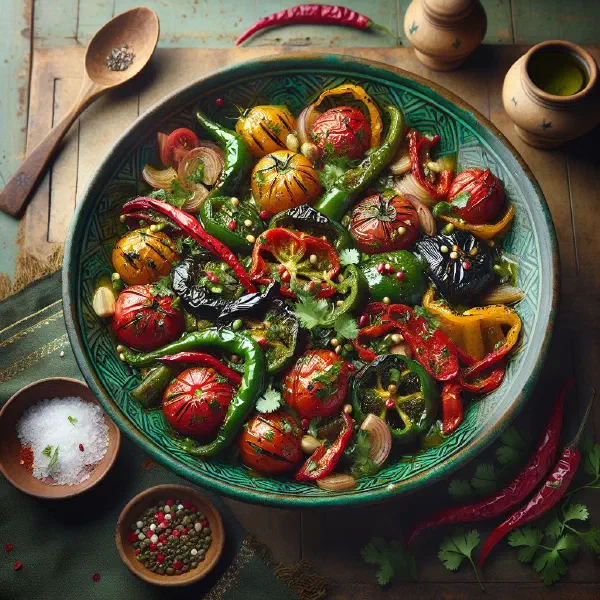
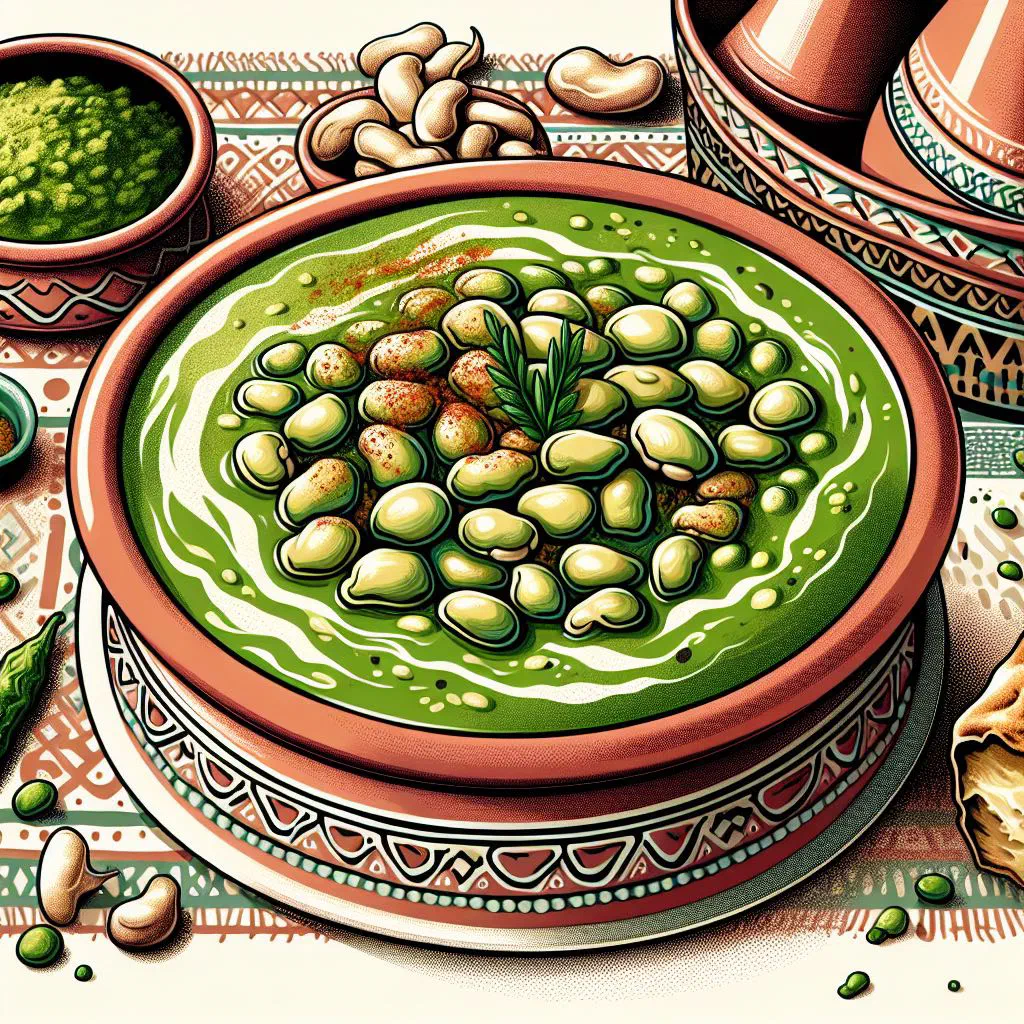
The presentation of bissara can be simple yet striking. Serve the purée in an attractive bowl and garnish it with a swirl of olive oil and fresh herbs on top. Add colourful sides such as fried peppers or tomatoes to bring the dish to life. Presented on a round tray alongside flatbread, much like a Batbout, it becomes all the more inviting.
A bit of history
Bissara has its roots in Moroccan cuisine and has been valued for centuries as a nourishing meal. It is often served at traditional markets and street stalls, and remains a favourite dish among locals and tourists alike. Historically it was prized as an inexpensive, easy-to-prepare dish that is also rich in nutrients. “Bissara” is not merely a dish but a part of Moroccan identity and culture, and a fine introduction to Moroccan cuisine.
More recipe ideas
Summary: Bissara
Bissara is a simple yet remarkably flavoursome dish made from dried green peas, prepared with a range of spices and the best ingredients. Ideal for cool evenings, it offers a delicious eating experience and a deep insight into Moroccan tradition. Bissara is always an invitation to sit down and enjoy. With this guide you are perfectly equipped to bring a piece of Morocco straight into your own kitchen.