National Dish Morocco: Harcha au Fromage (Recipe)
In this article
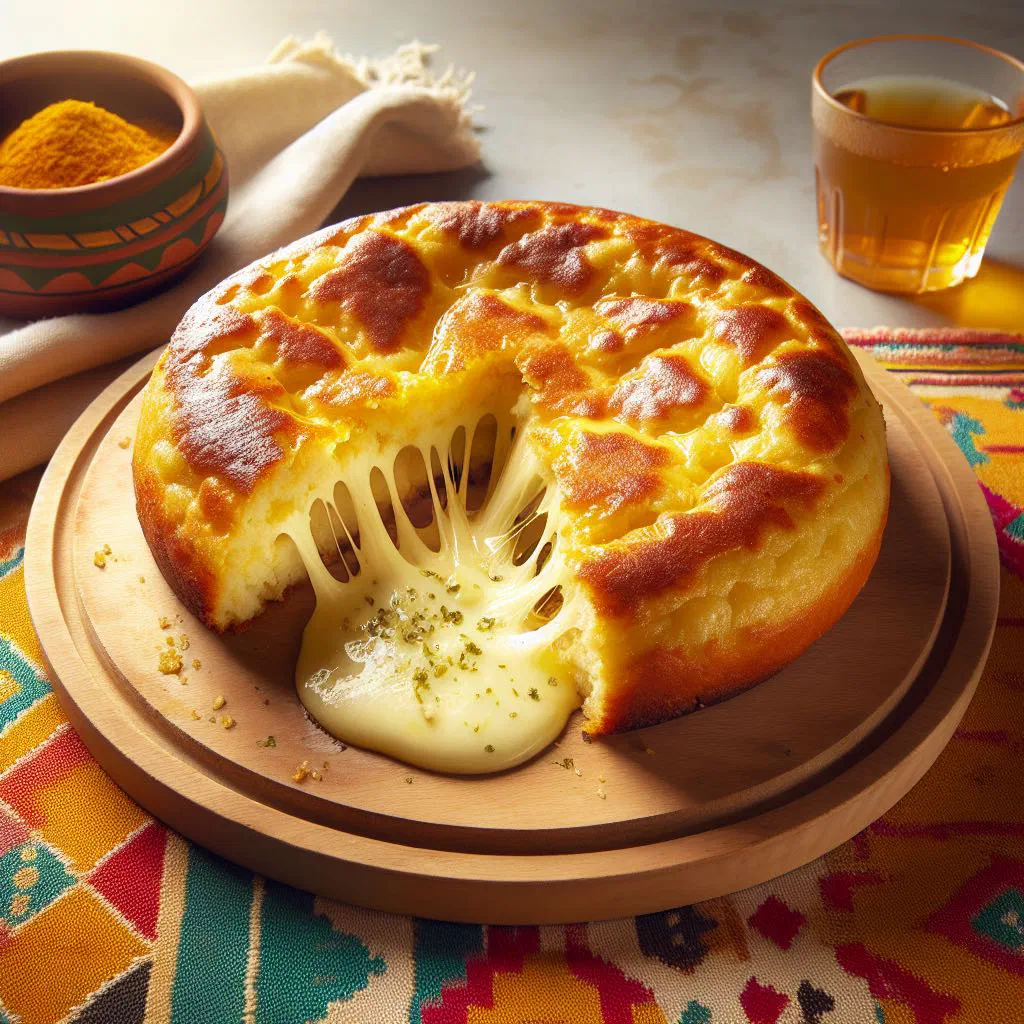
Say hello to Harcha au Fromage, a wonderfully moreish treat from the heart of Moroccan home cooking. This crisp, golden pan bread hides a soft, savoury middle that is shot through with melting cheese. It makes a brilliant snack to share over a pot of mint tea, yet it is just as happy alongside a main meal. If you fancy bringing the warm flavours of the Maghreb into your own kitchen, this is the perfect place to start.
About Harcha au Fromage
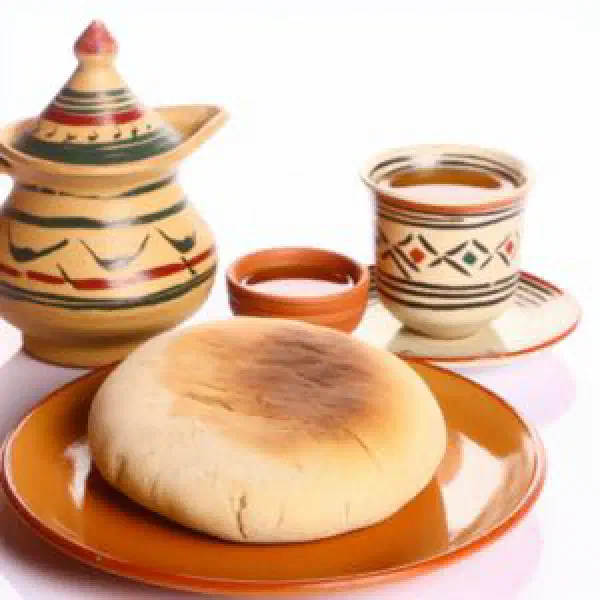
Harcha au Fromage is a traditional Moroccan speciality that is made in kitchens across the country. This savoury cornmeal bread is loved for its crisp outer crust and its soft, tender crumb within. Enriched with a generous handful of tasty cheese, it works beautifully as a quick snack or as a side to a main dish. If you want to enjoy the flavours of the Maghreb without any fuss, this is exactly the recipe for you.
Ingredients (serves 1–2)
- 200g cornmeal
- 100ml water
- 50g grated cheese (such as Gouda or feta)
- 1 teaspoon salt
- 1 teaspoon baking powder
- 2 tablespoons olive oil
Shopping for the ingredients
When shopping for the ingredients for harcha au fromage, it is worth choosing a good-quality cornmeal, as this forms the very base of the dish. The cheese matters just as much, so try a few different sorts to find the one you like best. Olive oil is used both in the dough and for frying the harcha, so go for a decent bottle. Pop along to a local market or a specialist shop for international foods to track down the best ingredients.
Preparing the dish
Before you begin, it helps to have all of your ingredients ready and to hand. Measure everything out carefully so you can combine it smoothly later on. Keep a suitable frying pan and a mixing bowl close by for making and cooking the dough. If you have particular tastes, now is also a good moment to fold in a few spices or herbs to ring the changes on the flavour.
Step-by-step instructions
- In a bowl, combine the cornmeal with the salt and the baking powder.
- Add the water a little at a time, stirring to a smooth dough.
- Fold the grated cheese and the olive oil through the dough.
- Heat the pan and brush it with a little olive oil.
- Spoon the dough into the pan and fry over a medium heat for about 5–7 minutes, until the underside is golden brown.
- Turn the harcha and fry the other side too, until golden and crisp.
- Cut into pieces before serving and enjoy warm.
Gluten-free / lactose-free version
Making harcha au fromage gluten-free is straightforward, since cornmeal is naturally free from gluten. To make it lactose-free as well, swap the usual cheese for a plant-based cheese alternative. This opens up a wider range of flavours and is ideal for anyone with intolerances. In this way you can adapt the original recipe without losing any of the enjoyment.
Tips for vegans and vegetarians
For vegans, the dish is easily adapted by replacing the cheese with a plant-based alternative. You could also fold vegetables such as courgette or pepper through the dough for extra flavour and goodness. Vegetarians can enjoy the recipe with a clear conscience, though they should take care to choose a non-animal cheese. Have a play with delicate herbs to make the recipe truly your own.
More tips and tricks
One key tip when frying the harcha is not to let the pan get too hot, so that it does not catch and burn. An extra splash of olive oil can make the harcha especially crisp. Feel free to add other spices such as paprika or cumin, depending on what you fancy. Be sure to serve the harcha straight after frying, as it is at its very best while still warm.
Adapting the recipe to your taste
The great flexibility of this recipe means you can tailor it exactly to your liking. Add different types of cheese or experiment with herbs and spices to deepen the flavour. Prefer it on the sweeter side? A little sugar in the dough makes for a delicious change.
Ingredient substitutions
If you cannot get hold of cornmeal, try rice flour or another gluten-free flour instead. There are no limits when it comes to the cheese either; give cottage cheese or ricotta a go for a different texture. Experiment with various vegetable oils to achieve a flavour all of your own. The important thing is not to feel boxed in by the traditional ingredients, much like the freedom you’ll find when making a Batbout at home.
Drink pairing ideas
To go alongside the meal, traditional Moroccan drinks such as mint tea or a freshly pressed pomegranate smoothie are a fine choice. Both options bring out the flavours of the harcha au fromage beautifully while adding a refreshing note. A light rosé wine can also be a lovely match to round things off. Pick a drink that complements the rich flavours of the dish and lifts your meal.
Serving and presentation ideas
How you present your harcha can really add to the pleasure of eating it. Serve the pieces on a large, colourful plate and scatter over fresh herbs or a little yoghurt sauce to finish. You might also set out a pretty bowl with a selection of dips to make the dish even more inviting. Remember to serve the harcha nice and warm, so it looks fresh and appealing.
A bit of history
Harcha has its roots in Moroccan cuisine, where grains have long been a staple food. In most households harcha is prized as a snack and as a family meal. The dish is often made with all manner of ingredients and variations, which has made it an important part of Morocco’s food culture. The pairing of cornmeal bread and cheese creates a unique fusion of flavours that echoes through many traditional dishes of Moroccan cuisine.
More recipe ideas
Summary: Harcha au Fromage
Harcha au fromage is far more than a simple side. It is an experience that reflects the flavours and traditions of Morocco. With its crisp texture and savoury cheese, this dish is a hit at any table. It brings people together and carries the special flair of Moroccan cooking into your home. Give this recipe a try and let its delicious flavours surprise you.