National Dish Morocco: Harira (Recipe)
In this article
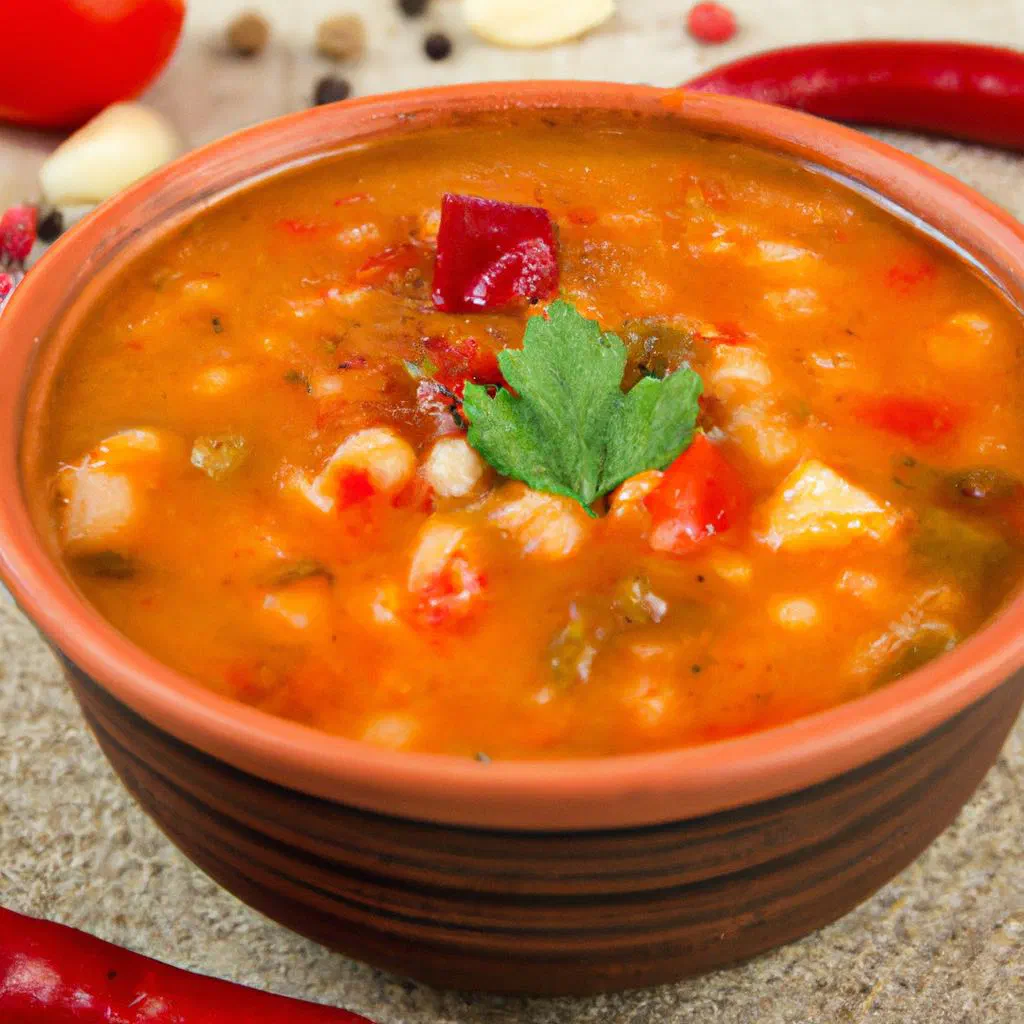
Step into the heart of Moroccan cooking with Harira, a soul-warming soup brimming with flavour. This much-loved national dish brings together ripe tomatoes, tender lentils and a fragrant blend of exotic spices for a bowl that comforts body and spirit alike. Harira is a wonderful way to taste the warmth and variety of North African cooking.
About Harira
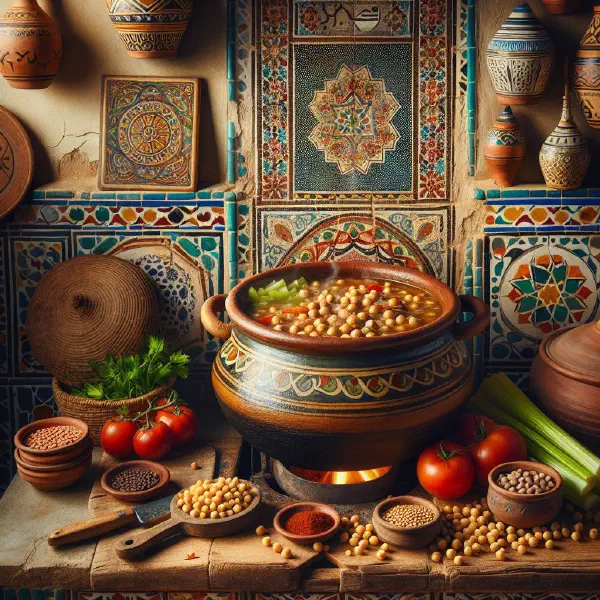
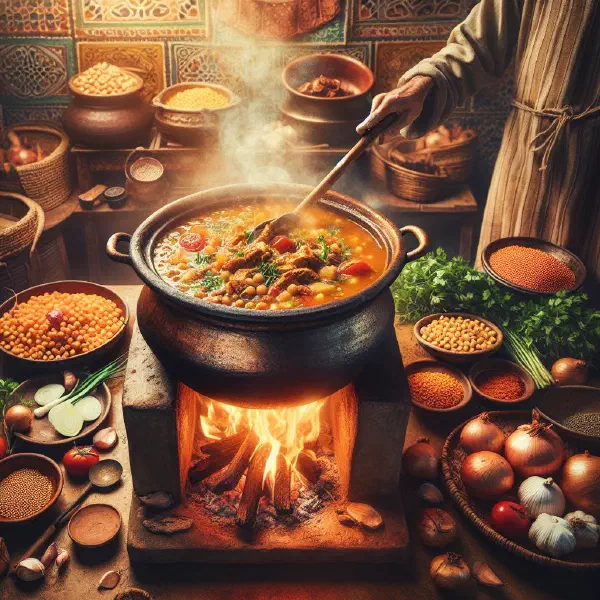
Harira is a hearty, nourishing soup that sits at the very centre of Moroccan cooking and is often regarded as the country’s national dish. This traditional bowl is especially treasured during the holy fasting month of Ramadan, when it is eaten to break the fast at sundown. Harira is defined by its rich combination of tomatoes, lentils, chickpeas and warming spices. Meat, usually lamb or beef, is a common but by no means essential addition. What makes harira so special is the depth and complexity of its flavour, built from a generous mix of fresh herbs and an array of spices.
Ingredients (serves 1–2)
- 1 tablespoon olive oil
- 1 small onion, chopped
- 2 cloves garlic, finely chopped
- 250 g lamb or beef, diced (optional)
- Salt and pepper, to taste
- 1 teaspoon ground ginger
- 1 teaspoon turmeric
- 1/2 teaspoon cinnamon
- 400 g tomatoes, diced, or 1 tin chopped tomatoes
- 1 litre water or meat stock
- 50 g red lentils
- 50 g chickpeas, soaked overnight
- 1 small bunch coriander, chopped
- 1 small bunch parsley, chopped
- 1 tablespoon tomato purée
- 1 teaspoon harissa (optional, for extra heat)
- 30 g rice or fine noodles
- Lemon wedges, to serve
Shopping for the ingredients
When shopping for harira, it is well worth choosing fresh vegetables and herbs to bring out the full flavour of the soup. If you opt for a non-vegetarian version, look for good-quality meat. The chickpeas and lentils should be free of cracks and as fresh as possible. Spices such as ginger, turmeric and cinnamon can be used either fresh or in ground form. If you buy dried chickpeas, remember to allow them plenty of time to soak before you start cooking.
Preparing the dish
Set aside enough time to prepare harira properly. Begin by soaking the chickpeas at least 8 to 12 hours before you plan to cook, so they soften through. Wash and finely chop the vegetables and herbs in advance. If you are working with dried, ground spices, sift them first to avoid any lumps. A little groundwork here makes the whole process run smoothly and lets the soup come together at a relaxed pace.
Step-by-step instructions
- Heat the olive oil in a large pan and gently sweat the onions until soft.
- Add the garlic and the meat, browning it on all sides, then season with salt and pepper.
- Stir in the ginger, turmeric and cinnamon and toast the spices briefly to release their aroma.
- Add the tomatoes and the tomato purée and cook until softened.
- Pour in the water or stock and bring everything to the boil.
- Add the soaked chickpeas and lentils and let the soup simmer for around 30 minutes.
- Now stir in the rice or noodles along with the coriander and parsley, and continue to simmer until everything is tender.
- Taste, then add harissa to your liking for extra heat.
- Serve the harira piping hot, garnished with lemon wedges.
Gluten-free / lactose-free version
Harira is naturally lactose-free and easily made gluten-free. For a gluten-free bowl, simply use rice in place of noodles, or leave out the added starch altogether, the lentils and chickpeas already give the soup plenty of body. Because the recipe relies on olive oil rather than butter or cream, it contains no dairy at all, making it a comforting choice for anyone with a lactose intolerance.
Tips for vegans and vegetarians
The beauty of harira lies in how readily it adapts. Vegetarians and vegans can simply leave out the meat and use a little more lentils and vegetables instead, swapping the meat stock for a vegetable one. The chickpeas and lentils provide ample protein, so the soup stays every bit as hearty and satisfying. Reach for fresh herbs and seasonal produce to keep the flavour bright and authentic.
More tips and tricks
For a richer, thicker soup, mix a few tablespoons of flour with a little water and stir it in towards the end of cooking. This gives harira a lovely, velvety texture. The longer the soup cooks, the more intense its flavour becomes, so do not hesitate to let it bubble away gently over low heat for a while. A final squeeze of lemon just before serving lifts everything beautifully.
Adapting the recipe to your taste
Harira is wonderfully versatile and easy to tailor to personal preference. Those who like it milder can simply reduce the quantity of spices, while anyone after more warmth can be generous with the harissa. You can lean further into the vegetarian side by piling in extra lentils and vegetables, or keep things traditional with tender lamb. The same spice-led approach shines in a hearty Couscous Tfaya, so feel free to experiment until the balance suits you.
Ingredient substitutions
If certain ingredients are not to hand, there are plenty of good alternatives. Chickpeas can be swapped for white beans, while lamb works just as well as chicken or beef. Tinned tomatoes stand in perfectly for fresh ones, and fresh spices can be replaced with their ground equivalents. Just keep an eye on the intensity and adjust the quantities to match. These swaps make it easy to adapt harira to whatever you have in the cupboard.
Drink pairing ideas
Harira pairs beautifully with mint tea or other herbal infusions, which echo the soup’s aromatic spices and add a cosy warmth. Light, refreshing drinks such as lemon water or orange juice offer a pleasant contrast to the dish’s savoury depth. These gentle pairings round out the meal without overpowering the layered flavours of the soup.
Serving and presentation ideas
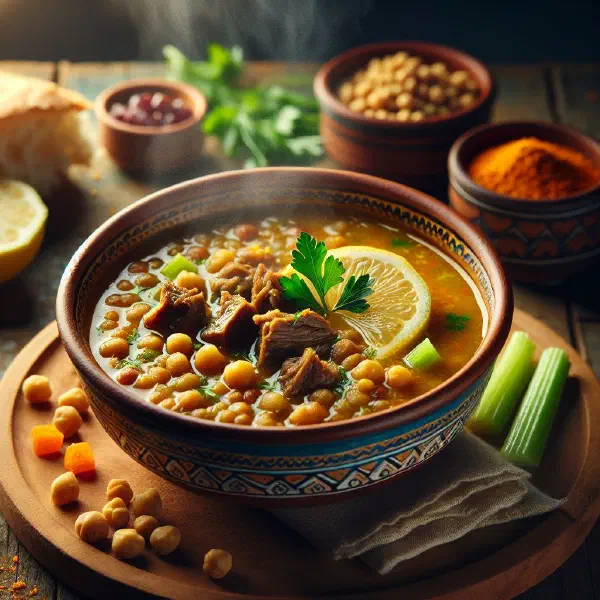
Serve harira in a deep bowl, garnished with fresh coriander or parsley and a squeeze of lemon juice. Bread, Moroccan flatbread in particular, makes a perfect partner, letting you dip and scoop for a truly authentic eating experience. A small platter of dates alongside is a lovely traditional touch, especially when the soup is served to break the fast.
A bit of history
The origins of harira reach far back into Moroccan history. Almost every region, and often every family, has its own recipe passed down through the generations. Harira was originally devised to deliver quick energy after a long day of fasting, and its combination of proteins, healthy fats and complex carbohydrates makes it a genuinely balanced meal. That deep-rooted heritage is part of what makes it such a cornerstone of Moroccan cuisine.
More recipe ideas
Summary: Harira
Moroccan harira is a dish steeped in tradition and full of flavour, one that adapts effortlessly to individual tastes. It offers a wonderful way to experience the warmth and variety of North African cooking. Harira is always a fine choice. Let this Moroccan classic inspire you and give it a try. It is sure to warm you from the inside out.