National Dish Morocco: Kaab el Ghazal (Recipe)
In this article
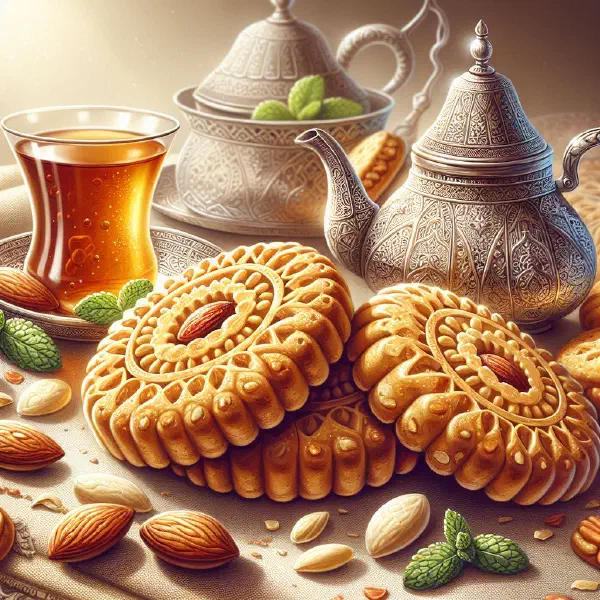
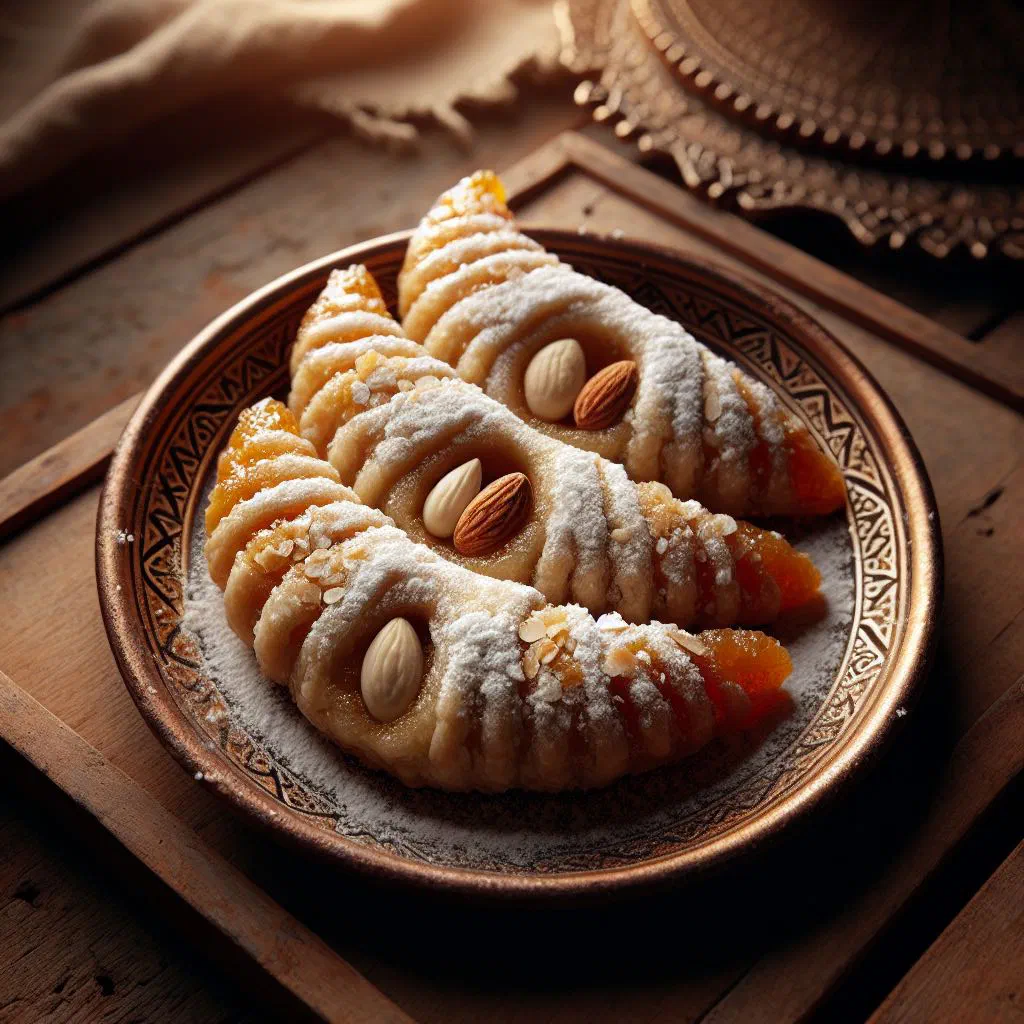
Discover Kaab el Ghazal, one of Morocco’s most treasured sweet treats. These delicate, crescent-shaped pastries hide a fragrant filling of ground almonds and warm cinnamon, perfumed with orange blossom water. Light, elegant and just sweet enough, they are the kind of thing you reach for with a glass of mint tea at a celebration or simply to round off a leisurely afternoon. Bring a little of the artistry of a Fès pastry kitchen straight to your own home.
About Kaab el Ghazal
Kaab el Ghazal is a traditional Moroccan pastry prized for its tender texture and its exquisite filling. Often shaped into crescents or triangles, it appears most frequently at festivals and on special occasions. The gentle sweetness and the aromas of almonds and cinnamon make it a much-loved snack or dessert that appeals to locals and visitors to Morocco alike. Preparing it is an art in its own right, one that reflects the deep cultural roots of the country.
Ingredients (serves 1–2)
- 250 g almonds (blanched and ground)
- 100 g icing sugar
- 1 tsp cinnamon
- 2 tbsp orange blossom water
- 250 g plain flour
- 125 g butter (softened)
- 1 pinch of salt
- 1 egg yolk (optional, for glazing)
Shopping for the ingredients
When shopping for the ingredients for Kaab el Ghazal, it is important to pay attention to the quality of the almonds. Use fresh, blanched almonds to achieve the best possible flavour. The icing sugar should also be of good quality to ensure an even sweetness throughout. Orange blossom water can often be found in Middle Eastern or oriental grocery shops, much like the fragrant ingredients that flavour Sfouf.
Preparing the dish
Before you begin making Kaab el Ghazal, set out all of your ingredients. Grind the almonds if you are using whole ones, then mix them with the icing sugar and cinnamon. The flour and butter should be at room temperature too, so that the dough comes together with a good consistency. These preparations make the whole process easier and help guarantee an excellent result.
Step-by-step instructions
- In a bowl, combine the almonds, icing sugar and cinnamon thoroughly.
- Add the orange blossom water and knead into a smooth, even paste.
- Separately, mix the flour, softened butter and salt in another bowl and work it into a smooth dough.
- Roll out the dough and cut out small rounds.
- Place a little of the almond mixture onto each round and press the edges together to seal them.
- Arrange the filled pastries on a baking tray and brush with egg yolk if you like.
- Bake in a preheated oven at 180°C for about 15–20 minutes, until golden brown.
Gluten-free / lactose-free version
For a gluten-free version of Kaab el Ghazal, you can use a gluten-free flour blend designed for baking. Ground nuts, or a mix of rice and potato flour, also work well as alternatives. If you would like to bake lactose-free, replace the butter with a lactose-free margarine or with coconut oil. This way the flavour and texture stay almost exactly the same.
Tips for vegans and vegetarians
Vegans can adapt the recipe for Kaab el Ghazal very easily by leaving out the egg yolk and using vegan margarine in place of butter. Instead of orange blossom water you might reach for other plant-based aromatics, such as rose water or vanilla extract. It is also worth choosing baking ingredients made entirely from plant-based sources to keep the texture right. That way vegans too can enjoy this delicious pastry.
More tips and tricks
To make the aromas in Kaab el Ghazal even more pronounced, lightly toast the almonds before grinding them. Take care not to leave the pastries in the oven for too long, or they will dry out. If you like, you can finish them off with a gentle dusting of icing sugar once they come out of the oven. These small touches will help you achieve the very best flavour.
Adapting the recipe to your taste
The filling of Kaab el Ghazal can be tweaked easily to suit personal preference. For a special twist, you might add pistachios or hazelnuts, or replace some of the almonds with these nuts. To vary the sweetness, honey or agave syrup can be worked into the filling. Variations like these keep things interesting and invite a bit of experimentation in the kitchen.
Ingredient substitutions
If you do not care for almonds or have a nut allergy, you can swap the nuts in Kaab el Ghazal for pumpkin seeds or sunflower seeds. For a gluten-free option, use a gluten-free flour as mentioned above. In place of orange blossom water, you might also use fruit juices such as almond or lime juice to create a fresh new flavour, a playful approach you could just as easily bring to Beghrir au Beurre. These adjustments help you shape the taste of the pastry exactly as you wish.
Drink pairing ideas
Aromatic teas pair beautifully with Kaab el Ghazal, mint tea or a fruity herbal infusion being natural choices. A glass of freshly squeezed orange juice can also complement the sweetness of the pastry wonderfully. For special occasions, alcohol-free cocktails built around citrus fruits make a lovely match. These combinations create a harmonious tasting experience.
Serving and presentation ideas
The presentation of Kaab el Ghazal can be elevated by arranging the pastries on a decorative plate or a colourful serving platter. A light dusting of icing sugar and a few fresh mint leaves lend the pastries an elegant finish. Using colourful paper liners or traditional Moroccan textiles as a backdrop can enhance the look still further. An attractive presentation makes the whole experience memorable, much as it does with celebratory dishes like Seffa Medfouna.
A bit of history
The history of Kaab el Ghazal stretches back to the 16th century, when it became popular in the Moroccan royal city of Fès. Ever since, the pastry has been a fixture of Moroccan culture, prepared for festivals and celebrations. It reflects the influences of the many cultures that have enriched Moroccan cooking over the centuries. This tradition is passed down from generation to generation, making Kaab el Ghazal an important piece of cultural heritage within Moroccan cuisine.
More recipe ideas
Summary: Kaab el Ghazal
All in all, Kaab el Ghazal offers a memorable flavour and a glimpse into the rich culture and tradition of Morocco. With good-quality ingredients and a little skill in the kitchen, anyone can make and enjoy this delicious pastry. Be creative as you bake and adapt the recipe to your own taste to get the very best from this culinary treasure. Enjoy Kaab el Ghazal with friends and family to celebrate both its flavours and its traditions.