National Dish Morocco: Makrout (Recipe)
In this article
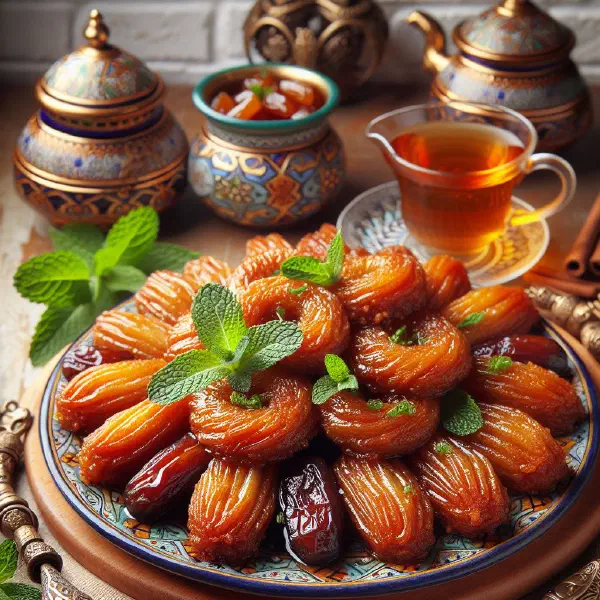
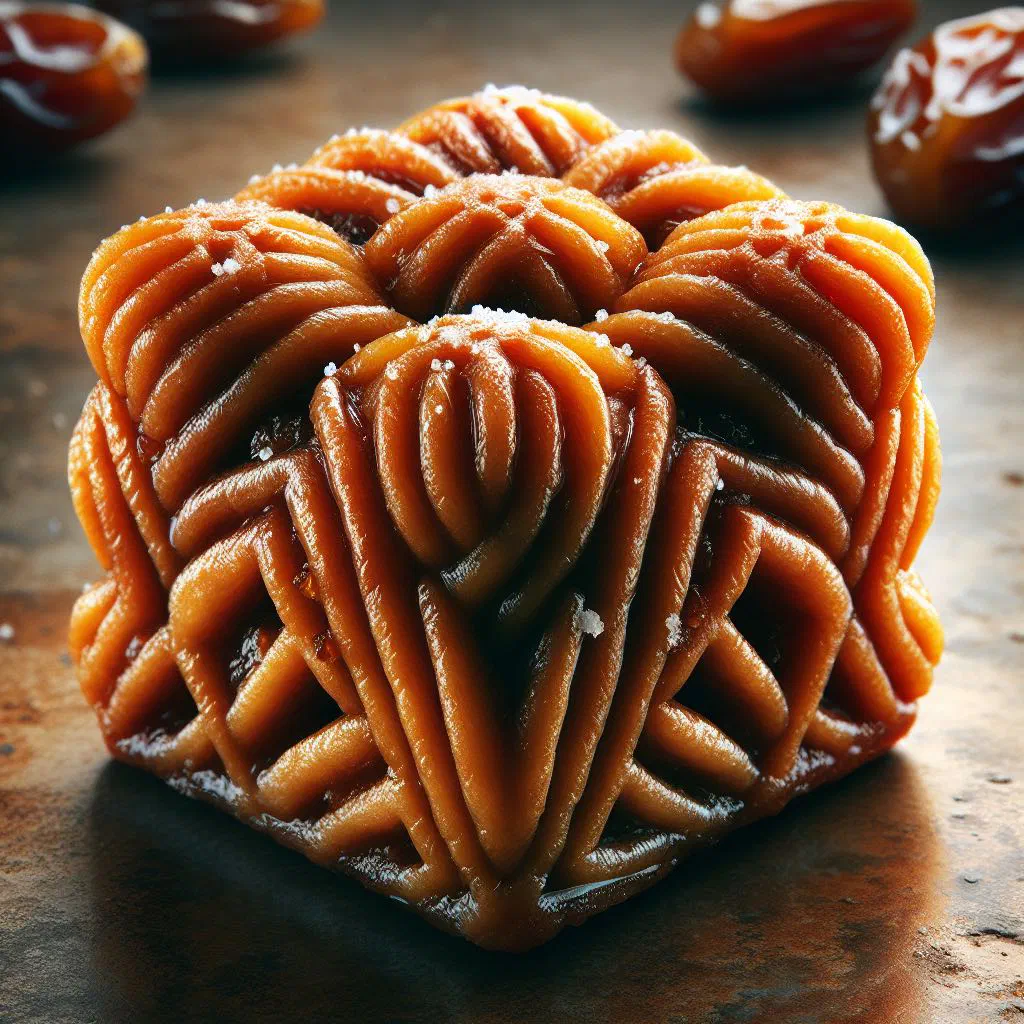
Treat yourself to Makrout, one of Morocco’s best-loved sweet pastries. These little diamond-shaped morsels pair a tender semolina dough with a rich, spiced date filling, then crisp up to a beautiful golden brown in hot oil. Warmed through with cinnamon and often finished with a drizzle of honey, they are a wonderful snack or dessert for festive occasions and quiet afternoons alike. Bring the fragrant flavours of Morocco straight to your own kitchen.
About Makrout
Makrout is a traditional Moroccan pastry that appeals to with its delicious taste and with its lovely golden-brown colour. The main ingredients are semolina and dates, brought to life with aromatic spices that make every bite a treat. These filled pieces of dough are especially popular as a snack or a dessert and are perfect for celebratory gatherings. Dive into the flavours of Morocco and enjoy the unmistakable taste of this special dish, a real jewel of Moroccan cuisine.
Ingredients (serves 1–2)
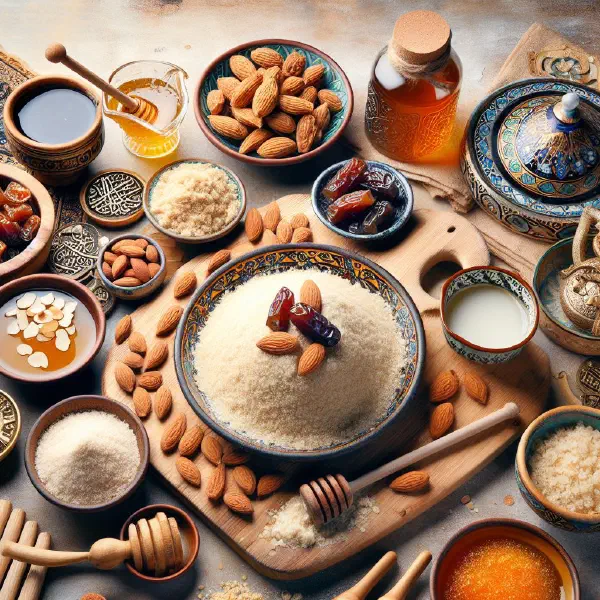
- 250 g durum wheat semolina
- 100 g dates (stoned and puréed)
- 50 ml water
- 1 tsp cinnamon
- 1 pinch of salt
- Oil for frying
- Optional: honey for drizzling
Shopping for the ingredients
To make makrout, the ingredients are easy to find in most supermarkets or in North African and Middle Eastern grocers. When buying dates, look for ones that are fresh and free from additives to guarantee the best flavour. Choose a good-quality semolina too, as this has a real bearing on the texture of the finished pastries. You might also pick up quality spices such as cinnamon to deepen that authentic taste.
Preparing the dish
The preparation for makrout is simple and does not take much time. Start by puréeing the dates to give you a smooth, even filling. Next, mix the durum wheat semolina with the water, the cinnamon and a pinch of salt to form a supple dough. Let the dough rest for at least 30 minutes so it can absorb the liquid properly and the texture comes out just right.
Step-by-step instructions
- Mix a dough from the durum wheat semolina, water and spices, then leave it to rest.
- Purée the dates, season to taste and set the filling aside.
- Roll out a small portion of dough and spread it with the date filling.
- Shape the dough into a roll and cut it into even pieces.
- Heat the oil in a pan and fry the pieces until golden brown.
- Optional: drizzle the finished makrout with honey and serve warm.
Gluten-free / lactose-free version
Makrout can also be made in a gluten-free version. Simply swap the durum wheat semolina for gluten-free flour or a mix of rice flour and cornflour. This recipe is already lactose-free as long as you avoid any products containing milk. That way everyone can enjoy this Moroccan treat, whatever their particular dietary needs.
Tips for vegans and vegetarians
Makrout is naturally vegan, provided you do not use any animal products such as butter in the preparation. For a richer filling, vegans can also add nuts or dried fruit. Take a moment to check the dates carefully to make sure they contain nothing that is not vegan. This keeps the recipe not only tasty but wholesome and nourishing too.
More tips and tricks
To get the best results when making makrout, make sure the oil is hot enough before you add the pieces of dough. This helps them colour evenly without turning greasy. After frying, let the pieces drain briefly on a sheet of kitchen paper. Experiment with different fillings as well, to keep things varied and interesting, the same spirit of playfulness that makes Sfouf so much fun to bake.
Adapting the recipe to your taste
The filling for makrout can be tailored entirely to your own taste. You might combine the dates with ingredients such as almond paste, walnuts or even chocolate. You can vary the spices too, adding cloves or cardamom alongside the cinnamon.
Ingredient substitutions
If you are not keen on dates, or simply cannot find any, you can also make the filling with figs or apple purée. For an aromatic touch, add dried cranberries or raisins. The durum wheat semolina can be replaced with breadcrumbs or rice flakes to achieve different textures. This keeps the dish exciting and full of variety.
Drink pairing ideas
Makrout goes wonderfully with classic Moroccan drinks such as mint tea or Arabic coffee. These beverages complement the sweetness of the makrout perfectly. For a refreshing change, you could also serve fruit juices such as pomegranate juice or orange juice. A mild yoghurt drink makes a delicious accompaniment as well, and it pairs just as nicely with light bites like Beghrir au Beurre.
Serving and presentation ideas
To serve makrout in style, arrange the pieces on a beautiful serving plate and dust them with icing sugar. Garnish with fresh herbs or nuts to lift the overall look. You can also use small porcelain dishes to present the different fillings. An appealing presentation makes the dish even more appealing and leaves a lasting impression on your guests, much like a generous platter of Msmen au Miel at the table.
A bit of history
The story of makrout reaches far back into Moroccan culture and tradition. This pastry was traditionally prepared for special occasions, festivals or during Ramadan. The methods and recipes vary from region to region, giving rise to a wonderful diversity of flavours and textures. Makrout symbolises Moroccan cuisine and brings families together and creates memorable memories.
More recipe ideas
Summary: Makrout
Makrout is a delicious and versatile Moroccan dish that is easy to make and perfect for all kinds of occasions. Bring together its rich array of flavours and experiment with different fillings and ways of presenting it. Makrout is sure to please your guests and carry them off on a tour to Morocco. Let it inspire you and enjoy the wonderful world of Moroccan cuisine.