National Dish Morocco: Mhadjeb (Recipe)
In this article
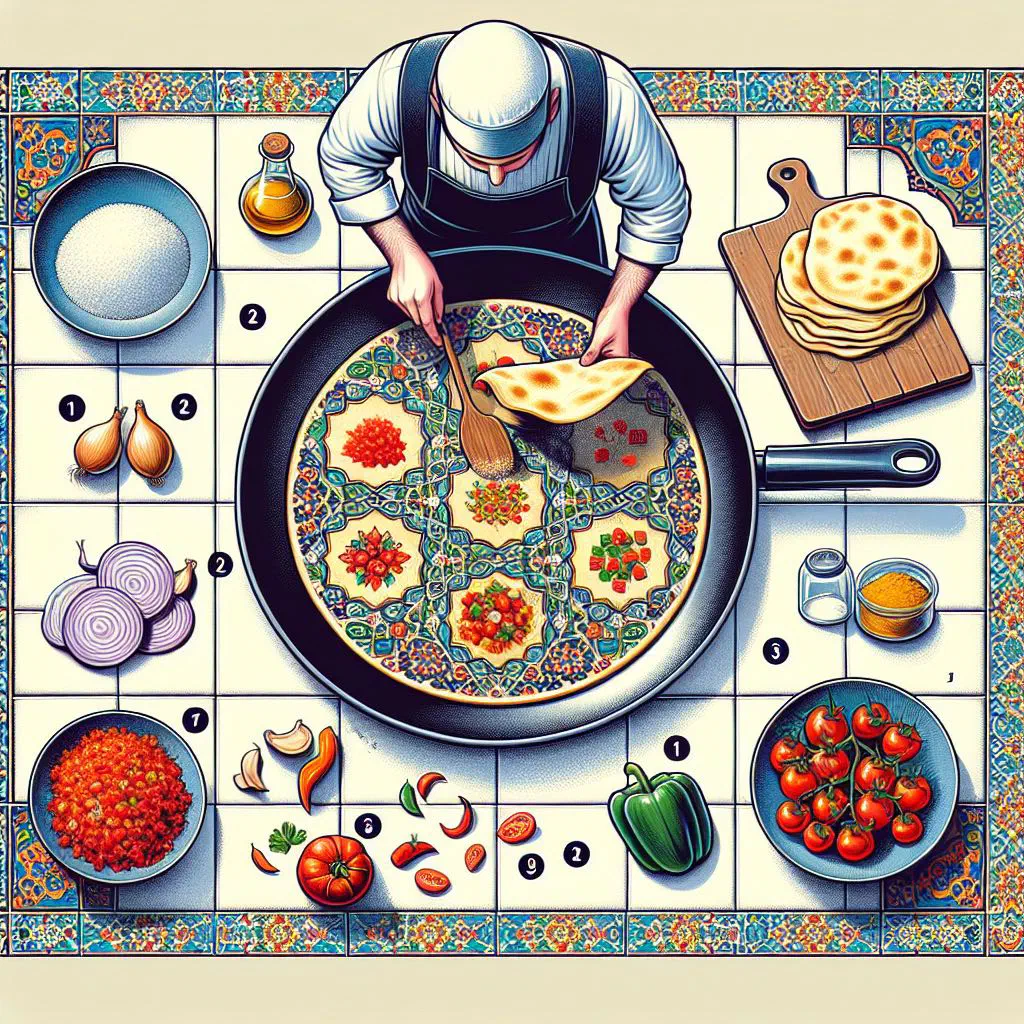
Discover Mhadjeb, a much-loved street food from Morocco. These thin, pan-fried flatbreads are folded around a savoury filling of slow-cooked tomatoes, onions and warm spices. Crisp at the edges yet tender within, they make a brilliant snack and an equally satisfying main. With every bite you bring the lively flavours of a North African souk straight to your own kitchen.
About Mhadjeb
Mhadjeb is a traditional Moroccan dish that wins people over with its distinctive flavour and with how versatile it is to make. The contrast between the thin, supple flatbread and its hearty filling is what makes it such a treat. It is often served as a snack, yet it works just as well as a main course. A generous mix of spices gives the dish a memorable depth, drawing on the warm, fragrant character of Moroccan cooking.
Ingredients (serves 1–2)
- 250 g plain wheat flour
- 150 ml water
- 1 large onion, diced
- 2 ripe tomatoes, diced
- 2 tablespoons olive oil
- 1 teaspoon paprika
- 1 teaspoon cumin
- Salt and pepper, to taste
- Fresh parsley, to garnish
Shopping for the ingredients
When shopping for Mhadjeb, choosing fresh, good-quality produce is the surest way to get the best result. Reach for ripe tomatoes and fragrant onions to deepen the flavour of the filling. The flour should be finely milled so the flatbreads roll out thin and turn crisp in the pan. Make sure your spices are fresh too, as this is what brings out the full aroma of the dish.
Preparing the dish
Preparing Mhadjeb is straightforward and needs only a little groundwork. First, dice the onions and tomatoes and set your spices to hand. The flour is kneaded with water into a smooth dough, which should then rest for a while. This resting step makes all the difference, giving the dough the right elasticity so the flatbreads roll out evenly and come together well.
Step-by-step instructions
- In a large bowl, combine the flour with the water and knead into a smooth dough.
- Divide the dough into small balls, cover them and leave to rest.
- Sauté the onions in a pan with olive oil over medium heat until golden brown.
- Add the diced tomatoes and the spices, then let the filling simmer for a few minutes.
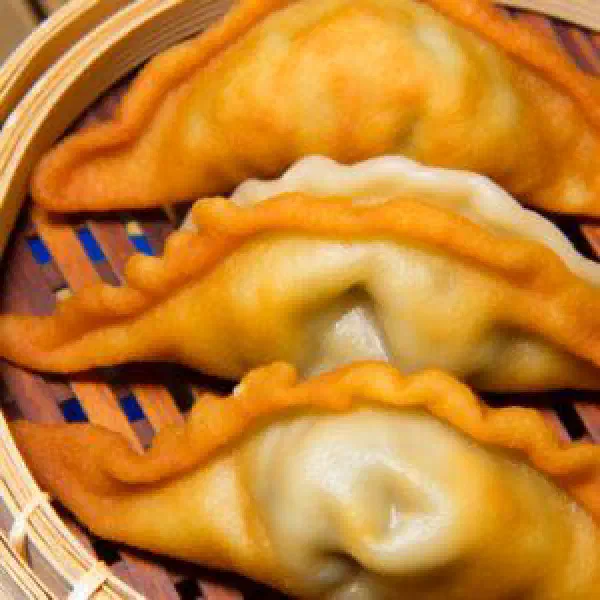
- Roll the dough out thinly, spoon in the filling and fold it up, sealing the edges well.
- Fry the stuffed flatbreads in a hot pan on both sides until golden brown.
- Serve warm and garnish with fresh parsley to taste.
Gluten-free / lactose-free version
For a gluten-free Mhadjeb, you can swap the wheat flour for rice flour or almond flour. These flours make an excellent base for the dough and can be used in the same quantity as wheat flour. Just check that all your other ingredients, especially the spices, are gluten-free as well. The method stays exactly the same, and the result is every bit as delicious. As the filling contains no dairy, the dish is naturally lactose-free too.
Tips for vegans and vegetarians
Mhadjeb is already a successful vegetarian dish, and it is easily adapted for vegans. You can build out the filling with vegetables such as peppers or spinach for even more flavour and nourishment. Simply avoid animal products by making sure every ingredient is plant-based. That way vegans can enjoy this Moroccan classic just as much as everyone else at the table.
More tips and tricks
A few extra touches can make Mhadjeb even tastier. Experiment with different fillings, such as olives or feta cheese, to add a Mediterranean note. It also helps to let the dough rest properly so you end up with more elastic flatbreads. And do not forget to heat the pan well before you fry the flatbreads, much as you would for a batch of Batbout.
Adapting the recipe to your taste
The great versatility of Mhadjeb means you can tailor the recipe to your own preferences. Adjust the spices to reach the level of heat you like best. You can also vary the filling however you fancy, working in pulses such as chickpeas for extra body. This way your Mhadjeb becomes entirely your own while still staying authentic, in the same spirit as a comforting bowl of Chakchouka.
Ingredient substitutions
If you do not have every ingredient to hand, there are easy alternatives. In place of fresh tomatoes you can use passata to put the filling together quickly and with little fuss. If you have no cumin available, a little curry powder will give a different but pleasant flavour.
Drink pairing ideas
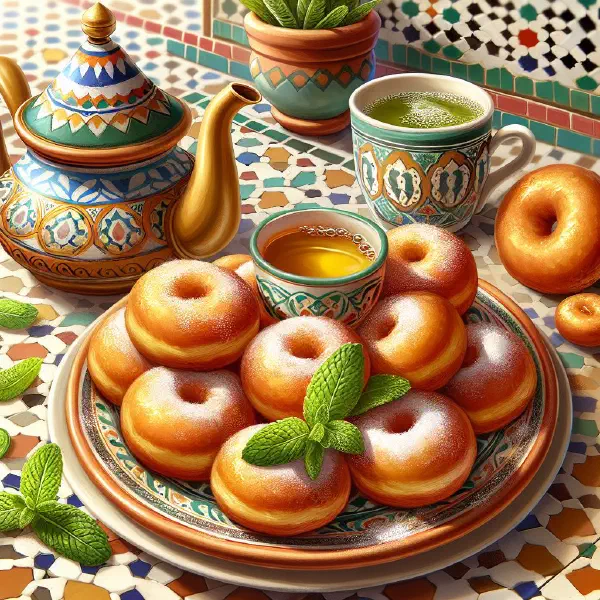
Several drinks pair beautifully with Mhadjeb. A classic minty Moroccan tea sits in perfect harmony with the dish’s warm, spiced flavours. Alternatively, a refreshing lemon and mint water cleanses the palate between bites. For another non-alcoholic option, try a fruity pomegranate and mint drink that rounds off the Moroccan tradition of hospitality at the table.
Serving and presentation ideas
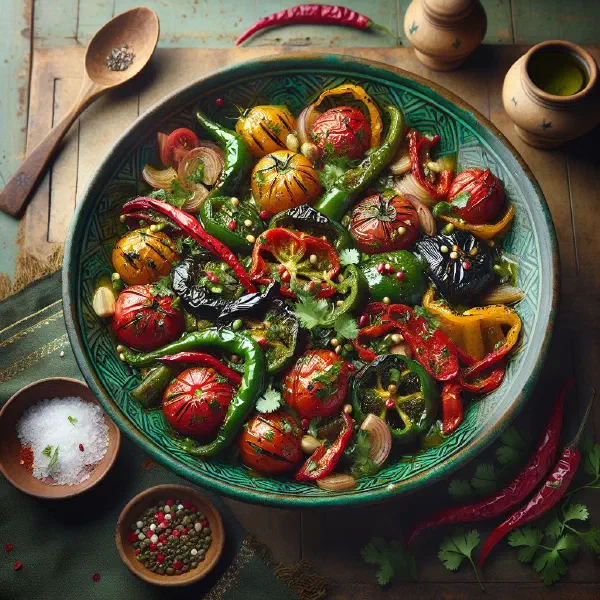
A thoughtful presentation can lift the whole Mhadjeb experience. Serve the flatbreads on a colourful, decorative platter that reflects Moroccan style. Scatter the flatbreads with a little fresh parsley and offer a bowl of yoghurt or a dipping sauce alongside. Presented this way, your dish looks every bit as inviting as it tastes, much like a bright plate of Taktouka.
A bit of history
Mhadjeb has a long history in North African cooking and is often enjoyed as street food. It is a popular dish with roots in Berber cuisine, and it is especially well established in rural regions. Traditionally the flatbreads are made at home and shared among family or with friends, creating further moments of pleasure and togetherness. The dish embodies the hospitable culture of Morocco, a country that takes pride in its rich flavours and culinary traditions.
More recipe ideas
Summary: Mhadjeb
In short, Mhadjeb is more than just a dish. It is a piece of Moroccan culture on your plate. With its distinctive filling and simple preparation, it appeals to both as a snack and as a main course. Its adaptability and versatility mean everyone can enjoy its unmistakable flavour, whether vegetarian, vegan or following their own particular tastes. Make Mhadjeb at home and discover the wonderful range of flavours that defines Moroccan cuisine.