National Dish Morocco: Prune Tagine (Recipe)
In this article
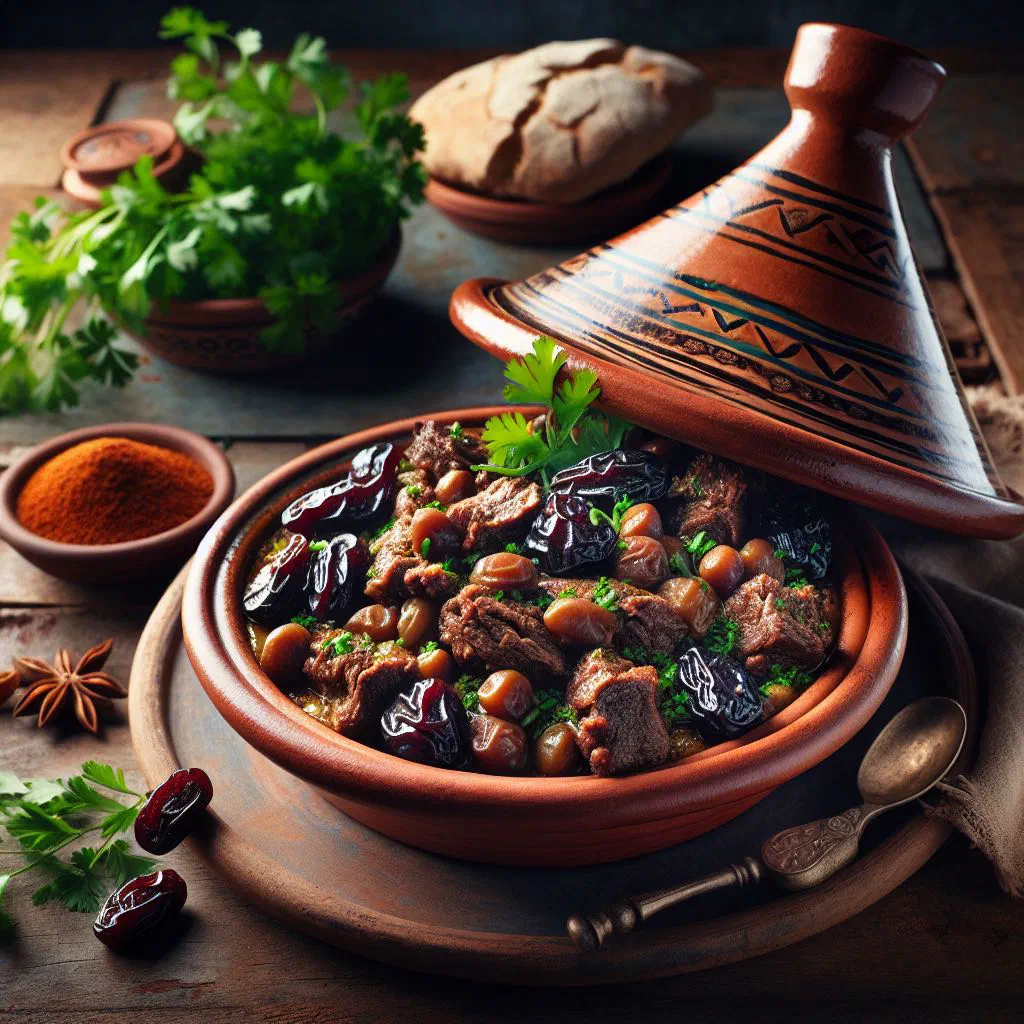
Discover Prune Tagine, one of Morocco’s most beloved dishes. Tender meat slow-cooked with sweet, glossy prunes and a fragrant blend of warming spices comes together in a single earthenware pot for a meal that is at once sweet and savoury. With the comforting aromas of cinnamon, ginger and cumin filling the kitchen, this is the kind of dish that turns an ordinary evening into something memorable. Bring the soul of a Marrakech kitchen straight to your own table.
About Prune Tagine
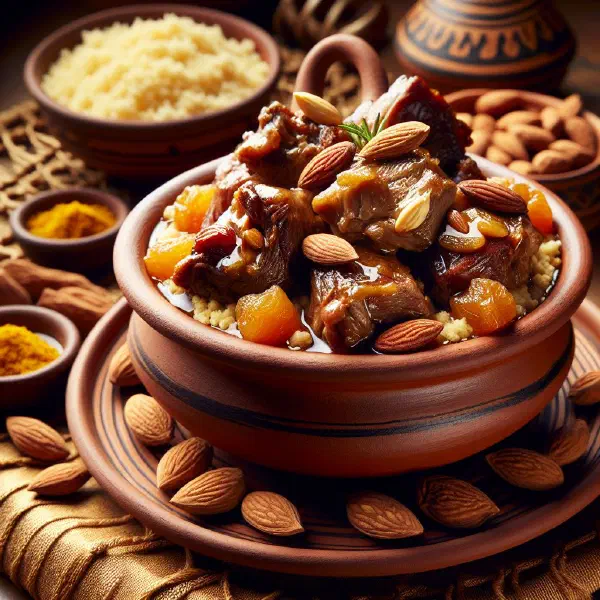
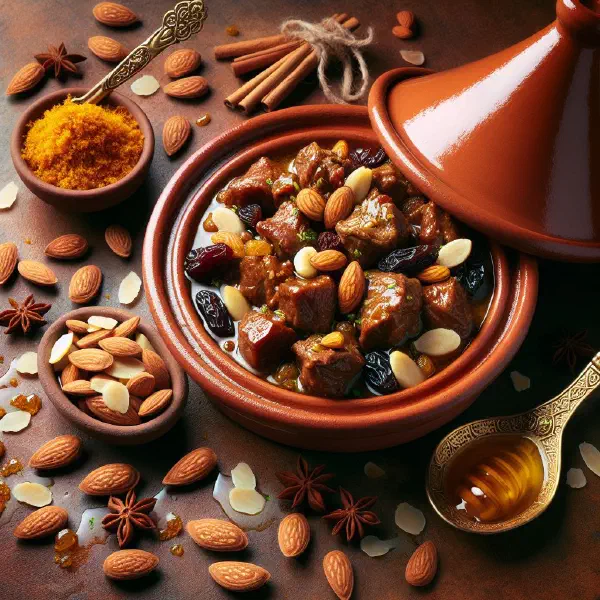
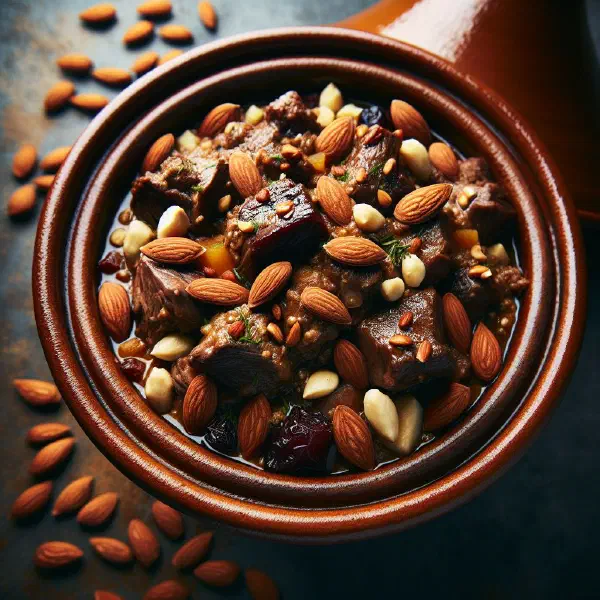
Prune Tagine is an outstanding example of Moroccan cuisine, weaving together a wide range of flavours in beautifully harmonious fashion. The dish is cooked in a traditional tagine, a cone-lidded clay pot prized for the way it concentrates and intensifies aromas as the food gently steams. Tender meat, usually lamb or chicken, is paired with sweet prunes and a selection of warming spices to create a flavour profile that is both sweet and savoury. Hugely popular at home in Morocco, the dish has also won international acclaim, making it a must-try for any food lover.
Ingredients (serves 1–2)
- 300 g lamb, cubed
- 100 g dried prunes, stoned
- 1 onion, finely chopped
- 2 cloves garlic, crushed
- 1 tsp cinnamon
- 1 tsp cumin
- 1 tsp ground ginger
- 2 tbsp honey
- Olive oil
- Salt and pepper, to taste
- Fresh coriander leaves, to garnish
Shopping for the ingredients
When shopping for Prune Tagine, it is well worth choosing fresh, good-quality produce to get the very best flavour. Visit a local market or a well-stocked supermarket to track down the meat and spices. Pay particular attention to the dried prunes. They should have a glossy, soft texture and a natural, sweet aroma. The spices should be fresh too, so they release their full fragrance and turn the dish into a real treat for the senses.
Preparing the dish
Preparing Prune Tagine begins with cutting the meat into even cubes, finely chopping the onion and crushing the garlic. This ensures everything cooks quickly and evenly. The prunes should also be soaked in warm water before use so they turn soft and juicy. These small steps of groundwork are crucial to the texture and flavour of the finished dish, much as careful prep underpins a good Couscous Tfaya.
Step-by-step instructions
- Heat the olive oil in the tagine or a heavy-based pot over medium heat.
- Add the chopped onion and garlic and fry until golden brown.
- Add the cubed meat and brown it on all sides.
- Sprinkle over the cinnamon, cumin, ginger, salt and pepper, then stir well to coat.
- Add the soaked prunes and the honey, stir through, then cover and leave to simmer gently over low heat for around 1.5 to 2 hours.
- Stir and spoon the sauce over the meat from time to time so it turns meltingly tender and the flavours can develop.
- Serve the tagine piping hot, garnished with fresh coriander leaves.
Gluten-free / lactose-free version
Prune Tagine is naturally gluten-free and lactose-free, which makes it an excellent choice for anyone with particular dietary needs. Simply use fresh ingredients and check that your spices contain no hidden gluten-bearing additives. Because the recipe relies on fresh meat and contains no dairy, the dish stays light and easy to digest. Enjoy all those rich aromas without a second thought.
Tips for vegans and vegetarians
For a vegan or vegetarian take on Prune Tagine, swap the meat for vegetables such as chickpeas, squash or aubergine. These bring a hearty, satisfying bite that sits beautifully alongside the sweet prunes and warming spices. Cook the vegetables a little longer to coax out their full flavour. With a splash more vegetable stock and a touch of extra honey, the dish stays tasty and filling for everyone at the table.
More tips and tricks
Good planning is the key to a successful Prune Tagine. Prepare your ingredients in advance to keep the cooking time short and the whole process relaxed. Slow cooking over low heat brings the flavours out perfectly, which is exactly why a tagine or a heavy casserole is ideal. Experiment with other dried fruits such as apricots or dates to add even more variety to the dish.
Adapting the recipe to your taste
Prune Tagine lends itself wonderfully to personal preference. If there are spices you would rather leave out, simply drop them or swap them for others. You can crank up the heat with a pinch of cayenne pepper, for example, or adjust the sweetness using maple syrup or agave nectar.
Ingredient substitutions
When making Prune Tagine, it is sometimes handy to have alternatives up your sleeve. If lamb is unavailable, beef or chicken work just as well. Simply adjust the cooking time to suit. In place of prunes you could use other dried fruits such as dates or figs to achieve a similar sweetness, the same fruity touch that lifts a Tajine de Poisson. The choice of spices can vary too, so feel free to experiment with your own favourites.
Drink pairing ideas
To round off the Prune Tagine experience, it pays to choose your drinks with care. A glass of fresh mint tea is the classic companion in Moroccan cooking and pairs perfectly with the dish’s natural sweetness. Alternatively, a fruity wine or a selection of soft drinks with citrus notes works nicely too. Whatever you pour, it should complement and lift the spices and sweetness of the tagine.
Serving and presentation ideas
Presentation matters just as much as flavour with Prune Tagine. Serve the dish straight from the tagine itself to keep that authentic look and aroma. Garnish with fresh herbs and perhaps a side of couscous or warm bread to add a little colour and texture, much like a serving of Batbout. Bright serving plates help create an inviting spread that appeals to your guests and reflects the warmth of Moroccan dining.
A bit of history
Prune Tagine has its roots in Morocco’s history. The tagine itself is not merely a cooking vessel but a cultural symbol that plays a central role in Moroccan society. Many dishes are traditionally cooked in a tagine, as the pot lends itself to cooking over an open flame while preserving every aroma. More than just a meal, it is part of the Moroccan tradition of hospitality, with its emphasis on community and the joy of sharing food.
More recipe ideas
Summary: Prune Tagine
Prune Tagine is far more than just a dish; it is a tour into the captivating world of Moroccan cooking. The harmonious union of tender meat and sweet prunes, woven through with a wealth of spices, makes this meal a memorable experience. Both the traditional method of cooking in a tagine and the dish’s rich aromas offer real pleasure for all the senses. Let it inspire you and discover for yourself the variety this wonderful dish has to offer.