National Dish Morocco: Rghayef (Recipe)
In this article
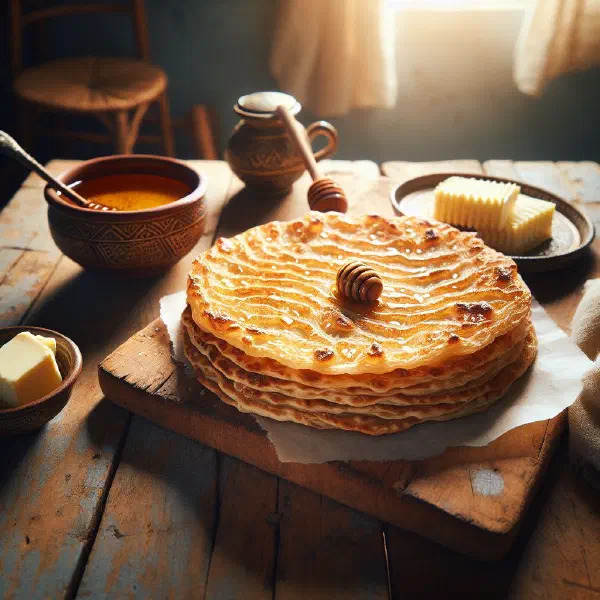
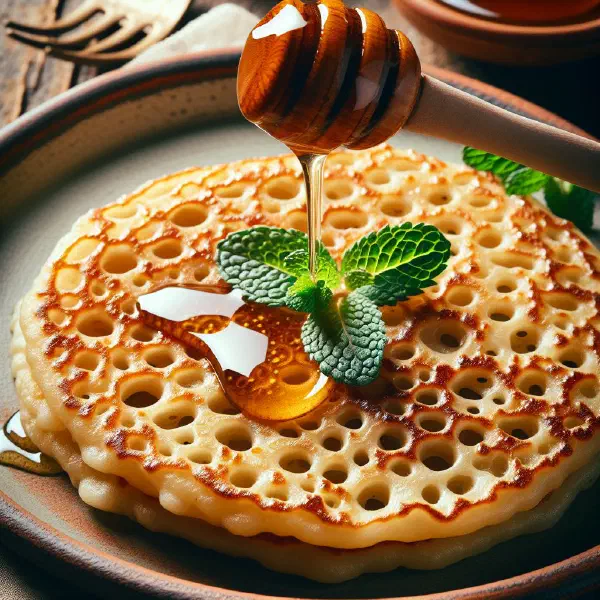
Discover Rghayef, one of Morocco’s most beloved treats. These tender, layered flatbreads are folded around a filling of your choosing, turning out flaky on the outside and soft within. Equally at home as a sweet snack or a savoury meal, they bring the warmth and generosity of Moroccan hospitality straight to your table. With a little practice, you can recreate this traditional favourite in your own kitchen and serve it the way it has been enjoyed for generations.
About Rghayef
The history of Rghayef stretches far back and is closely woven into Moroccan culture. They were once reserved for special occasions, but over time they have become an everyday pleasure in many households. Rghayef are made from a very thin dough that is filled and then folded, creating a wonderful interplay of textures and flavours. They are a pleasure for the palate and a feast for the eyes, which is why they have earned a lasting place in Moroccan cuisine.
Ingredients (serves 1–2)
- 200 g flour
- 100 ml water
- 1 pinch of salt
- 2 tablespoons oil (such as olive oil or sunflower oil)
- Filling of your choice (such as minced meat, cheese, spinach, or fruit for the sweet version)
- Butter, for brushing
Shopping for the ingredients
The ingredients for rghayef are generally easy to find in most supermarkets or Asian grocery shops. When buying the flour, pay attention to quality, as this has a decisive effect on the consistency of the dough. For the filling you can give your creativity free rein and lean towards local ingredients. Fresh herbs and spices in particular lend the rghayef an intense aroma and turn the dish into something truly special, much as they do in a savoury Harcha au Fromage.
Preparing the dish
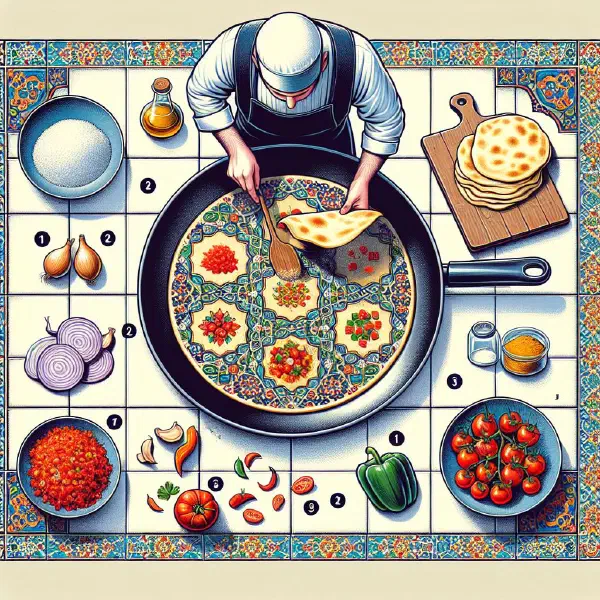
Preparing rghayef is both exciting and straightforward. Begin by making the dough: combine the flour, water, salt and oil thoroughly until you have a smooth, homogeneous mass. Then leave the dough to rest for around 30 minutes so it can relax and become easier to work with. Rolling out the dough takes a little skill, but with a bit of practice you will soon get the knack of it.
Step-by-step instructions
- Make the dough from flour, water, salt and oil, then leave it to rest.
- Roll the dough out thinly on a floured surface.
- Spread the filling evenly over the rolled-out dough.
- Carefully fold the dough together and fry it in a pan with a little butter.
- Fry both sides until golden brown and serve warm.
Gluten-free / lactose-free version
The recipe for rghayef adapts easily to special dietary needs. For a gluten-free version, you can swap the wheat flour for a gluten-free flour such as rice or buckwheat flour. For a lactose-free version, replace the butter with plant-based alternatives like coconut oil or margarine. These adjustments make the recipe accessible to more people without compromising on flavour.
Tips for vegans and vegetarians
For a vegan take on rghayef, a filling of vegetables, pulses or tofu works beautifully. Take care that every ingredient you use is free from animal products. If you are going meat-free, you can also experiment with spices and fresh herbs to deepen the flavour of your filling. Rghayef are highly adaptable, which makes them wonderful to combine with seasonal ingredients. Try them alongside a vegetable-rich Salade Zaalouk.
More tips and tricks
To make rghayef even more delicious, reach for fresh herbs and a variety of spices to add to your filling. Parsley, coriander and cumin harmonise wonderfully with many ingredients and give the dish a fresh note. Prepare a dipping sauce alongside to round off the eating experience. Experiment with different textures in the filling to create interesting flavour combinations.
Adapting the recipe to your taste
Rghayef offer countless ways to adapt them to personal preference. If you like things spicy, add chilli powder or other fiery spices. For a sweet variation, combine fruit such as apples, dates or almonds with cinnamon and sugar. The range of fillings is endless, so you can make every version every bit as appealing as you like.
Ingredient substitutions
If certain ingredients are not to your liking or simply unavailable, do not be afraid to experiment. Minced meat, for example, can be replaced with Quorn or, for the sweet version, with a mix of nuts and dried fruit. You can vary the oil too, using coconut oil instead of olive oil. Give your creativity free rein and tailor the recipe to your own taste, just as you would when fine-tuning a hearty Khlii.
Drink pairing ideas
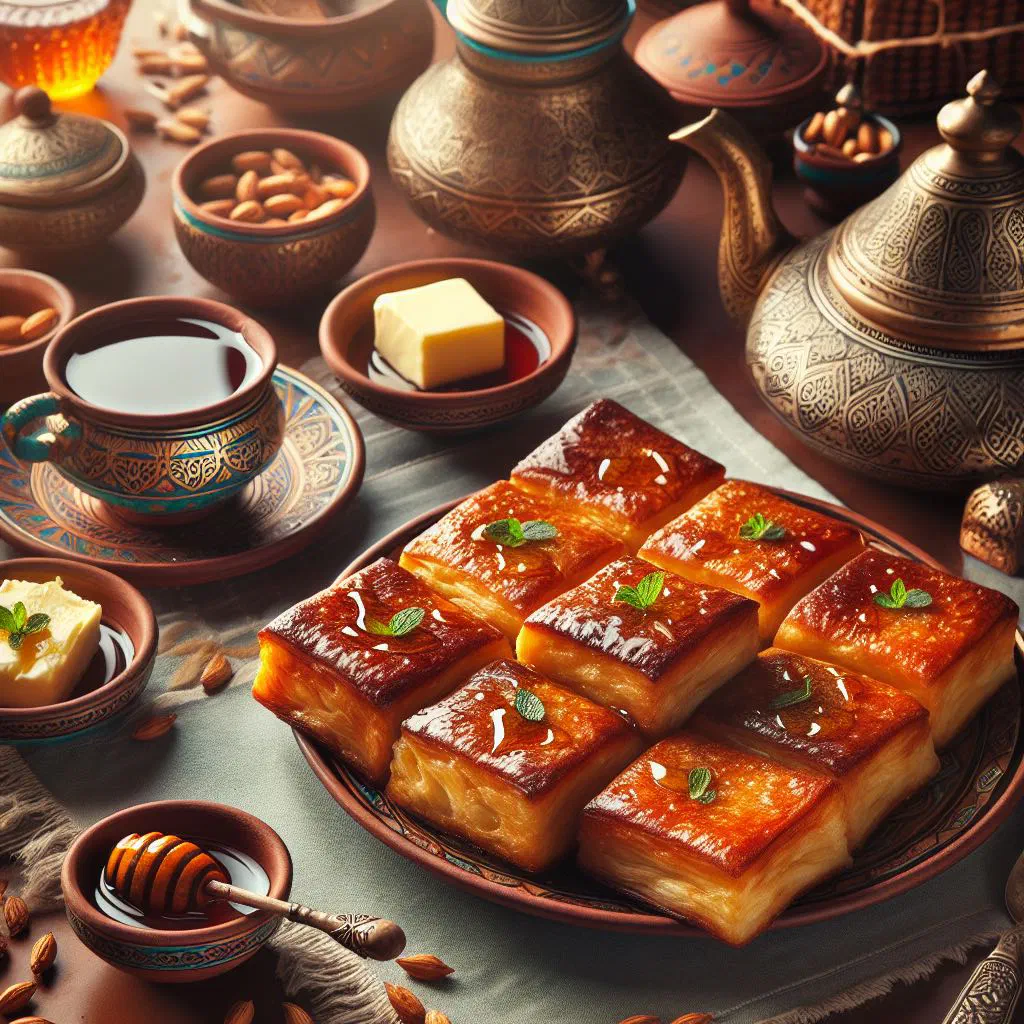
A range of drinks pairs perfectly with rghayef. A traditional Moroccan mint tea is an excellent choice, complementing the flavours of the dish beautifully. Alternatively, you could serve freshly squeezed orange juice or a light, sparkling water with lemon. Experiment with different drinks to find the perfect combination.
Serving and presentation ideas
Presentation plays an important part in impressing your guests with rghayef. Serve the flatbreads on a colourful plate and garnish them with fresh herbs for an inviting look. A small bowl of dipping sauce beside the dish looks lovely and encourages an interactive, sociable way of eating. Remember that the atmosphere at the table has a big influence on the overall experience too.
A bit of history
Rghayef are not merely a dish but a part of Morocco’s rich and varied history. Their preparation and enjoyment have a long tradition in Moroccan culture. This dish brings together influences from the many regions and cultures that have come together in Morocco over the centuries. As a result, rghayef serve up a flavour and a slice of history on the plate, in the same spirit as a celebratory Couscous Tfaya.
More recipe ideas
Summary: Rghayef
Rghayef are a delicious example of the versatility of Moroccan cuisine. From savoury to sweet fillings, this dish offers a memorable taste experience with endless room for adaptation. The preparation is both simple and rewarding, and paired with the right drink it becomes a wonderful tour. Give this traditional dish a try and let the flavours of Morocco enchant you.