National Dish Morocco: Sfenj (Recipe)
In this article
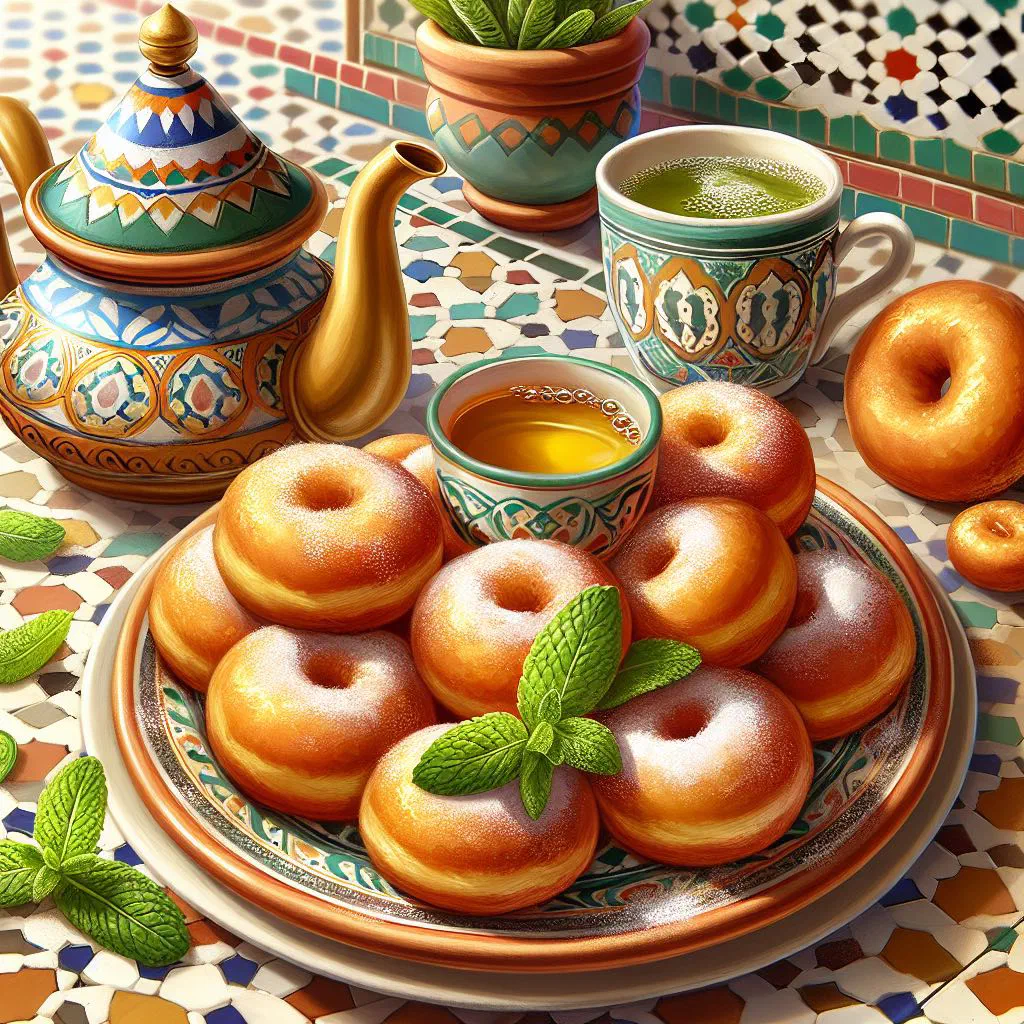
Meet Sfenj, the airy, lightly sweet doughnut rings that perfume Moroccan markets and street corners every morning. Pulled from bubbling oil and best eaten warm, these fried yeast rings are the perfect companion to a glass of sweet mint tea. Light, springy and just a little indulgent, they capture the warmth and hospitality of Moroccan culture in every bite. Bring a taste of the medina straight to your own kitchen.
About Sfenj
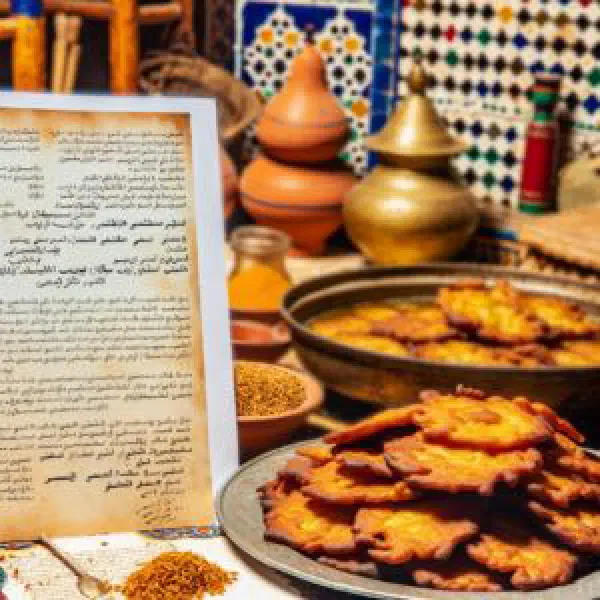
Sfenj is a much-loved Moroccan speciality, often served as a snack or alongside a steaming cup of tea. These fried yeast rings are prized above all for their wonderfully airy texture and gentle sweetness. Across Morocco you will find them everywhere, in busy markets, at roadside stalls and in traditional cafés. They are a treat for the palate and a popular choice for celebrations and special occasions, a humble pleasure woven deep into everyday life.
Ingredients (serves 1–2)
- 250 g plain wheat flour
- 150 ml lukewarm water
- 1/2 cube fresh yeast
- 1 teaspoon sugar
- 1 pinch of salt
- Oil for deep-frying
- Icing sugar, for dusting (optional)
Shopping for the ingredients
The ingredients for sfenj are easy to find in most supermarkets or local grocery shops. Be sure to buy fresh yeast, as it is the key to a light, well-risen dough. If you have particular dietary needs, gluten-free, for example, you can also seek out special flour alternatives. For an authentic flavour, choose a good-quality oil for frying; a light olive oil works especially well and adds a subtle Moroccan character.
Preparing the dish
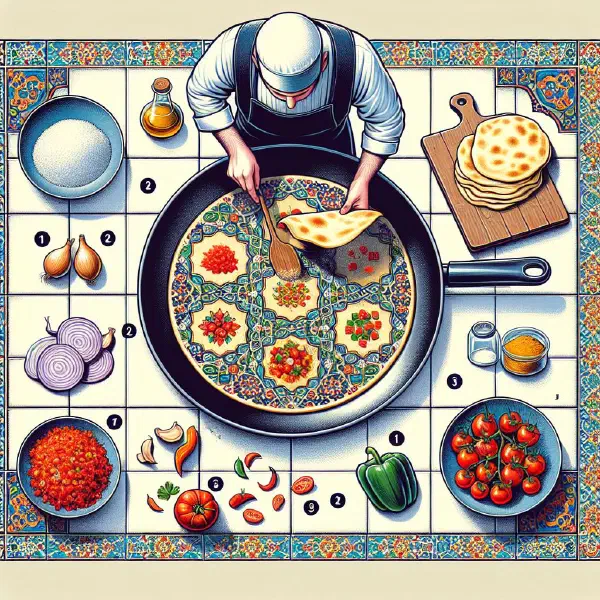
Before you start cooking, it pays to have all your ingredients measured out and your equipment within reach. You will need a mixing bowl, a deep pan for frying, and a sieve or some kitchen paper for draining the sfenj. It also helps to dust your work surface with a little flour to stop the dough from sticking. With everything in place you can work efficiently and without unnecessary interruptions.
Step-by-step instructions
- Dissolve the fresh yeast with the sugar and a little lukewarm water in a bowl and leave for 10 minutes until frothy.
- Combine the flour, salt and the remaining water in a large bowl and mix well.
- Add the activated yeast to the flour and knead thoroughly until you have a smooth, soft dough.
- Cover the dough and leave it to rest in a warm place for about 1 hour, until well risen.
- Heat the oil in a pan and shape the risen dough into rings, a portion at a time.
- Deep-fry the sfenj in the hot oil until golden brown, then drain on kitchen paper.
- Optional: dust with icing sugar and serve warm.
Gluten-free / lactose-free version
If you would like to eat gluten-free, there are several special flours, such as rice flour or oat flour, that you can use in place of wheat flour. Just make sure they are clearly labelled gluten-free. For a lactose-free version, no special changes are needed at all, since this recipe contains no dairy ingredients. All in all, sfenj are easy to adapt to a range of dietary requirements without losing their charm.
Tips for vegans and vegetarians
Sfenj are naturally vegan, as long as you add no animal products or eggs. The main ingredients are entirely plant-based, so anyone following a vegan diet can enjoy them with ease. To bring in extra fragrance, you can stir flavourings such as orange blossom water into the dough. This little touch lends the sfenj a wonderfully distinctive Moroccan flair, much like the floral notes in Beghrir au Beurre.
More tips and tricks
One important tip is to check the temperature of the oil before you begin frying the sfenj. Oil that is too hot can leave them burnt on the outside and raw within, while oil that is too cool spoils both the texture and the flavour. If you want your sfenj extra fluffy, give the dough a little longer to rise, the more time it has, the better the final result. Patience really does reward you here.
Adapting the recipe to your taste
The sfenj recipe offers plenty of room for adaptation. You might vary the basic dough with spices such as cinnamon or cardamom for a different flavour. A scattering of various sugars or some candied fruit after frying can also add a special note. Experiment with the aromas to discover your own favourite version, perhaps inspired by the sweet finish of Sfouf.
Ingredient substitutions
If you would rather not use fresh yeast, you can also reach for dried yeast instead. In that case, keep an eye on the quantities, usually about half the amount of fresh yeast is needed. For a sweeter version, you can swap the sugar for honey, much as the honey glaze enriches Msmen au Miel. These options can shift the flavour and texture slightly while keeping the result creative and delicious.
Drink pairing ideas
Traditional Moroccan teas, such as mint or spiced tea, pair especially well with sfenj. These teas harmonise perfectly with the gentle sweetness of the rings and round out the whole experience. A refreshing orange juice or a light, crisp rosé wine also make good companions when you are marking a special occasion. Experiment with different drinks to find your perfect pairing.
Serving and presentation ideas
To serve sfenj at their best, arrange them on a handsome plate and dust them, if you like, with icing sugar. A sprig of fresh mint or a small bowl of fruit alongside lends the dish a pretty, inviting look. If you have guests, you can also divide the sfenj into individual portions for easier serving. These small details turn the moment of serving into something a little more memorable.
A bit of history
Sfenj have a long tradition in Moroccan cooking and have been a beloved snack for centuries. Their origins are often linked to the Berbers of the Maghreb, who prepared these golden rings for festivals and special occasions. The distinctive method of preparation and the gentle sweetness have made sfenj an indispensable part of Moroccan food culture. Their popularity has spread well beyond Morocco’s borders, and they are now cherished across many other regions, a true gem of Moroccan cuisine.
More recipe ideas
Summary: Sfenj
Sfenj are more than just a snack; they are a piece of Moroccan culture, carrying the scent of tradition and hospitality. With their light sweetness and airy bite, they are ideal both for celebrations and for everyday enjoyment. It is well worth trying this recipe and bringing a little corner of Morocco into your own kitchen. Give it a go and let yourself be charmed by the flavours and the texture.