National Dish Morocco: Tajine (Recipe)
In this article
Discover Tajine, the fragrant slow-cooked dish at the heart of Moroccan cooking. Tender meat melts together with vegetables and a warm blend of spices, all gently steamed in the distinctive cone-shaped clay pot that gives the dish its name. With the heady aroma of cumin, ginger and turmeric filling the kitchen, this is a meal made for sharing. Bring the soul of a Moroccan kitchen straight to your own table.
About Tajine
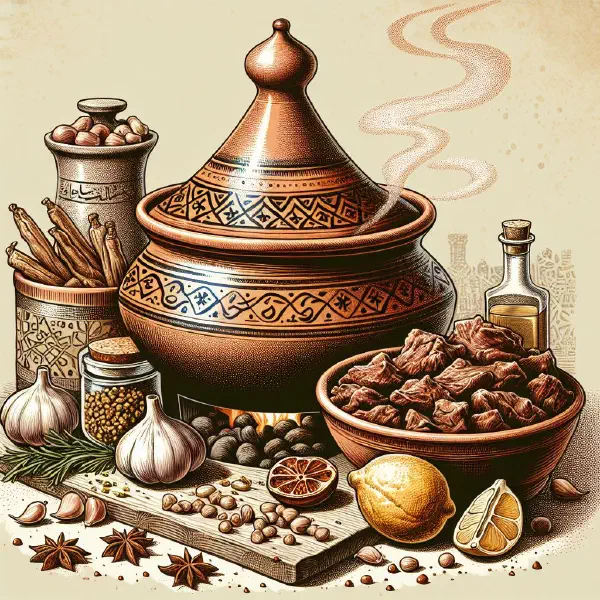
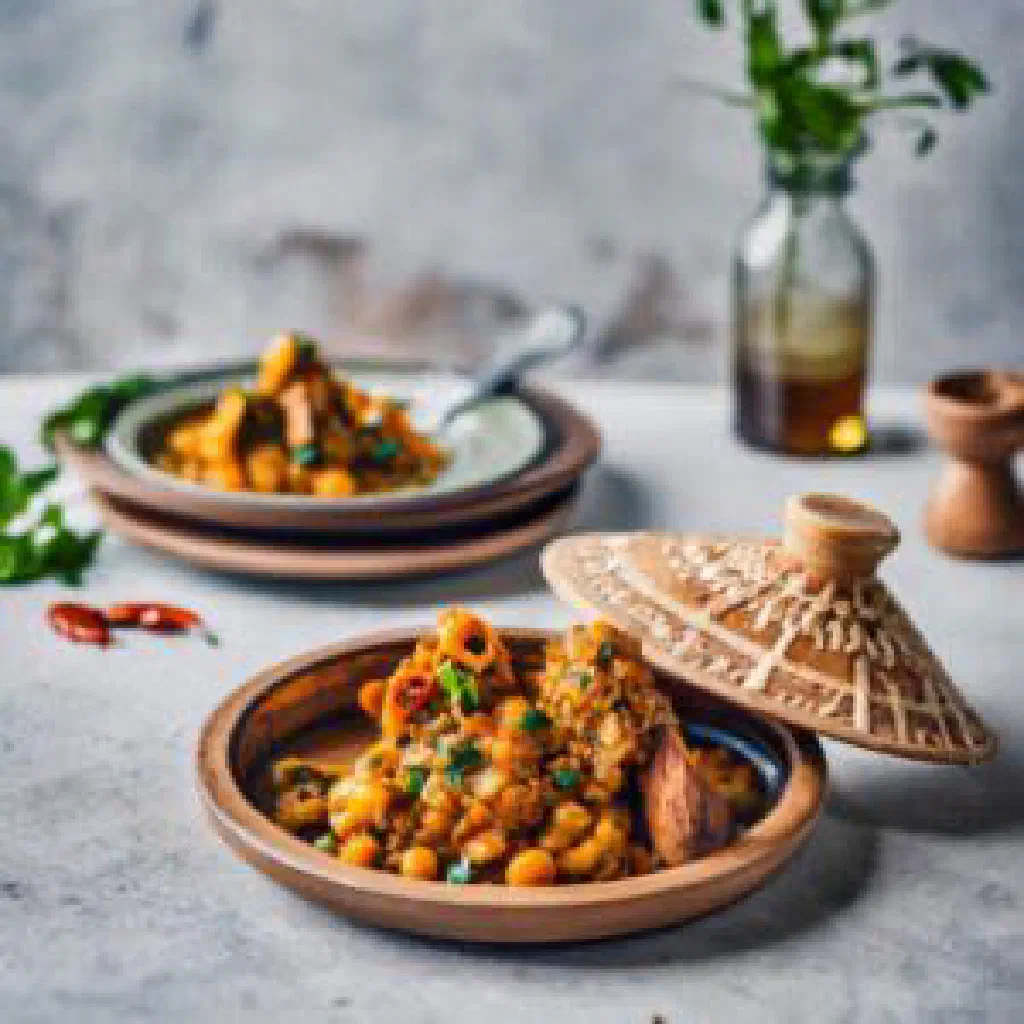
Tajine is a traditional Moroccan dish built from meat, vegetables and a generous mix of warming spices. It takes its name from the special conical clay pot in which it is cooked: the tall, tapered lid traps rising steam and returns it to the pot, so the ingredients gently braise in their own juices and stay beautifully moist. The result is a dish that is richly spiced, deeply aromatic and wonderfully tender, with flavours that develop slowly over a long, unhurried simmer.
Ingredients (serves 1–2)
- 500 g veal, cut into bite-sized pieces
- 2 onions
- 2 carrots
- 2 tomatoes
- 2 tablespoons olive oil
- 1 teaspoon cumin
- ½ teaspoon ground ginger
- ½ teaspoon ground coriander
- ½ teaspoon ground turmeric
- ½ teaspoon ground paprika
- Salt and pepper to taste
Shopping for the ingredients
When shopping for your tajine, it is worth choosing the freshest ingredients you can find to bring out the best flavour. For the meat, look for veal or lamb from sustainable, responsibly reared sources. The spices matter too: ground cumin, ginger, coriander and turmeric should be as fresh as possible, since their fragrance fades over time. A well-stocked supermarket will cover most of the list, while a local market or North African grocer is a fine place to track down good-quality spices.
Preparing the dish
Begin by cutting the veal into bite-sized pieces so it cooks through evenly and stays tender. Dice the onions, carrots and tomatoes into small, even chunks so they soften at the same pace. Measure out the spices and have them ready to add straight to the pot. With everything prepped and within reach, the cooking itself becomes relaxed and almost effortless.
Step-by-step instructions
- Heat the olive oil in the tajine pot and brown the meat all over until nicely seared.
- Add the onions, carrots and tomatoes and fry everything together for about 5 minutes.
- Pour in a glass of water, then leave to simmer gently over medium heat for around 30 minutes.
- Stir in the cumin, ginger, coriander, turmeric and paprika, and season with salt and pepper to taste.
- Let the dish simmer for a final 15 minutes over low heat, then serve hot from the pot.
Gluten-free / lactose-free version
Tajine is naturally well suited to a gluten-free and lactose-free diet, since the dish itself relies on meat, vegetables and spices rather than flour or dairy. Just double-check that any spice blends or stock you use are free from hidden gluten and milk derivatives. Serve it with naturally gluten-free sides such as plain rice or steamed potatoes instead of bread, and everyone at the table can enjoy this fragrant dish without a second thought.
Tips for vegans and vegetarians
Vegans and vegetarians can enjoy a wonderful tajine simply by leaving out the meat. In place of veal, tofu or seitan make excellent substitutes that soak up the spices beautifully, while chickpeas add heartiness and a pleasing texture. Lean on plenty of fresh, seasonal vegetables, courgettes, peppers and aubergines all work well, to keep the flavour rich and satisfying. A plant-based tajine loses none of the warmth or aroma of the original.
More tips and tricks
For the best results, let the tajine simmer slowly over low heat so the spices have time to mingle and the meat turns meltingly tender. Resist the urge to add too much water; the pot is designed to keep moisture in, so a little goes a long way. A handful of green olives or some preserved lemon stirred in towards the end lifts the dish with a bright, salty tang. Tasting and adjusting the seasoning near the end ensures a perfectly balanced result.
Adapting the recipe to your taste
Tajine is wonderfully easy to tailor to your own preferences. Swap the veal for lamb or chicken, or keep it entirely vegetarian with extra vegetables and pulses. Add a pinch of chilli or harissa if you like more heat, or stick to the gentle warmth of the classic spices for a milder version. You can even introduce a touch of sweetness with dried apricots or prunes, much as you would in a Couscous Tfaya, making the dish truly your own.
Ingredient substitutions
If a few ingredients are not to hand, there are plenty of creative alternatives. Sweet potatoes stand in nicely for carrots and lend a gentle sweetness, while courgettes or peppers can join or replace the vegetables you have. No veal? Lamb, chicken or even a firm white fish, as in a Tajine de Poisson, all make fine choices. Fresh ginger can replace ground, and a good ras el hanout blend works beautifully if you are short on individual spices.
Drink pairing ideas
A cool, alcohol-free drink suits the tajine best. A glass of freshly squeezed orange juice or a fruity smoothie offers a refreshing contrast to the warm spices. For something more traditional, a pot of sweet Moroccan mint tea rounds off the meal perfectly, its cooling freshness balancing the richness of the dish. A sparkling water with a squeeze of lemon is another simple, palate-cleansing choice.
Serving and presentation ideas
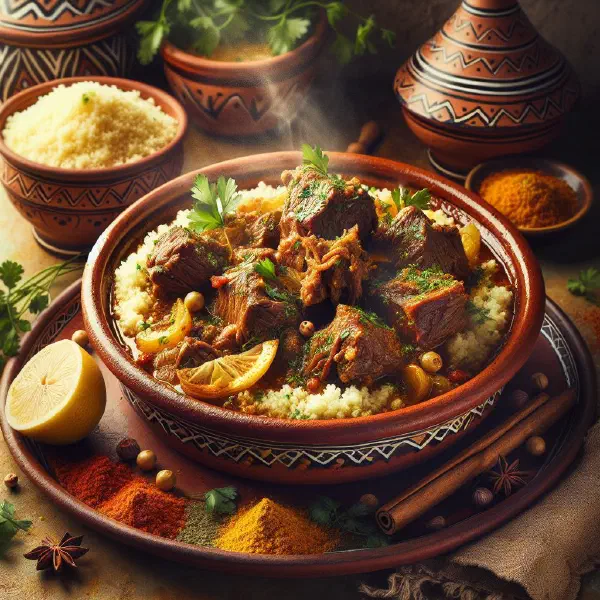
Presentation can make the tajine feel like a real occasion. Bring the clay pot straight to the table and lift the lid there, so everyone can enjoy the burst of fragrant steam. Scatter over fresh coriander or parsley and a few olives for colour, and serve with warm flatbread such as Batbout or fluffy couscous to soak up the sauce. Small bowls of olives, preserved lemon and a cooling salad alongside complete an inviting, generous spread.
A bit of history
Tajine has its origins in Morocco, where it ranks among the oldest dishes of the country’s kitchen. It was prepared thousands of years ago by the Berber people, who cooked slowly over embers in the cone-shaped earthenware pots that still define the dish today. Over the centuries it grew into a cherished national dish, and its gentle, spice-laden style has since won admirers far beyond North Africa. It remains a shining example of Moroccan cuisine.
More recipe ideas
Summary: Tajine
Tajine is a richly spiced Moroccan dish that brings together tender meat, hearty vegetables and a warm medley of spices, all gently steamed in its signature conical pot. To make it you need little more than a tajine pot, a handful of fresh ingredients and a little patience as it simmers. Cut the meat into bite-sized pieces, add the spices straight to the pot, and let everything braise slowly until meltingly tender. Vegans can swap the veal for tofu or seitan without losing any of the flavour. Served with a freshly squeezed orange juice or a glass of mint tea, this Moroccan classic turns any meal into something memorable.