National Dish Morocco: Tanjia (Recipe)
In this article
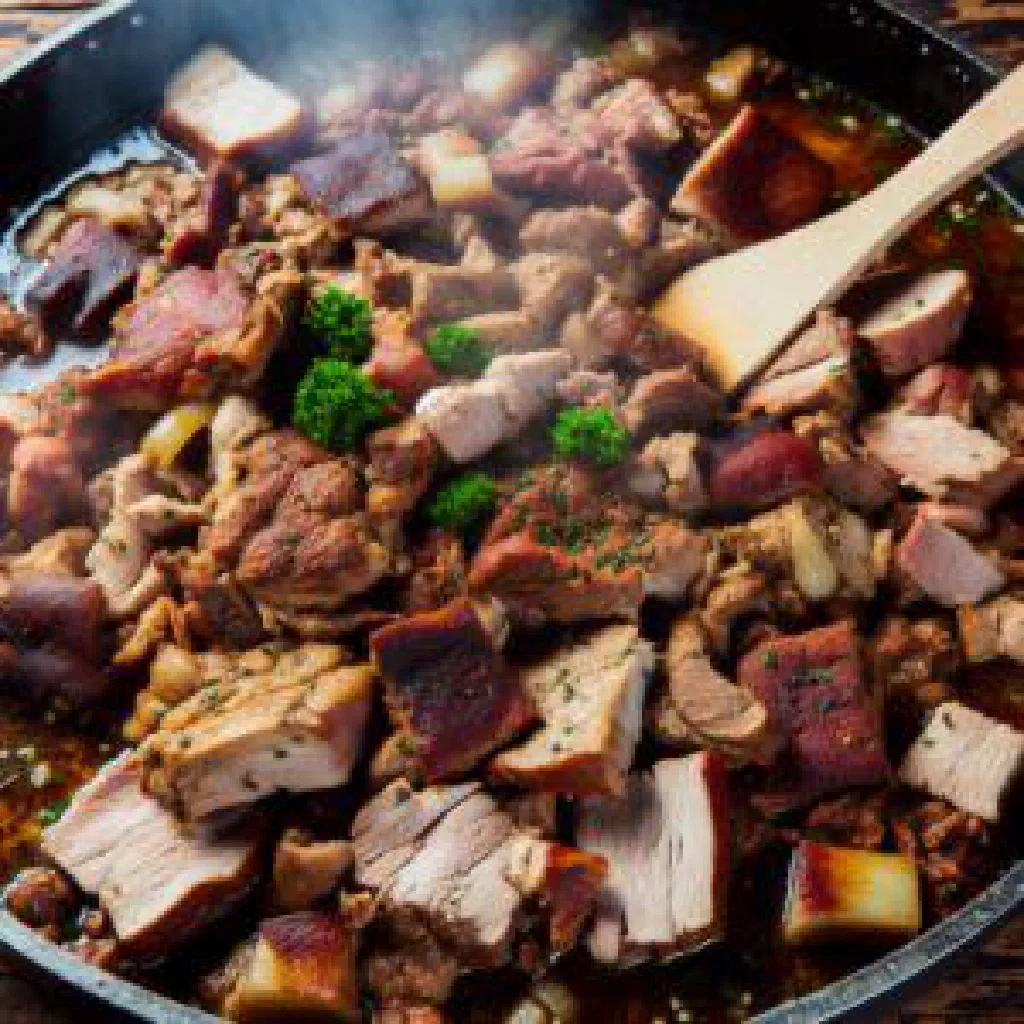
Discover Tanjia, the soulful slow-cooked speciality of Marrakech. This is a dish built on patience: tender chunks of meat mingle with garlic, warming spices and bright lemon, then cook gently for hours until they are meltingly soft. Steeped in tradition and bursting with the aromas of cumin and cinnamon, it is the kind of celebratory food that turns a gathering into an occasion. Bring a little Moroccan magic to your own kitchen.
About Tanjia
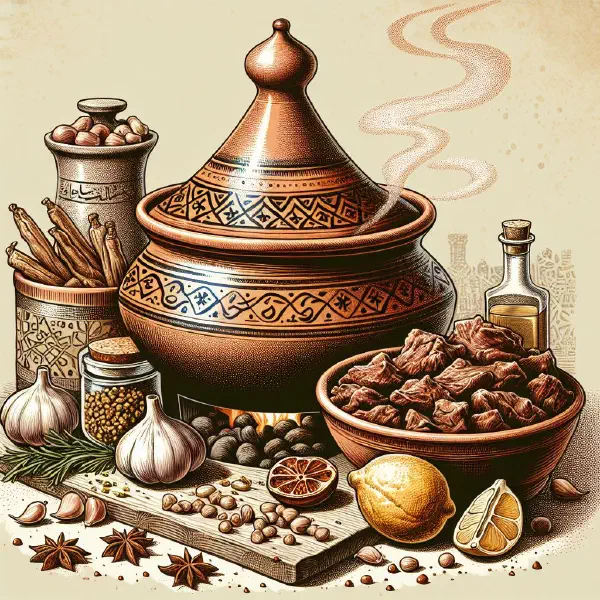
Tanjia is a traditional Moroccan dish that traces its origins to the city of Marrakech. More than just a meal, it is a symbol of Moroccan culture and hospitality. The dish is defined by an aromatic blend of spices and tender pieces of meat, gently cooked over many hours until everything is wonderfully soft. Often served at family celebrations and festive occasions, Tanjia is the sort of dish that stays with every guest long after the table has been cleared, a true highlight of Moroccan cuisine.
Ingredients (serves 1–2)
- 500 g beef or lamb (shoulder works well)
- 2–3 cloves of garlic, crushed
- 1 teaspoon cumin
- 1 teaspoon paprika
- 1 teaspoon cinnamon
- 1 teaspoon salt
- ½ teaspoon pepper
- 3 tablespoons olive oil
- 1 lemon, cut into pieces
- Fresh parsley or coriander, to garnish
Shopping for the ingredients
To achieve the full flavour of Tanjia, it is well worth using fresh, good-quality ingredients. The meat in particular deserves careful selection, as it forms the very heart of the dish. Visit a local butcher or market to pick up fresh beef or lamb. The spices matter just as much, they give Tanjia its distinctive aromatic character, so choose ones that are fresh or come from a trusted source.
Preparing the dish
Preparing Tanjia takes a little time, but the effort is richly rewarded. Begin by gathering and prepping all your ingredients. Rinse the meat and cut it into large pieces so it can soak up the flavours more fully. Mix the spices together and adjust them to taste, building the seasoning towards the flavour profile you enjoy most.
Step-by-step instructions
- Place the meat in a large clay pot (or another suitable heavy pot).
- Scatter the crushed garlic and the spices evenly over the meat.
- Add the olive oil and mix everything well so the spices coat the meat thoroughly.
- Tuck the lemon pieces into the meat and work them in gently.
- Cover the clay pot with a lid and cook slowly over low heat for around 3–4 hours.
- Stir occasionally, making sure the meat stays tender and juicy.
- Once cooked, garnish with freshly chopped parsley or coriander and serve.
Gluten-free / lactose-free version
The good news for anyone with food intolerances is that Tanjia is naturally gluten-free and lactose-free. Because it relies only on fresh meat, vegetables and spices, it slots effortlessly into a gluten- and lactose-free menu. Just take care that no extra ingredients or side dishes sneak in gluten or lactose.
Tips for vegans and vegetarians
Although Tanjia is traditionally made with meat, there are lovely ways to create a vegan or vegetarian version. In place of meat, use vegetables such as aubergine, courgette and carrots, cut into larger chunks and marinated in the same spices to echo the flavours of the original. Tofu or seitan also make a fine meat substitute, rounding out the dish beautifully while keeping it satisfyingly protein-rich.
More tips and tricks
If you want to perfect the dish, a few pointers go a long way. Always use fresh spices, as they have a marked effect on the final flavour. Check the pot regularly during cooking so the meat does not dry out, and keep the temperature steady to ensure even, gentle cooking. Experiment with different spice combinations to create a Tanjia that is unmistakably your own.
Adapting the recipe to your taste
Tanjia is a wonderfully flexible dish that adapts to all sorts of palates. Vary the spices to suit yourself, or add extras such as olives or dried fruit for a touch of sweetness. The meat can be swapped too. Try chicken or even fish, depending on your preference. Be creative and find the version that appeals to you and your guests, much as the lamb in a Couscous Tfaya can be tailored to taste.
Ingredient substitutions
If a particular ingredient is hard to find, there are plenty of alternatives. Instead of beef or lamb, try chicken or even sweet potatoes. For the spices, a ready-made Moroccan spice blend often contains everything you need in one go, the same warm notes that lift a Tajine de Poisson. Citrus fruits such as limes or grapefruit also offer an interesting twist if you fancy exploring new flavours.
Drink pairing ideas
Plenty of drinks pair beautifully with Tanjia and complement its spiced flavour. A traditional Moroccan mint tea is the natural choice, bringing a fresh note to the meal. Alternatively, a light, easy-drinking beer or a fruity red wine can support the dish’s aromas. For something more refreshing, an ice-cold fruit juice offers a pleasant contrast to the warm spices.
Serving and presentation ideas
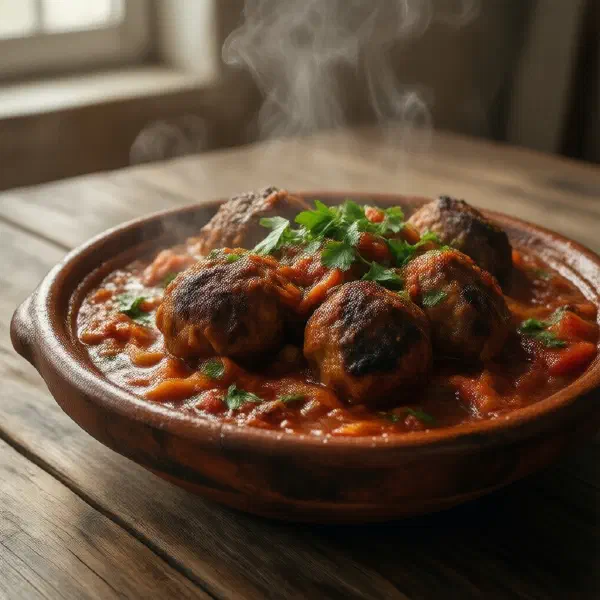
Presentation matters as much as flavour with Tanjia. Serve the dish in a large, rustic clay pot for an authentic feel, and garnish generously with fresh herbs such as parsley or coriander to brighten the colours. Set out a few small bowls of dips and bread alongside, a Batbout flatbread is ideal for mopping up the juices, to give guests a varied and inviting spread. A table dressed with Moroccan touches rounds off the whole experience.
A bit of history
Tanjia has a fascinating history rooted deep in Moroccan culture. It was originally prepared by workers in Marrakech, who left it to cook over low heat in the special clay pots, the tanjia, that give the dish its name. The dish symbolises Moroccan cooking and togetherness and conviviality, as it is so often shared among friends. Over the years, Tanjia has grown into one of Morocco’s best-known dishes, beloved by locals and visitors alike.
More recipe ideas
Summary: Tanjia
Tanjia is a delicious and deeply traditional Moroccan dish, defined by its aromatic spices and its unhurried method of cooking. With such a layered history and so much room for adaptation, it is perfect for festive occasions or relaxed gatherings with friends and family. Its flexible ingredients and many possible variations make Tanjia an excellent choice for any food lover. Let Moroccan cuisine inspire you and savour all the flavours that Tanjia has to offer.