National Dish Mozambique: Bolo de Coco (Recipe)

In this article
Say hello to Bolo de Coco, Mozambique’s beloved coconut cake and a true taste of the tropics. This moist, tender bake brings together the fragrance of fresh coconut and warm, gentle spices for a dessert that feels both comforting and exotic. Served at special celebrations or simply as an everyday sweet treat in home kitchens, it is a cake made almost entirely from natural ingredients. One bite and you will understand why generations of families have kept it close to their hearts.
About Bolo de Coco
Bolo de Coco is far more than a traditional bake in Mozambique. It is a genuine flavour experience. This moist coconut cake marries the aroma of fresh coconuts with the region’s typical spices, creating a dessert that is rich yet wonderfully light. It often appears at special occasions, but it is just as at home as an everyday pleasure in family kitchens. The reliance on natural ingredients makes it a superb choice for anyone who loves the exotic side of cooking and baking.
Ingredients (serves 1–2)
- 200 g fresh coconut, grated
- 100 g sugar
- 3 eggs
- 100 g butter, melted
- 1 tsp vanilla extract
- 1 tsp baking powder
- A pinch of salt
Shopping for the ingredients
The ingredients for Bolo de Coco are easy to find in most supermarkets or at local markets. Fresh coconuts are often the most characteristic component and deliver by far the best flavour. When buying, look for coconuts that feel heavy and hard, and that slosh with a full sound when you shake them. The other ingredients, sugar, eggs and butter, should also be of the best quality to guarantee the cake’s rich, satisfying taste.
Preparing the dish
Before you start baking, measure out all of your ingredients and have them ready to hand. It is well worth grating the fresh coconut just before you begin, as this gives the finest flavour. Melt the butter gently in a small pan or in the microwave and let it cool a little. Prepare your cake tin too, greasing it lightly and dusting it with a little flour so the finished cake releases cleanly and does not stick.
Step-by-step instructions
- Beat the eggs and sugar together in a bowl until the mixture is pale and creamy.
- Add the melted butter and the vanilla extract, and mix well to combine.
- In a separate bowl, stir together the grated coconut, baking powder and salt.
- Fold the dry ingredients gradually into the egg-and-sugar mixture until you have a smooth, even batter.
- Pour the batter into the prepared tin and level the surface.
- Bake in a preheated oven at 180°C for about 30–40 minutes, until the cake is golden brown.
- Let the cake cool before serving.
Gluten-free / lactose-free version
Making Bolo de Coco gluten-free is refreshingly simple. Replace any flour with a gluten-free blend or with ground almonds to keep the same tender texture. For a lactose-free version, simply swap in a plant-based butter or a neutral oil. The delicious coconut flavour survives these swaps beautifully, and the cake stays every bit as moist and aromatic.
Tips for vegans and vegetarians
For a vegan version of Bolo de Coco, replace the eggs with apple sauce or a flaxseed egg. These alternatives provide a similar binding effect while adding a little extra moisture. Reach for vegan butter or coconut oil to make the cake entirely plant-based. That way, vegans can enjoy the full, rich flavour of this popular coconut cake without missing a thing.
More tips and tricks
A few extra pointers can make the baking even better. Always use the coconut as fresh as possible, since this has a huge effect on the flavour. If you fancy a more intense, zesty note, grate in a little lime zest. And do not be afraid to experiment with the baking time to find the exact consistency that suits your personal taste, a shorter bake keeps it softer, a longer one gives a firmer crumb.
Adapting the recipe to your taste
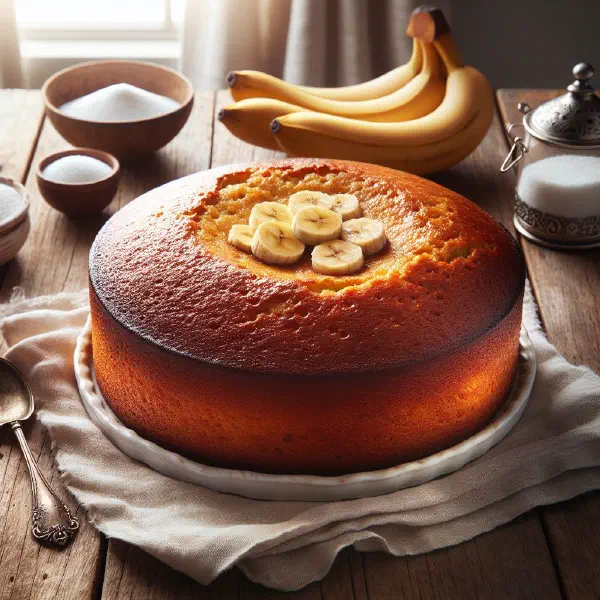
The Bolo de Coco recipe adapts flexibly to all sorts of preferences. You can fold in nuts or dried fruit such as pineapple or mango for extra texture and flavour, much as you might in a Bolo de Banana. The sweetness is easy to adjust too, if you like things less sugary, simply reduce the amount of sugar. These small variations let you shape the cake exactly to your own liking.
Ingredient substitutions
If one of the ingredients is not to hand, there is always a good alternative. Instead of fresh coconut you can use good-quality desiccated coconut, which still gives lovely results. In place of butter, coconut milk works well and deepens the coconut flavour even further, the same trick that lifts a Pudim de Coco. You can also replace the classic sugar-and-egg base with agave syrup or another sweetener to cut down on refined sugar.
Drink pairing ideas
Plenty of drinks make fine companions to Bolo de Coco. A refreshing ice-cold fruit juice or a coconut-based smoothie pairs wonderfully with the cake. A light green tea also complements its sweet aromas beautifully. For adults, a glass of white sangria studded with tropical fruit makes for an interesting and festive combination.
Serving and presentation ideas
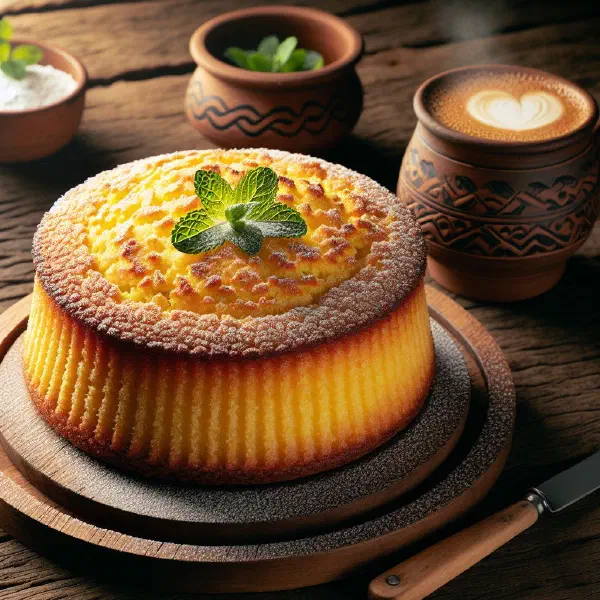
Presentation can make a real difference to the whole Bolo de Coco experience. Serve the cake on an attractive plate and garnish it with fresh coconut shavings or fruity accompaniments. A few mint leaves add a splash of colour and a fresh, fragrant note. On special occasions, an elegant arrangement, perhaps alongside a serving of Arroz Doce, heightens the overall impression.
A bit of history
Bolo de Coco is rooted in the rich culture of Mozambique and is a symbol of the country’s culinary diversity. Coconuts are widespread across many tropical nations, and this cake has established itself as a much-loved dessert. Historically, it reflects the meeting of Portuguese and African influences, which is exactly what makes it such a distinctive treat and a highlight of Mozambican cuisine. Many families guard their own secret recipes, passed lovingly from one generation to the next.
More recipe ideas
Summary: Bolo de Coco
Bolo de Coco is so much more than just a cake. It brings together fresh aromas, a rich flavour and a real sense of cultural heritage in a single dessert. Whether for a special celebration or an everyday indulgence, this coconut cake is sure to charm you and your guests alike. Let its many possibilities inspire you and give it a try, your palate will thank you for it.