National Dish Mozambique: Bolo de Milho (Recipe)
In this article
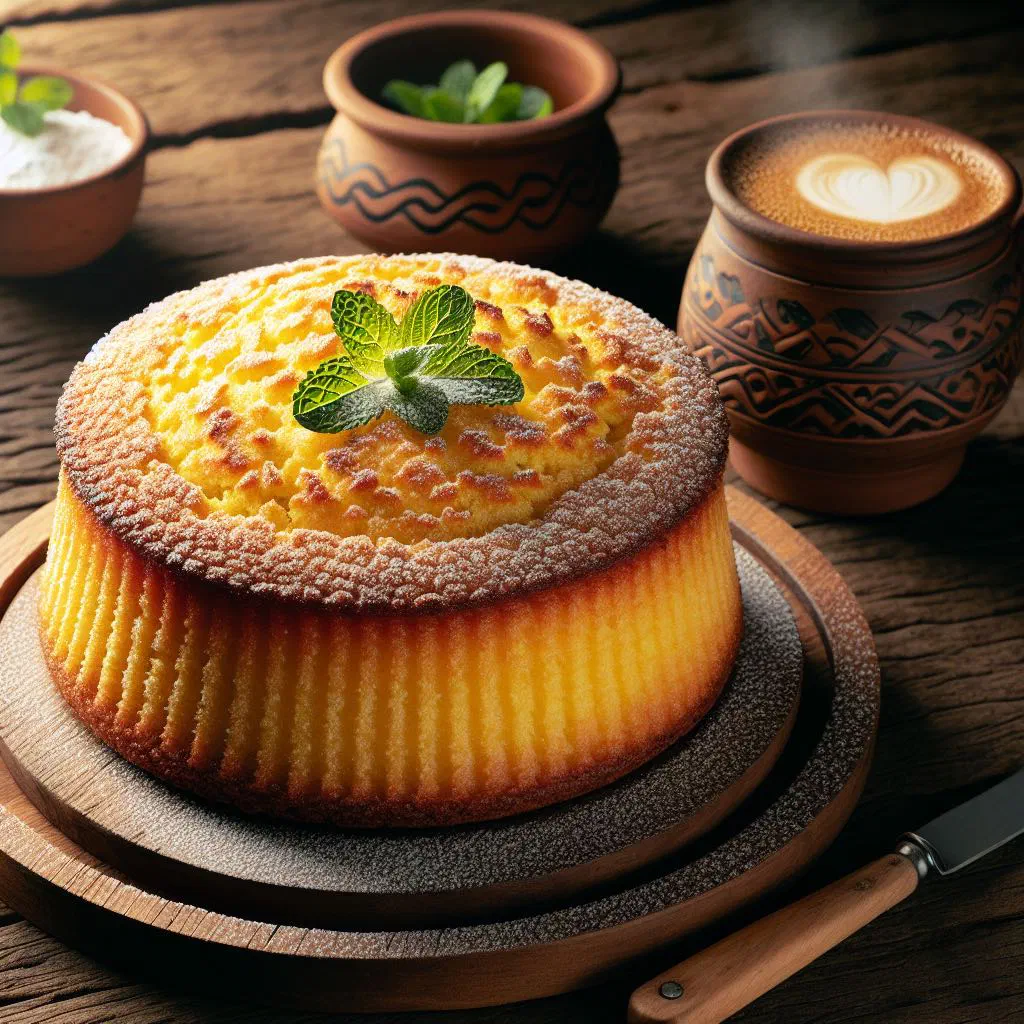
Say hello to Bolo de Milho, Mozambique’s beloved corn cake and a proper feast for the senses. With its moist, tender crumb and a balance of sweet and gently savoury notes, this bake is as much a slice of culture as it is a treat. It carries echoes of Mozambique’s sun-warmed beaches and lively markets, and works beautifully as an afternoon snack or as a dessert to enjoy alongside a good cup of coffee.
About Bolo de Milho
Bolo de Milho, the traditional corn cake of Mozambique, is very good. Its moist texture and combination of sweet and subtly savoury flavours make it a small piece of heritage on the plate. The cake conjures memories of picturesque coastlines and busy markets, and it is wonderfully versatile, equally at home as a mid-afternoon nibble or a dessert to round off a meal. However you serve it, Bolo de Milho is always a hit.
Ingredients (serves 1–2)
- 200 g cornmeal
- 100 g sugar
- 2 eggs
- 100 ml milk
- 50 ml oil
- 1 sachet baking powder
- A pinch of salt
Shopping for the ingredients
The ingredients for Bolo de Milho are easy to track down in most supermarkets. Cornmeal is often found in the international aisle, while the sugar, eggs, milk and oil sit in the standard baking section. Try to choose fresh ingredients to guarantee the best quality for your cake. It is also worth keeping an eye out for organic options, which can bring an extra depth of flavour to the finished bake.
Preparing the dish
Before you start on your Bolo de Milho, preheat the oven to 180°C. Prepare a cake tin by either greasing it or lining it with baking paper. Good groundwork is essential to make sure the cake bakes evenly and does not stick to the tin. Using a good-quality oil and fresh eggs also makes a real difference to the final result.
Step-by-step instructions
- In a bowl, combine the cornmeal, sugar, baking powder and salt until well mixed.
- In a separate bowl, whisk together the eggs, milk and oil.
- Slowly add the wet ingredients to the dry ingredients, mixing well until you have a smooth batter.
- Pour the batter into the prepared tin and level the surface.
- Bake in the preheated oven for 30–35 minutes, until the cake is golden brown.
- Take the cake out of the oven, let it cool a little, then turn it out of the tin.
Gluten-free / lactose-free version
For a gluten-free version of Bolo de Milho, you can swap the cornmeal for a gluten-free flour blend. Just make sure every other ingredient is gluten-free too. For a dairy-free bake, use a plant-based milk such as almond or oat milk. These simple swaps make the cake accessible to a wide range of dietary needs without losing any of its charm.
Tips for vegans and vegetarians
Vegans can replace the eggs in the recipe with apple sauce or another egg-substitute. Roughly 1/4 cup of apple sauce stands in for one egg and keeps the batter nicely moist. Swap the milk for a plant-based alternative as well, and take care to check that all the other ingredients are vegan too. With these small changes the cake fits happily into a plant-based diet.
More tips and tricks
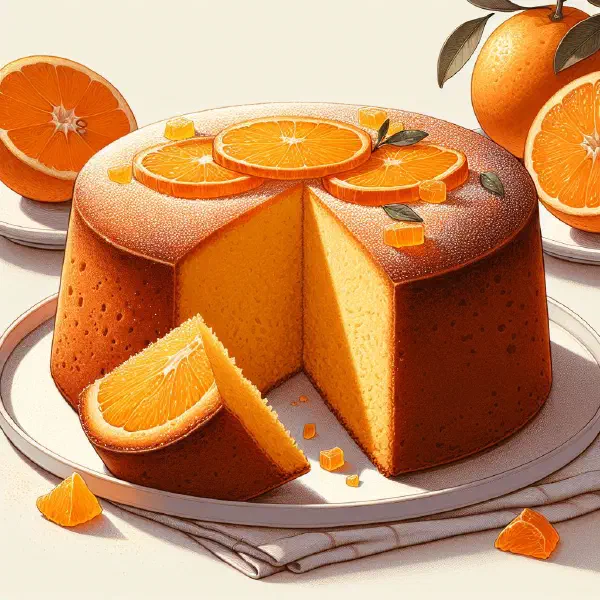
To deepen the flavour of Bolo de Milho, try adding cinnamon or a splash of vanilla extract. These warm spices give the cake an extra layer of aroma that pairs beautifully with its sweet notes. Experimenting with nuts or dried fruit can also throw up some lovely flavour combinations. A little squeeze of lime juice just before baking adds a refreshing lift, much like the citrus brightness in a Bolo de Laranja.
Adapting the recipe to your taste
Depending on your own preference, you can dial the sweetness up or down by adjusting the amount of sugar. Adding chocolate chips or a spoonful of cocoa powder makes a delicious variation for chocolate lovers. Another idea is to use the cake as a base and decorate it with fruit or cream. This way you vary the flavour and present a dish that looks every bit as good as it tastes.
Ingredient substitutions
The ingredients for Bolo de Milho are wonderfully adaptable. The sugar, for instance, can be replaced with honey or agave syrup. For a healthier version you can use wholemeal flour, which boosts the nutritional value of the cake. Aromatic oils such as coconut or walnut oil can also add a distinctive note, the same coconut warmth that runs through a Bolo de Coco.
Drink pairing ideas
Bolo de Milho pairs beautifully with a range of drinks. A tropical fruit juice or a chilled iced tea suits this traditional cake perfectly. A freshly brewed coffee or a cappuccino also harmonises wonderfully with its flavours. For special occasions, a lightly sparkling sparkling wine turns the dessert into a real celebration.
Serving and presentation ideas
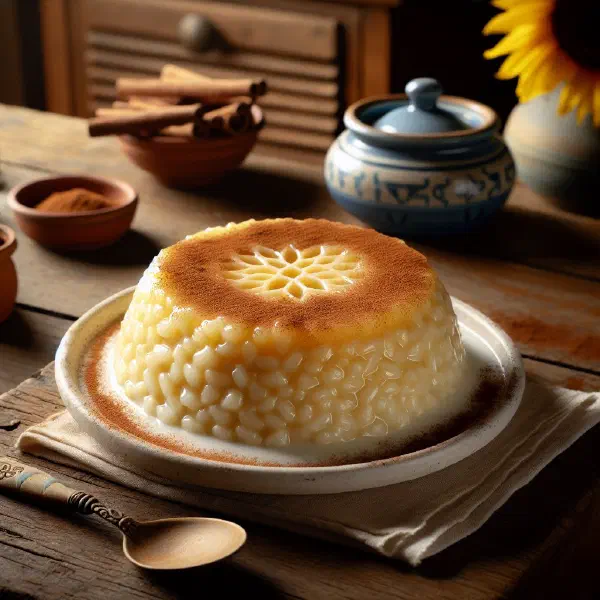
Presentation can lift the enjoyment of Bolo de Milho considerably. Serve the cake on a decorative plate and garnish it with fresh berries or a light dusting of icing sugar. A pretty napkin and a few edible flowers round off the whole arrangement. To underline its cultural feel, you might add traditional Mozambican touches such as colourful cloths or bowls, the way a sweet Arroz Doce might be served at a family gathering.
A bit of history
Bolo de Milho has a long tradition in Mozambican cooking and is often served at festivals and celebrations. The use of maize as its main ingredient reflects the country’s agriculture and is a symbol of prosperity. The cake is a much-loved dessert and a piece of cultural heritage that binds the generations together. It is an expression of Mozambican hospitality and is frequently handed down in family recipes, sitting proudly within the wider world of Mozambican cuisine.
More recipe ideas
Summary: Bolo de Milho
Bolo de Milho is more than just a cake; it is a bridge between tradition and pure enjoyment. With its simple preparation and endless room for adaptation, it suits every season and every occasion. The use of local ingredients makes it a nourishing and delicious experience. Let the variety and richness of Mozambican cooking inspire you, and enjoy a little taste of home on your plate.