National Dish Mozambique: Doce de Leite (Recipe)
In this article
Discover Doce de Leite, a golden, velvety sweet treat with deep Portuguese roots and a special place at the Mozambican table. Made from little more than milk, sugar and a whisper of vanilla, it slowly cooks down into a caramel-rich pleasure that is as comforting as it is simple. Easy enough for a first-time cook yet wonderfully indulgent, it brings a touch of exotic flair to any kitchen.
About Doce de Leite
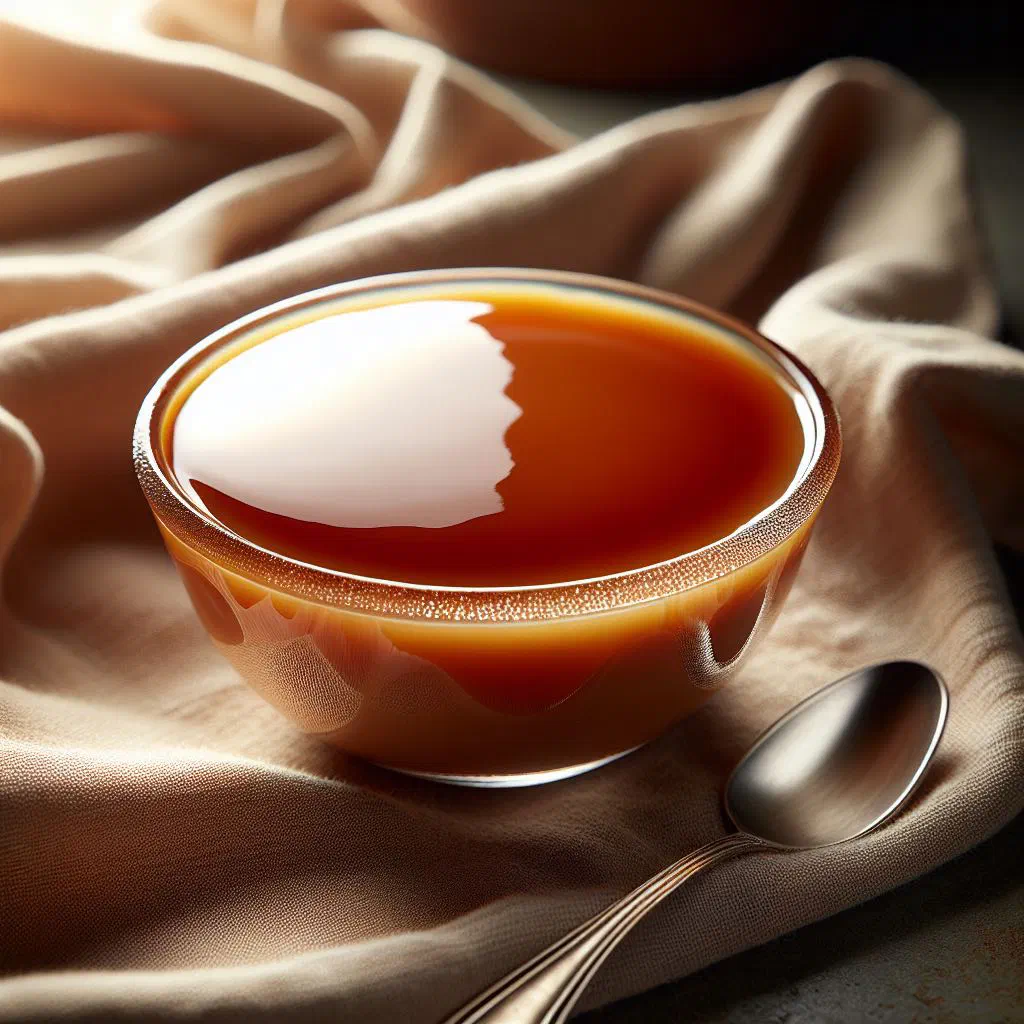
Doce de Leite is a traditional dessert found across many Spanish- and Portuguese-speaking countries, and in Mozambique it carries a meaning all its own. It is a sweet, creamy delicacy most often made from milk, sugar and vanilla, gently simmered until it turns thick and golden. This treat is enjoyed as an in-between-meals snack or served alongside other dishes. Best of all, the preparation is straightforward and can be mastered even by less experienced cooks.
Ingredients (serves 1–2)
- 400 ml whole milk
- 200 g sugar
- 1 teaspoon vanilla extract
- 1 pinch of salt
- Optional: cinnamon or cocoa powder, to decorate
Shopping for the ingredients
Making doce de leite calls for just a handful of everyday, easy-to-find ingredients. When buying the whole milk, look for good quality to guarantee the best flavour. The sugar should be white and crystalline, as it melts evenly during cooking and gives the dessert its silky consistency. Vanilla extract lends the dish a wonderful aroma and is ideally made from real vanilla. Many of these pantry staples turn up throughout Mozambican cuisine.
Preparing the dish
Before you start cooking the doce de leite, it pays to gather and measure out all your ingredients. This makes the process easier and ensures nothing gets forgotten. It is important to combine the milk and sugar thoroughly so the sugar dissolves evenly. Setting out your utensils at the outset, a saucepan, a wooden spoon and a measuring jug, also helps everything run smoothly.
Step-by-step instructions
- Pour the whole milk and sugar into a saucepan and warm the mixture over medium heat.
- Stir continuously until the sugar has completely dissolved.
- Add a pinch of salt and the vanilla extract.
- Continue cooking over low heat, stirring constantly, until the mixture thickens (about 30–40 minutes).
- Pour the doce de leite into a bowl and leave it to cool. If you like, decorate with cinnamon or cocoa powder.
Gluten-free / lactose-free version
Doce de leite is naturally gluten-free, as no gluten-containing ingredients are used. For a lactose-free version, simply use lactose-free milk instead. That way people with a lactose intolerance can enjoy this delicious dessert too. It is worth checking ingredient labels carefully to make sure there are no hidden sources of lactose.
Tips for vegans and vegetarians
Vegans can swap the whole milk for a plant-based alternative such as coconut or almond milk. Sweets like doce de leite are easy to adapt to a vegan lifestyle. Reach for a plant-based sugar to keep the sweetness, since some sugars are processed using animal products. Bear in mind, too, that vanilla extract and other flavourings are vegan when they come from plant sources.
More tips and tricks
One key tip when making doce de leite is to keep the heat low to avoid scorching. It is also wise to stir the dessert constantly as it cooks; this helps you achieve a smooth consistency and stops the sugar catching on the bottom of the pan. If you fancy varying the flavour, try different additions such as chocolate or espresso. With a little creativity you can fine-tune your doce de leite exactly to your liking.
Adapting the recipe to your taste
Every recipe can be adjusted to suit personal preference. If you prefer a less sweet version, simply reduce the amount of sugar. Add extra flavourings to taste, such as citrus zest or various spices. The consistency is easy to tweak as well, cook it for longer or shorter to make it thicker or runnier. That way every batch of doce de leite becomes a truly personal dessert, tailored to your palate.
Ingredient substitutions
If you would rather not use whole milk, various plant-based milks work well, though each brings a different flavour and texture. Instead of sugar, alternative sweeteners such as agave syrup or coconut sugar can be used for a healthier twist. For extra texture and taste, nuts or dried fruit can be stirred into the doce de leite, a nutty touch that also shines in Doce de Caju. Adapt the recipe to suit your taste and whatever ingredients you have to hand.
Drink pairing ideas
Doce de leite pairs beautifully with a range of drinks. A fine, hot coffee or espresso offers a lovely contrast to the sweetness of the dessert and brings out its aromas. Milkshakes or a freshly squeezed citrus juice also make wonderful companions. If you prefer something alcoholic, a glass of port or a liqueur could be the perfect match.
Serving and presentation ideas
Presenting doce de leite can be simple yet striking. Serve the dessert in small bowls or glasses that sit comfortably in the hand. A dollop of whipped cream or a decorative mint leaf can add an appealing accent. Remember to experiment with different fillings or toppings to make the dessert even more appealing. It rounds off a spread just as sweetly as a slice of Bolo de Coco.
A bit of history
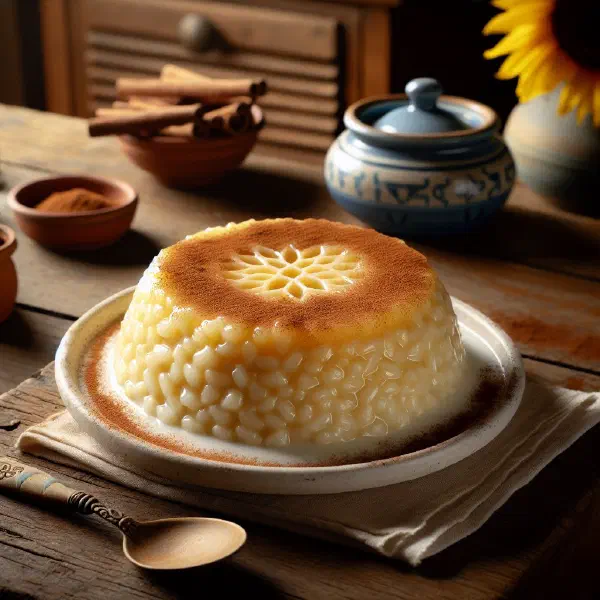
Doce de leite has its roots in Spanish and Portuguese tradition, but it spread quickly to many other cultures, Mozambique among them. The recipe has evolved over time and is now enjoyed in countless variations. Historically it was often regarded as a luxury dessert, served on special occasions and at festivities. This sweet delicacy reflects the blend of indigenous and colonial influences that shapes Mozambican cooking, much like the beloved Arroz Doce rice pudding.
More recipe ideas
Summary: Doce de Leite
Doce de leite is a simple and delicious dessert that suits any occasion perfectly. The combination of milk, sugar and vanilla makes it a genuine explosion of flavour, one that can be enhanced with any number of variations. Whether gluten-free, lactose-free or vegan, this dessert adapts with ease. Let its many methods of preparation inspire you and enjoy a taste of Mozambican culture in your own home.