National Dish Mozambique: Doce de Mapira (Recipe)
In this article
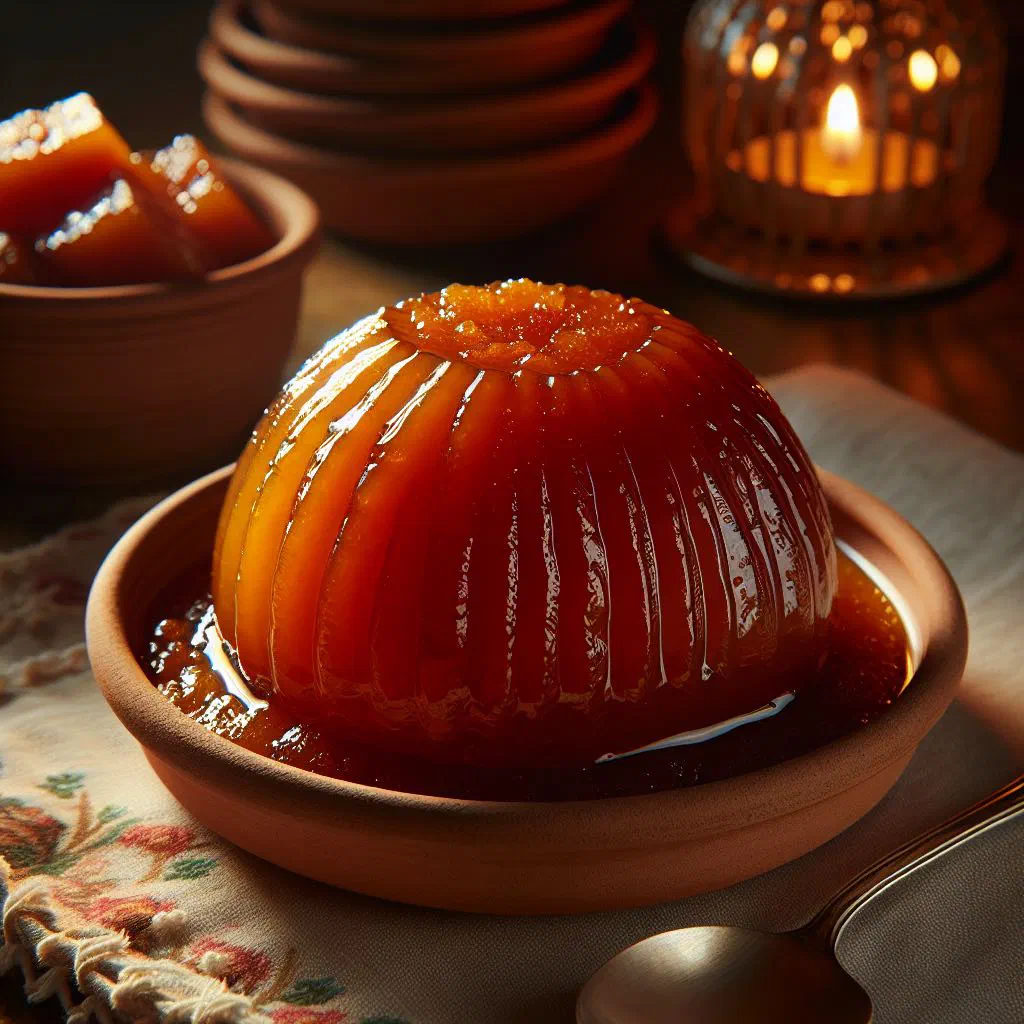
Say hello to Doce de Mapira, a gentle, sun-warmed sweet from Mozambique that turns a handful of humble ingredients into something genuinely special. Built around soft cassava and fragrant coconut, it has a tender, melt-in-the-mouth texture and a mellow sweetness that feels equally at home at a family celebration or as an afternoon treat. One bite carries a real sense of African warmth straight into your kitchen.
About Doce de Mapira
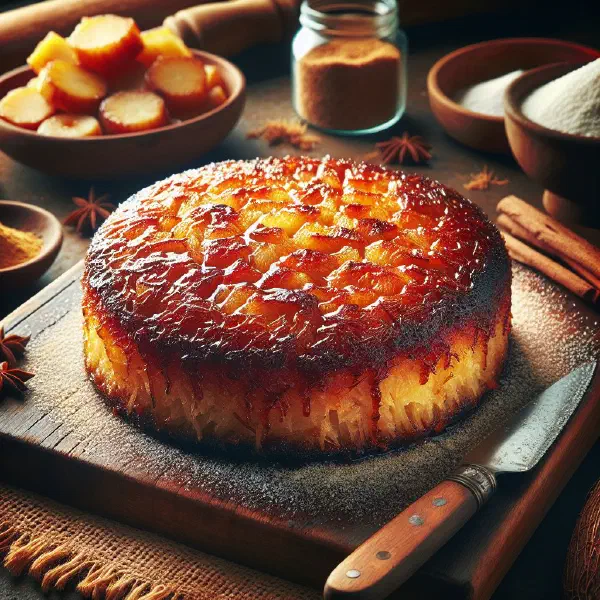
Doce de Mapira is a traditional sweet from Mozambique, prized for its distinctive flavour and its comforting, homely character. This little treat is made mainly from cassava and coconut, giving it a delicate, tender texture that pleases just about any palate. It is a much-loved dessert, often served at special occasions yet just as happily enjoyed as an everyday snack. Sharing a plate of doce de mapira offers culinary pleasure and a lovely glimpse of African culture.
Ingredients (serves 1–2)
- 200 g cassava (manioc)
- 100 g desiccated coconut
- 100 g sugar
- 200 ml coconut milk
- 1 pinch of salt
Shopping for the ingredients
The ingredients for doce de mapira can be found in most Asian or African grocery shops. Cassava is often sold as a fresh root or in the form of cassava flour. Look out for unsweetened coconut so you keep the authentic flavours of the recipe intact. It is also worth choosing a good-quality coconut milk, as this adds to the lovely creaminess of the finished dessert.
Preparing the dish
Before you start cooking, peel the cassava thoroughly and cut it into small pieces. Simmer these in boiling water for about 15–20 minutes, until they are soft all the way through. Drain the cassava well, then mash it with a fork or a potato masher. This groundwork is key to achieving the smooth, supple consistency that makes the dessert so appealing.
Step-by-step instructions
- Mash the peeled, softened cassava until smooth.
- Add the desiccated coconut, sugar, coconut milk and a pinch of salt to the cassava mash.
- Mix everything together well until you have a uniform batter.
- Spoon the mixture into a greased tin and spread it out evenly.
- Bake in a preheated oven at 180°C for about 25–30 minutes, until the surface is golden brown.
- Leave to cool, cut into pieces and serve.
Gluten-free / lactose-free version
Doce de Mapira is naturally gluten-free and lactose-free, as it contains neither grains nor dairy. Thanks to the coconut milk, the dessert is ideal for anyone with intolerances. Just be sure that the specific ingredients you buy do not carry any hidden gluten or milk components. It sits comfortably alongside other coconut-based sweets such as Pudim de Coco.
Tips for vegans and vegetarians
This recipe for doce de mapira is naturally vegan, as it contains no animal products at all. Vegans can reach for coconut blossom sugar or brown sugar in place of white sugar to vary the flavour. The dessert is perfect for anyone who loves plant-based cooking, and it makes a fine companion to a nutty favourite like Amendoim com Coco. Enjoy every mouthful without a second thought.
More tips and tricks
To improve the tender texture, lightly toast the coconut before folding it into the batter. This adds an extra layer of aroma and a pleasing depth of flavour. Keep a close eye on the baking time so the dessert does not dry out. A splash of lime juice stirred into the mixture brings a welcome touch of freshness.
Adapting the recipe to your taste
Doce de Mapira can easily be adjusted to suit your own preferences. Fold in dried fruit such as raisins or dates, for example, to add a little extra sweetness and texture. For a special touch, work in warming spices like cinnamon or vanilla. Small changes like these make this traditional sweet even more interesting and personal.
Ingredient substitutions
If you do not have desiccated coconut to hand, you can use ground almonds or oats instead. This changes the flavour slightly but still gives a delicious consistency. In place of coconut milk, try a plant-based alternative such as almond or oat milk, keeping in mind that the aroma will shift a touch, much as it would in a creamy dish like Mandioca com Leite de Coco.
Drink pairing ideas
Bright, fruity drinks are a wonderful match for doce de mapira. A freshly squeezed orange juice or a light fruit cocktail sits beautifully alongside the dessert’s gentle sweetness. An aromatic green tea or a soothing herbal tea also makes a welcome partner. The right drink can round out and lift the flavours of the sweet quite lovely.
Serving and presentation ideas
The presentation of doce de mapira can be enhanced by garnishing with fresh fruit such as mango or pineapple. A scattering of mint or a couple of spoonfuls of coconut cream can make the dessert even more inviting to the eye. Serve it in pretty little bowls or on a decorative plate to make the culinary treat feel truly special. A thoughtful presentation adds to the whole pleasure of the occasion.
A bit of history
Doce de Mapira is a firm fixture of Mozambican cuisine, with roots reaching back to the country’s independence movement. The recipe has developed over generations, shaped by the influences of many different cultures. The dish reflects the rich tradition and characteristic ingredients of Mozambique, and its pairing of cassava and coconut is tasty and something of a symbol of the country’s culinary identity, one you can explore further across Mozambican cuisine.
More recipe ideas
Summary: Doce de Mapira
In short, doce de mapira is an exquisite traditional sweet from Mozambique that charms with its distinctive flavour and tender texture. Its simple preparation and use of fresh, natural ingredients make this dessert a must-have in any kitchen. Whether for a special occasion or simply for the pleasure of it, it tempts everyone to discover the rich culture of Africa. Use this recipe to bring a little piece of Mozambique into your own home.