National Dish Mozambique: Milk Bread Rolls (Recipe)
In this article
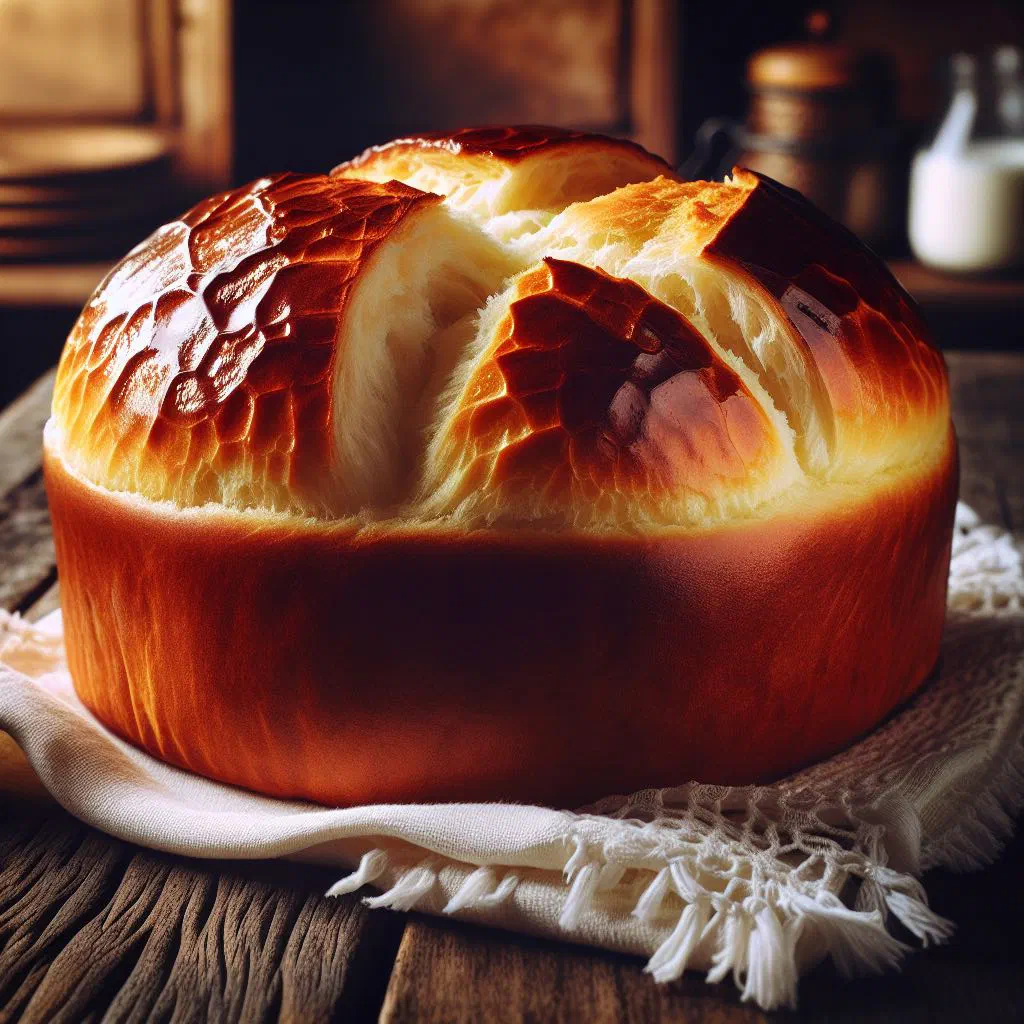
Meet Pãozinho de Leite, the soft, subtly sweet milk bread rolls that are a true jewel of Mozambican baking. Tender in texture and appealing in flavour, they are a favourite at the breakfast table and just as welcome as a mid-morning snack. Made with a handful of fresh ingredients and a simple, forgiving method, these little rolls have won over locals and visitors alike. Bring a taste of the Mozambican coast straight to your own kitchen.
About Milk Bread Rolls
Pãozinho de Leite, also known simply as milk bread rolls, is a genuine treasure of Mozambican baking. These fluffy, gently sweet rolls charm everyone with their delicate crumb and their inviting flavour. They make a much-loved breakfast and work beautifully as a snack for any time of day. The combination of fresh ingredients and a straightforward preparation makes them a firm favourite with locals and visitors alike, and they sit comfortably alongside other classics of Mozambican cuisine.
Ingredients (serves 1–2)
- 250 g plain flour
- 50 g sugar
- 1 sachet dried yeast
- 150 ml milk
- 40 g butter
- 1 pinch of salt
- 1 egg
Shopping for the ingredients
To make milk bread rolls, you will want fresh, good-quality ingredients. The choice of flour in particular plays a decisive role in the texture of the rolls. Look for organic sugar and well-kept, fresh butter to bring out the best flavour. A visit to a local market or supermarket will supply everything you need, so you can start baking straight away.
Preparing the dish
Before you begin making the milk bread rolls, it helps to have everything to hand. Weigh out the flour and the sugar, and activate the yeast by dissolving it in a little lukewarm water. The milk should be at room temperature to encourage a smoother emulsion. You can also preheat your oven to 180°C so the rolls bake to an even, golden brown.
Step-by-step instructions
- In a bowl, mix the milk, the activated yeast and the egg together well.
- In a separate bowl, combine the flour, the sugar and the salt.
- Slowly add the wet ingredients to the dry ones and knead everything thoroughly.
- Add the butter and continue kneading until you have a smooth dough.
- Leave the dough to rise in a warm place for about 1 hour, until doubled in size.
- Divide the dough into small portions and shape them into round rolls.
- Place the rolls on a baking tray and leave to prove for a further 30 minutes.
- Bake in the preheated oven for about 15–20 minutes, until golden brown.
Gluten-free / lactose-free version
You can make milk bread rolls without gluten or lactose by reaching for a few clever alternatives. Instead of regular flour, use a gluten-free flour blend made from buckwheat and rice flour. For the milk, a plant-based milk such as almond or coconut works well. These swaps give you a gluten-free or lactose-free option and open up a fresh new flavour experience.
Tips for vegans and vegetarians
For a vegan version of the milk bread rolls, replace the egg with a chia or flaxseed substitute. The butter can be swapped for vegan margarine, and the milk for plant-based milk. That way you can enjoy these delicious rolls without any animal products on the table. Vegan baking alternatives are widely available now, and the results can be surprisingly good.
More tips and tricks
When baking milk bread rolls, a few small tips can make all the difference. Always use your ingredients at room temperature to help the dough rise well. A baking tin or a sheet of baking paper stops the rolls sticking. Feel free to experiment with different spices or aromas, a touch of vanilla or cinnamon, for example, to tune the flavour to your liking.
Adapting the recipe to your taste
The recipe for milk bread rolls is easy to adjust to personal preference. You can change the amount of sugar to make the rolls more or less sweet, just as you please. You might also fold in different flavourings, such as lemon zest or nutmeg, for a special note. If you enjoy experimenting, there is really no limit to your creativity here.
Ingredient substitutions
If you do not have every ingredient in the cupboard, there are plenty of alternatives. Plain flour can be replaced with wholemeal flour for a wholesome twist, much as a heartier grain shapes a slice of Pão de Milho. Honey could also stand in for sugar to bring in a natural sweetener. Keep an eye on the consistency when using substitutes so you still get the best results.
Drink pairing ideas
To round off the experience, a few drinks pair wonderfully with milk bread rolls. A freshly brewed coffee or a fruity tea goes beautifully with the sweet rolls. For an exotic touch, choose a fresh fruit smoothie or a coconut-based drink for a tropical flair. Pairings like these lift the whole experience and make breakfast memorable.
Serving and presentation ideas
Thoughtful presentation of your milk bread rolls can add greatly to the pleasure of eating them. Serve the rolls on a prettily dressed plate or in a rustic basket to create a homely atmosphere. Add fresh mint or fruit as a garnish for an inviting look. A light dusting of icing sugar also gives a lovely visual note and builds anticipation for the first bite.
A bit of history
Pãozinho de Leite has its origins in Mozambique’s colonial past, when the making of bread and pastries was strongly shaped by Portuguese traditions. The combination of simple ingredients and gentle sweetness reflects the tropical climate and the raw materials on hand. These rolls are often served at festivals and family gatherings, and for many they are a link to their cultural identity. They are a treat for the palate and a piece of cultural heritage, much like the slow-cooked Feijoada that graces so many Mozambican tables.
More recipe ideas
Summary: Milk Bread Rolls
In short, milk bread rolls are a delicious national dish of Mozambique and a wonderful way to enjoy the tropical flair of the region. With simple ingredients and an easy method, you can bring these light and fluffy rolls to the table, pleasing in their gentle sweetness and delicate texture. Let the artistry of Mozambican baking inspire you, and enjoy every moment of the baking and the feasting.