National Dish Mozambique: Piri-Piri Sauce (Recipe)
In this article
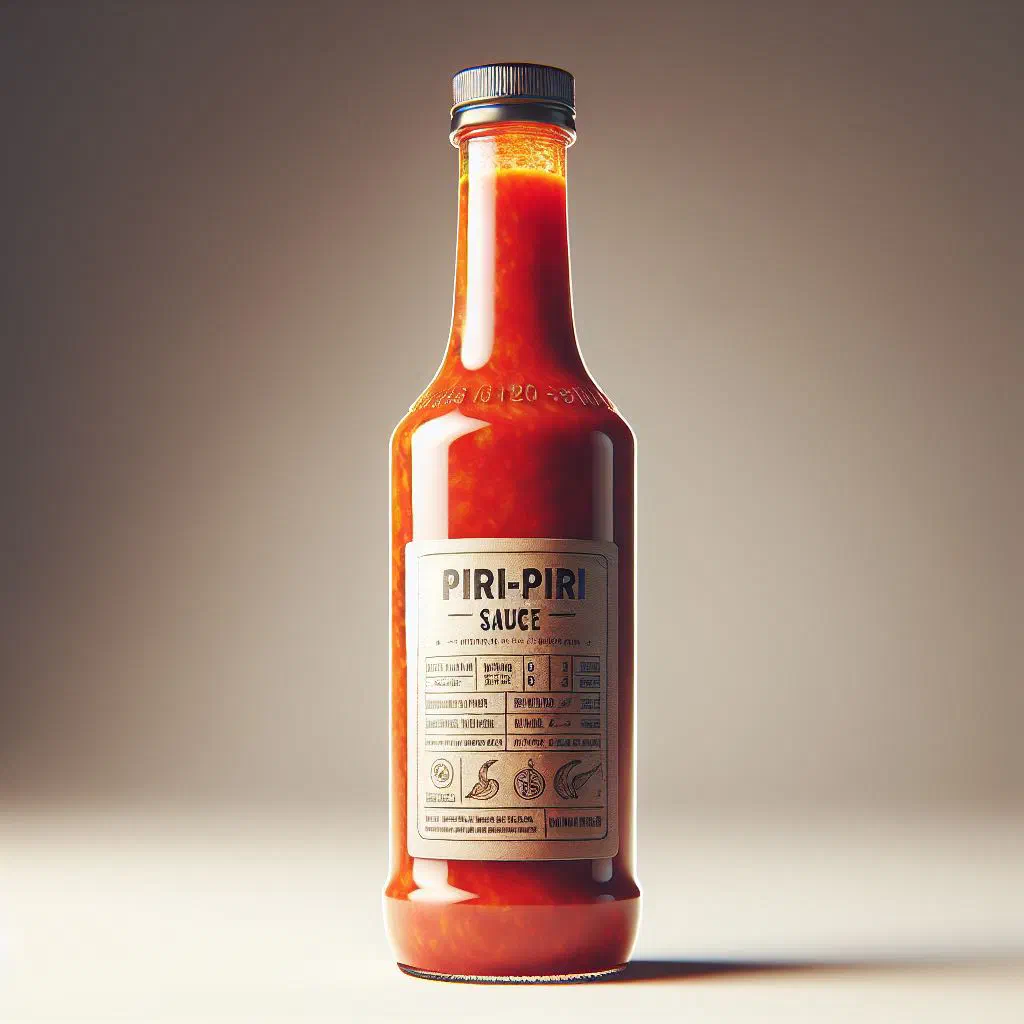
Fiery, fragrant and wonderfully versatile, Piri-Piri Sauce is one of the great cornerstones of Mozambican cooking. Built around fierce African chillies, sharpened with garlic and lemon and rounded off with good olive oil, it brings a bold, unmistakable heat to grilled meat, seafood and vegetables alike. This bright sauce turns an everyday meal into something memorable, a little taste of the East African coast made in your own kitchen.
About Piri-Piri Sauce
Piri-Piri Sauce is an indispensable part of Mozambican cuisine, prized for its remarkable heat and its distinctive, layered flavour. The sauce takes its character from African chillies, which are valued across many rural regions of the continent. Its versatility is part of the appeal: it works beautifully with grilled meat and with vegetables and seafood, and it makes a superb marinade. A careful hand with fresh herbs and spices ensures the sauce delivers a flavour experience that is entirely its own.
Ingredients (serves 1–2)
- 4 fresh piri-piri chillies (or other hot chillies)
- 2 cloves of garlic
- 1 lemon (juice)
- 60 ml olive oil
- 1 teaspoon paprika
- 1 teaspoon salt
- Fresh herbs such as oregano or thyme
Shopping for the ingredients
When shopping for the ingredients for piri-piri sauce, it is well worth focusing on quality. Visit a local market or a well-stocked supermarket to find the freshest chillies and herbs. Choose your chillies according to ripeness, as this influences both the heat and the overall flavour of the sauce. A good-quality olive oil is equally important for the best possible result.
Preparing the dish
Before you start making the piri-piri sauce, wash the chillies well and remove the stalks. The garlic should be peeled and roughly chopped, and it helps to squeeze the lemon in advance so the juice is ready to hand. Chop the fresh herbs too, so their aromas are released as fully as possible once they go into the sauce.
Step-by-step instructions
- Place the chillies in a blender.
- Add the garlic and the lemon juice.
- Pour in the olive oil and add the spices.
- Blend everything thoroughly until you have a smooth, homogeneous sauce.
- Season to taste at the end with the fresh herbs.
Gluten-free / lactose-free version
Piri-piri sauce is naturally gluten-free and lactose-free, which makes it a perfect choice for anyone with intolerances or particular dietary needs. Simply make sure that every ingredient you use meets those criteria. By choosing fresh, unprocessed ingredients, you guarantee a wholesome and full-flavoured sauce that everyone at the table can enjoy.
Tips for vegans and vegetarians
Vegan and vegetarian dishes benefit enormously from piri-piri sauce. Use it as a marinade for tofu or vegetables to build an intense, punchy aroma. Paired with grilled vegetables, it offers an exciting contrast to their natural sweetness, and it makes a lively dip for something as simple as crisp Mandioca Frita. Experiment with different vegetables such as courgette or aubergine for a delicious, meat-free dish.
More tips and tricks
The heat of piri-piri sauce is easy to adjust. Simply reduce the number of chillies or reach for milder varieties. For extra depth, add a little smoked paprika. You can also broaden the flavour according to taste with ingredients such as ginger or cumin. This makes it easy to take a creative approach and personalise the sauce exactly how you like it.
Adapting the recipe to your taste
Depending on your personal preferences, various ingredients can be swapped in or added. If you want a milder sauce, use fewer chillies or introduce a sweeter element such as honey. For a fresher note, add ginger or fresh coriander. In this way, piri-piri sauce can be made to suit every palate.
Ingredient substitutions
If you cannot find fresh chillies, chilli powder or a ready-made chilli sauce work well as a stand-in. In place of olive oil, other vegetable oils can be used as long as they have a mild flavour. If you would rather leave out the garlic, onion powder makes a gentler substitute. Each of these alternatives shifts the flavour a little, but the essential character of the sauce remains intact.
Drink pairing ideas
With a dish that features piri-piri sauce, the right drinks help to balance the heat. A cold lager or a lively white wine complements the flavours beautifully. For an alcohol-free option, sparkling water or a fruity lemonade works well.
Serving and presentation ideas
Presentation matters just as much as flavour with piri-piri sauce. Serve it in small dipping bowls alongside grilled meat or vegetables on an attractive wooden board. A few fresh herb leaves make a fine garnish and lift the dish visually. A colourful arrangement of grilled vegetables adds to the appeal, and the sauce is right at home next to Peixe Grelhado com Piripiri.
A bit of history
Piri-piri sauce has its origins in African cooking, and in Mozambique in particular, where it is strongly shaped by Portuguese influence. The use of chillies dates back to the colonial era, when they were brought to Africa by the Portuguese. Today the sauce is known not only in Mozambique but internationally, especially in the world of barbecue and grilling. Its story is a fascinating example of how culinary traditions travel and mingle, a defining thread of Mozambican cuisine.
More recipe ideas
- Piri Piri Chicken
- Camarão com Piri Piri
- Galinha Assada com Piri Piri
- Peixe Grelhado
- Espetadas de Camarão
Summary: Piri-Piri Sauce
All in all, piri-piri sauce is an exciting, flavour-packed element of Mozambican cuisine that enriches any barbecue. Its versatility opens the door to countless variations and adjustments, all easily worked into different dishes. Whether as a marinade or a dipping sauce, piri-piri sauce promises to bring a fiery note to every meal. Let its intensity and complexity carry you away, and make it part of your own culinary adventures.