National Dish Mozambique: Xima com Couve (Recipe)
In this article
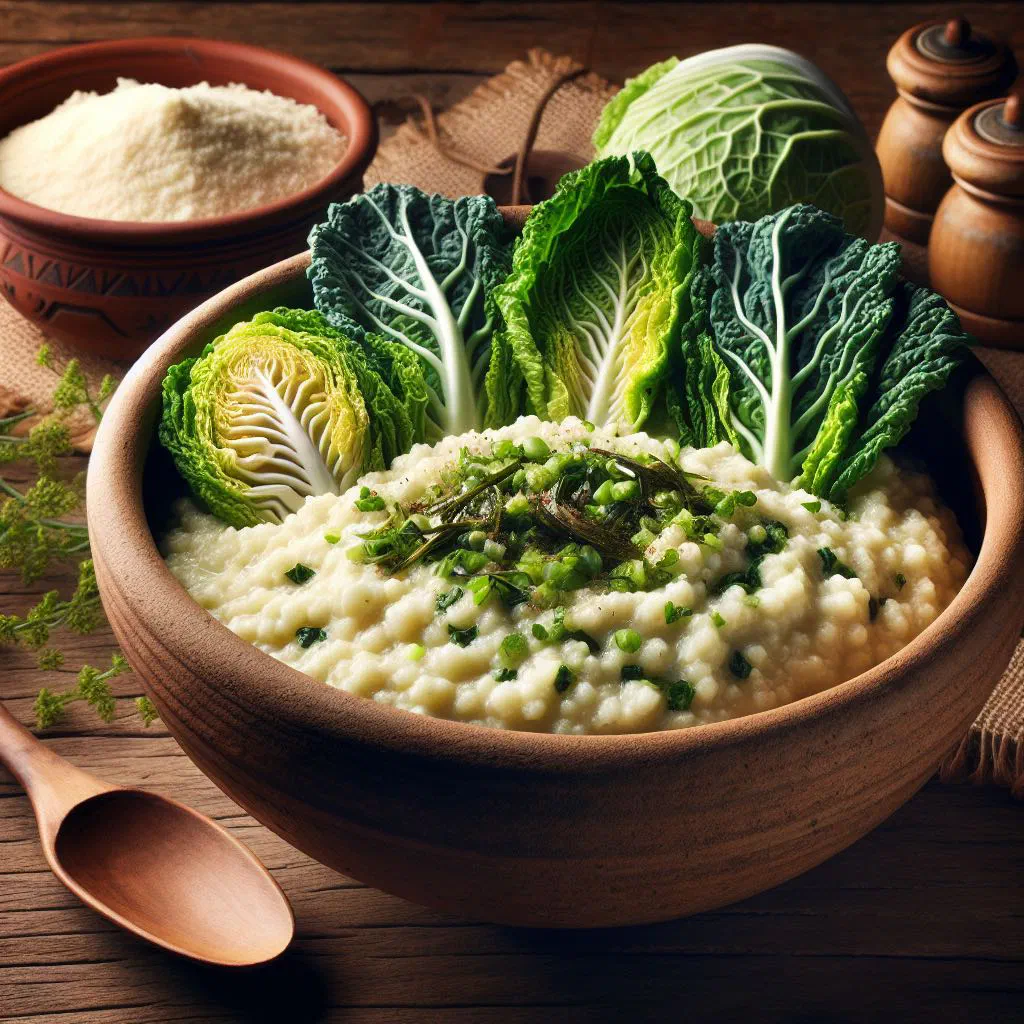
Meet Xima com Couve, a comforting classic that sits at the heart of Mozambican home cooking. This simple yet satisfying plate pairs smooth, creamy maize porridge with a lightly spiced side of tender cabbage. Across much of Africa, maize is a cherished staple, and this dish shows just how versatile it can be. Nourishing, filling and easy to make, it brings a taste of authentic Mozambican flavour to your own kitchen with only a handful of everyday ingredients.
About Xima com Couve
Xima com Couve is a traditional dish from Mozambique that brings together a harmonious combination of creamy maize porridge and a tender cabbage side. It is easy to prepare and wonderfully nourishing and filling. In many African cultures maize is a fundamental staple food, and xima is a perfect example of just how versatile it can be. Let yourself be inspired by the authentic taste experience that Mozambique has to offer, much like you would with a hearty bowl of Matapa.
Ingredients (serves 1–2)
- 1 cup maize flour
- 4 cups water
- 2 cups chopped cabbage
- 1 onion, diced
- 2 tablespoons oil
- Salt and pepper, to taste
- Optional: spices such as paprika or garlic
Shopping for the ingredients
When choosing the ingredients for Xima com Couve, it is worth paying attention to quality. Fresh vegetables, and the cabbage in particular, make a real difference to the flavour of the dish. Wherever possible, opt for regional and organic produce. Visit local markets or a trusted grocery to track down the very best ingredients for the job.
Preparing the dish
Before you start cooking Xima com Couve, it helps to gather and prepare all of your ingredients. Chop the onion and the cabbage into small pieces so they cook evenly, and have the water for the maize porridge measured out and ready in advance.
Step-by-step instructions
- Bring 4 cups of water to the boil in a large pan.
- Add the salt and stir in the maize flour a little at a time to avoid lumps.
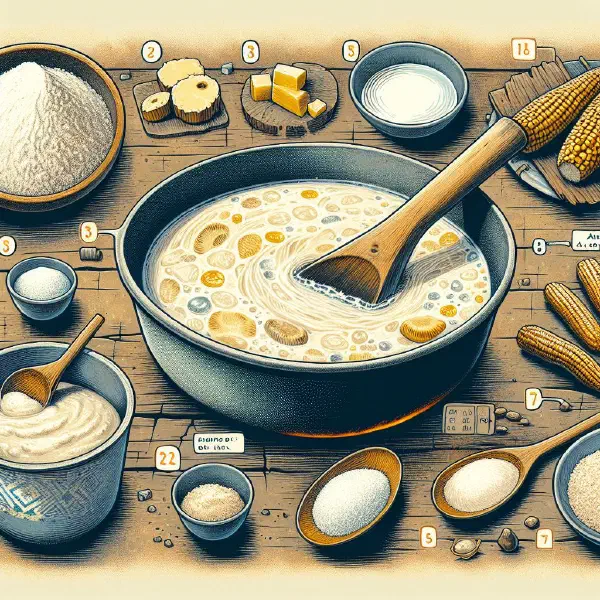
- Reduce the heat and let the mixture simmer, stirring constantly, until it is thick and creamy (about 15–20 minutes).
- In a separate pan, heat the oil and sauté the onion until translucent.
- Add the chopped cabbage and cook until soft (about 5–7 minutes).
- Season the vegetables with salt, pepper and any optional spices.
- Serve the xima alongside the cabbage side. Enjoy.
Gluten-free / lactose-free version
The good news is that Xima com Couve is naturally gluten-free, as it is made with maize flour. Just take care that all of your other ingredients are gluten-free too. No extra steps are needed for a lactose-free version, since the recipe contains no animal products at all. It is a brilliant dish for anyone with special dietary requirements.
Tips for vegans and vegetarians
Xima com Couve is naturally vegan and vegetarian, which makes it a superb choice for anyone who prefers plant-based eating. Experiment with additional vegetables of your choice to boost the nutritional content and create new flavour variations. Fragrant herbs and spices can also be added to enrich the dish further. Enjoy it as a complete meal or serve it alongside other sides, such as a portion of Feijão com Coco.
More tips and tricks
For the best result, stir regularly as you cook so the xima does not catch and keeps its lovely creamy consistency. If the dish becomes too thick, simply add a splash of water to reach the texture you are after. For extra flavour, garnish with fresh herbs such as parsley or coriander. A little garlic or chilli can also add an interesting twist to the aroma.
Adapting the recipe to your taste
Everyone has their own preferences when it comes to flavour and texture. You might, for instance, use different greens such as spinach or carrots in place of the cabbage to discover new tastes. Experiment with a range of spices to tailor the dish to your liking. The possibilities are almost endless, and no version is wrong as long as it tastes good to you.
Ingredient substitutions
If you cannot get hold of fresh cabbage, frozen vegetables make a fine alternative and still give you a tasty side. Instead of maize flour you can also use polenta to achieve a similar consistency and flavour, the same principle that underpins a bowl of Papas de Milho. Adjust the cooking time slightly depending on the ingredients you use. This also makes it easy to adapt the dish to seasonal produce.
Drink pairing ideas
Xima com Couve pairs best with soft drinks such as fresh fruit juice or mineral water. A good iced tea or a refreshing ginger tea can also work beautifully, complementing the savoury flavour of the dish. If you would like to serve alcohol, try a light lager or a fruity white wine to please the palate. Be sure to serve the drinks at the right temperature to round out the whole meal.
Serving and presentation ideas
Presentation can have a big impact on the overall experience. Serve the xima and cabbage on a large, attractive plate, perhaps finished with a small sprig of herbs as a garnish. A colourful design lifts the dish even further. Use bright sides or even a few slices of fresh vegetables to bring out the colours and textures on the plate. It not only whets the appetite but turns the meal into an event.
A bit of history
Xima has its origins in the traditional kitchens of African countries, where maize counts among the main staple foods. In Mozambique, xima is often served with a variety of sides and forms part of many celebrations and family gatherings. Historically it reflects the agriculture and culture of the region. The dish symbolises the connection between people and is frequently regarded as a sign of hospitality, a value that runs right through Mozambican cuisine.
More recipe ideas
Summary: Xima com Couve
Xima com Couve is a truly nourishing and flavourful dish that embodies the culinary diversity of Mozambique. Its simple preparation and the freedom to adapt it to personal taste make it an ideal stand-in for everyday sides or main courses. Savour the flavours, the history and the culture this dish carries with it, and bring a touch of Africa into your kitchen. Give your next meal that little something special with this traditional recipe.