National Dish Myanmar: Bean Soup (Recipe)
In this article
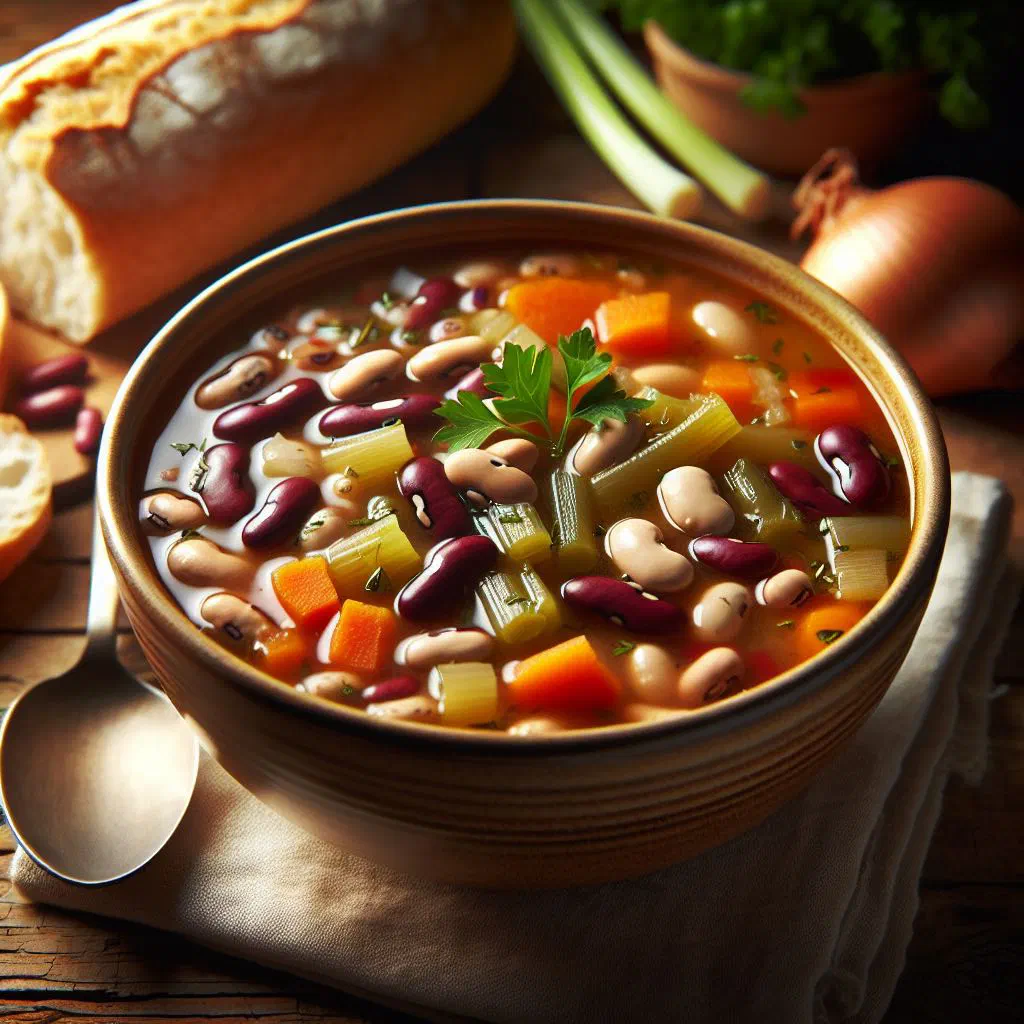
Warm, golden and quietly comforting, Bean Soup is one of Myanmar’s most dependable everyday dishes. Softly simmered pulses, a whisper of turmeric and a handful of fresh coriander turn a few humble store-cupboard staples into something genuinely nourishing. It comes together in well under an hour, asks very little of the cook, and captures the easy, generous spirit of Burmese home cooking in a single bowl.
About Bean Soup
Bean Soup is a cornerstone of Burmese cooking, a cuisine celebrated for its aromatic, wide-ranging dishes. The soup draws out the natural flavours of fresh ingredients and marries them with a blend of traditional spices. The result is both savoury and sustaining, equally at home as a light main course or as a side. Because it works with almost any variety of pulse, you can vary and adapt it endlessly to suit whatever is in the cupboard.
Ingredients (serves 1–2)
- 200 g red lentils
- 1 medium onion, diced
- 2 garlic cloves, chopped
- 1 teaspoon turmeric
- 1 teaspoon cumin
- 1 litre vegetable stock
- 1 tablespoon oil
- Salt and pepper to taste
- Fresh coriander leaves, to garnish
Shopping for the ingredients
The ingredients for bean soup are easy to find in most supermarkets or at an Asian grocery. Choose good-quality red lentils, as the freshness of what goes in has a real bearing on the finished flavour. Fresh spices lend the soup an intense aroma that enriches both its scent and its taste. It pays to shop a little in advance so everything is to hand once you are ready to cook.
Preparing the dish
Before you start on the bean soup, get all your ingredients ready. Rinse the lentils thoroughly under cold water to wash away any grit or residue. Then chop the onion and garlic, which cuts your working time considerably once the pan is on the heat. Have the spices measured out and waiting too. It makes the cooking process smoother and stops you skipping anything important.
Step-by-step instructions
- Heat the oil in a pan and add the onions. Fry until translucent.
- Add the chopped garlic and fry for a minute, until fragrant.
- Scatter the turmeric and cumin over the onions and garlic and let the spices toast briefly.
- Tip in the lentils, pour over the vegetable stock and bring everything to the boil.
- Lower the heat and let the soup simmer for 25–30 minutes, until the lentils are soft.
- Season with salt and pepper, and blend if you would like a creamier consistency.
- Serve hot, garnished with fresh coriander leaves.
Gluten-free / lactose-free version
Bean soup is naturally gluten-free and lactose-free, built as it is from little more than lentils and spices. That makes it an ideal choice for anyone with dietary restrictions. Do check, though, that the vegetable stock you reach for is also certified gluten-free. That one detail ensures the whole dish meets the requirements of a gluten- and lactose-free diet.
Tips for vegans and vegetarians
Bean soup is an excellent option for vegans and vegetarians, rich as it is in plant protein. The lentils provide a good source of nutrients and the creamy body that makes the soup so satisfying. You can stir in extra vegetables such as carrots or spinach to boost the nutritional value further. Experiment with different herbs and spices to give the dish even more character.
More tips and tricks
A few simple tricks will lift your bean soup: use fresh herbs to intensify the flavour and play with different spice combinations. A squeeze of lemon juice or a splash of balsamic vinegar just before serving adds a refreshing note. Letting the soup rest overnight in the fridge is worth doing too, the flavour deepens by the next day. Finally, feel free to play with the texture: blend it completely smooth or leave it chunky, exactly as you prefer.
Adapting the recipe to your taste
One of the best things about bean soup is its versatility. The ingredients adapt readily to your preferences or to whatever you happen to have in. If you like heat, add a little chilli or cayenne pepper; for a milder bowl, simply pull back on the spicing. The type of bean is open to change as well, kidney beans or black beans both bring variety, much as they do in a hearty Rice With Pe Byouk.
Ingredient substitutions
If a few ingredients for the bean soup are missing, there is no shortage of alternatives. Green or yellow lentils stand in nicely for red ones, with similar cooking times and a slightly different flavour. Vegetable stock can be swapped for chicken stock if that suits you better. The fresh herbs can vary according to what is available, still bringing out the range of flavour that makes your soup your own, the same easy-going approach that serves a Lentil Salad so well.
Drink pairing ideas
Plenty of drinks complement bean soup. A glass of fresh lime or lemon tea brings a pleasant brightness and rounds off the meal. Traditional tea, whether green or black, also goes beautifully with this savoury soup. If you would rather have something alcoholic, a light lager or a dry white wine makes a welcome addition that underlines the soup’s aromas.
Serving and presentation ideas
Thoughtful presentation can improve the experience considerably. Use deep, colourful bowls to show off the soup’s warm tones. Garnished with fresh herbs and a squeeze of lemon juice, it looks every bit as appetising as it smells. You might also arrange open sandwiches or fresh rolls on a separate plate to round out the meal and create an inviting table.
A bit of history
Bean soup has deep roots in Myanmar and appears in many cultures across the region. Pulses play a central role in traditional Burmese cooking: they are rich in protein and easy to store and prepare. This soup reflects the eating habits and the way of life of people who have long favoured simple, nourishing and flavourful food, the same instinct that shapes so much of Burmese cuisine. The recipe has developed over generations and is a symbol of community and culinary tradition.
More recipe ideas
Summary: Bean Soup
Bean soup is a delicious, nourishing dish that embodies the flavours and traditions of Myanmar. With simple ingredients and a recipe that bends easily to your liking, it is perfect for anyone keen to explore the country’s varied gastronomy. Served warm or cool, it brings not just comfort to the table but a piece of culture with it. Let the simplicity and taste of this hearty soup win you over, and give it a try today.