National Dish Myanmar: Burmese Curry (Recipe)
In this article
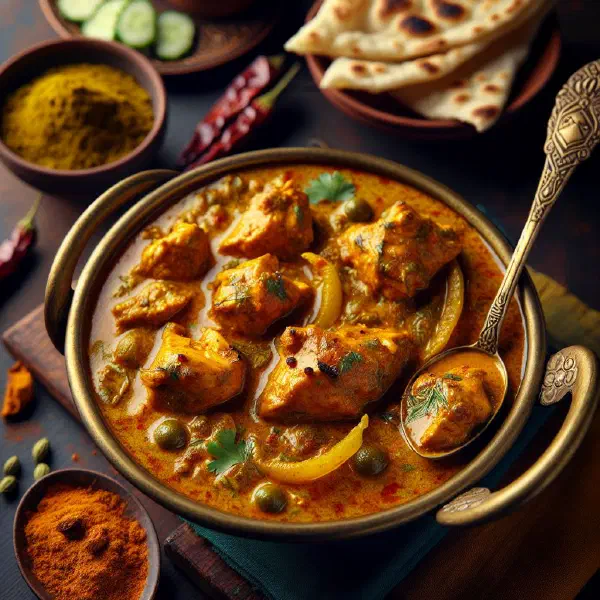
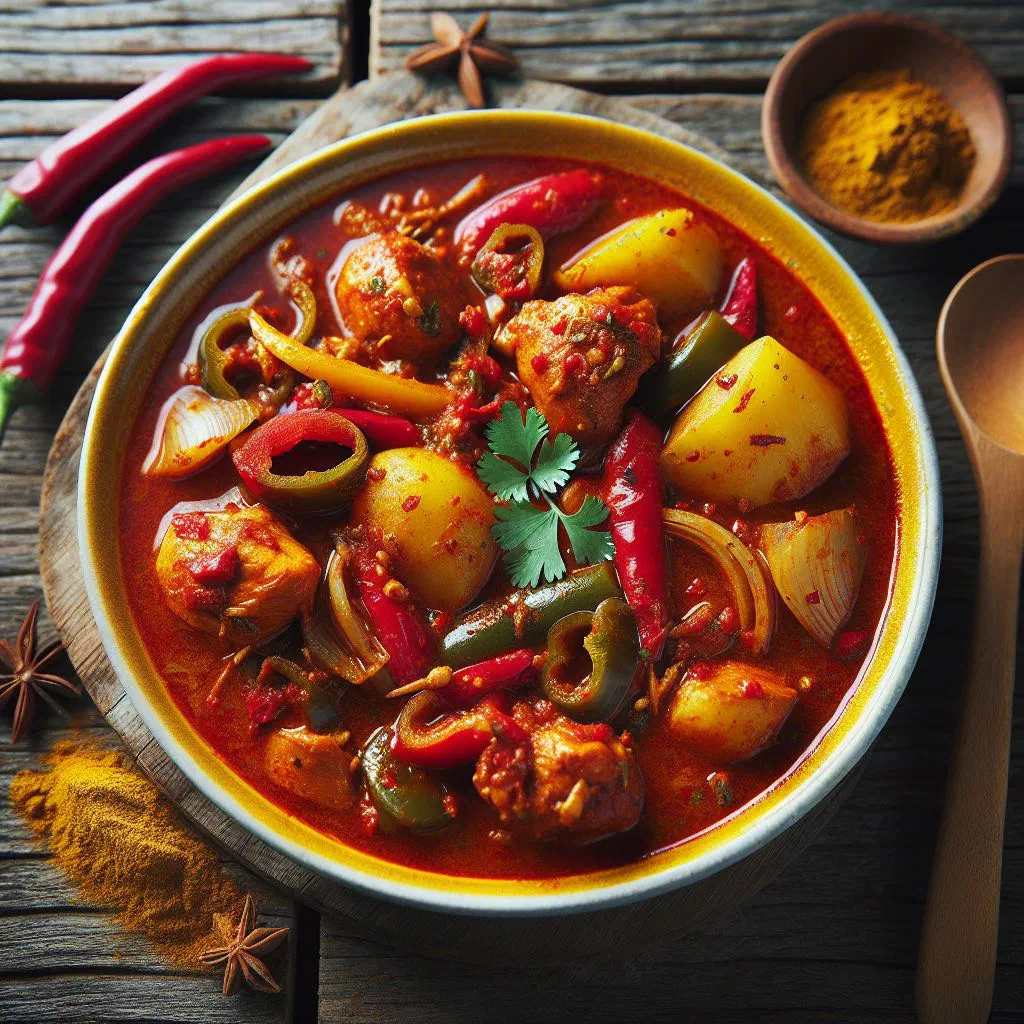
Step into the kitchens of Myanmar with Burmese Curry, a golden, gently spiced pot of comfort that has fed families for generations. Fragrant ginger, garlic and curry spices melt into rich coconut milk, while chicken, tofu or a handful of crisp vegetables soak up every drop of the sauce. It is as generous to look at as it is to eat, and endlessly forgiving, whatever you happen to have to hand.
About Burmese Curry
Burmese Curry sits at the very heart of the country’s cooking, prized for the way a long list of spices settles into one harmonious whole. Fresh vegetables, chicken or tofu are simmered slowly until they turn tender and take on the warm, earthy character that marks out the food of Myanmar. It is nourishing rather than heavy, and its vivid colours make it a feast for the eyes as much as the palate. Like the Tofu Curry, it rewards patience at the stove.
Ingredients (serves 1–2)
- 200 g chicken breast or tofu
- 1 large onion
- 2 garlic cloves
- 1 piece of ginger (about 2 cm)
- 2 tablespoons vegetable oil
- 2 tablespoons curry powder
- 1 tin coconut milk (400 ml)
- 1–2 cups fresh vegetables (carrots, peppers)
- Salt and pepper to taste
- Fresh coriander, to garnish
Shopping for the ingredients
To make an authentic Burmese Curry, it pays to seek out good-quality, genuinely fresh ingredients. A local market or a well-stocked Asian grocery is the best place to track down the spices and the pick of the vegetables. When choosing your meat, go for the best you can find, the flavour of the finished curry depends on it. For cooking, reach for a light, neutral oil such as sunflower or rapeseed, which lets the aromatics shine rather than masking them.
Preparing the dish
Good preparation is the making of any curry. Begin by cutting the chicken or tofu into evenly sized pieces so everything cooks at the same rate. Chop the onion, garlic and ginger finely, the smaller they are, the more readily they release their aroma into the oil. Prepare your chosen vegetables too, so they are ready to go into the pan once the sauce has come together.
Step-by-step instructions
- Heat the vegetable oil in a large pan over a medium heat.
- Add the chopped onions and fry until golden brown.
- Stir in the garlic and ginger and cook for about a minute.
- Scatter the curry powder over the onion mixture and stir well.
- Add the chicken or tofu and fry until lightly browned all over.
- Pour in the coconut milk and bring everything to the boil.
- Lower the heat, let the curry simmer and add the prepared vegetables.
- Season with salt and pepper to taste and simmer for a further 10 minutes.
- Serve hot, garnished with fresh coriander.
Gluten-free / lactose-free version
Burmese Curry adapts beautifully to gluten-free and lactose-free diets. None of the main ingredients contain gluten, so the dish is naturally suitable as long as your spices and oils are certified gluten-free. Coconut milk is dairy-free by nature, which means the curry is already lactose-free without any substitution at all. Anyone with particular dietary needs can therefore tuck in without missing out on a single note of flavour.
Tips for vegans and vegetarians
For a vegan or vegetarian version, simply swap the chicken for tofu, chickpeas or tempeh. Press the tofu dry first and, if you have time, marinate it beforehand so it carries more flavour into the pan. The vegetables are entirely up to you, which leaves plenty of room for seasonal produce and creative combinations, the same freedom you get with a Pumpkin Curry. Just check that every spice blend and sauce you add is free of animal products.
More tips and tricks
One tip worth following is to grind your spices fresh whenever you can, as they give up far more aroma that way and lend the curry real depth. A pinch of sugar or a squeeze of lemon juice near the end balances the flavours neatly. Best of all, make the curry a few hours ahead, like most slow-simmered dishes, it tastes even better the next day.
Adapting the recipe to your taste
Burmese Curry takes kindly to tinkering. Add fresh chillies if you like real heat, or ease back on the curry powder for something gentler. You can lean on more coconut milk for a mellower, creamier sauce, or reduce it further for a thicker, more concentrated one. Adjust the vegetables season by season and you will end up with a curry that tastes exactly the way you want it to.
Ingredient substitutions
If you find yourself short of an ingredient or two, there are plenty of alternatives. Lamb or beef work every bit as well as chicken, depending on your taste, and fish is a fine choice too if you enjoy the Fish Curry. For a lighter sauce, oat or almond drink can stand in for some of the coconut milk. The vegetables invite the same improvisation. Use whatever is at its best that week.
Drink pairing ideas
A lightly chilled drink is the natural partner to a spiced Burmese Curry, tempering the heat without dulling the flavours. Freshly brewed chai with milk or a fruity lemonade both do the job nicely. If you prefer alcohol, a light beer or a fruity white wine complements the coconut and spice rather beautifully. For something alcohol-free, try a fruit tea or sparkling water with a squeeze of lemon.
Serving and presentation ideas
Presentation matters when serving Burmese Curry. Choose plates that set off its golden colour and garnish generously with freshly chopped coriander or sliced chillies for a final flourish. A neat bowl of rice alongside creates an appealing contrast, Coconut Rice is especially good here. Small bowls of extra sides and sauces let your guests season the curry precisely to their own liking.
A bit of history
The cooking of Myanmar has been shaped by its neighbours, Thailand and India above all, and you can taste that influence in both the spicing and the technique. Curry has a long tradition here and is almost always served with rice, making it a cornerstone of the everyday diet, much as Myanmar cuisine treats rice as the anchor of any meal. Historically the dish stands for hospitality and appears often at celebrations and family gatherings. That culinary inheritance passes from one generation to the next and appeals to locals and visitors alike.
More recipe ideas
Summary: Burmese Curry
Burmese Curry is a genuine pleasure to eat and an inviting way into the warm, welcoming culture of Myanmar. Its aromatic spices and fresh ingredients make it easy to shape around your own preferences, and it slots effortlessly into gluten-free and vegan diets alike. Whether it anchors a quiet supper or takes its place on a festive buffet, this curry will win over your guests and bring a little Burmese joy to the table. Play with the variations and enjoy the sheer range of this wonderful cuisine.