National Dish Myanmar: Burmese Pickled Tea Leaves (Recipe)
In this article
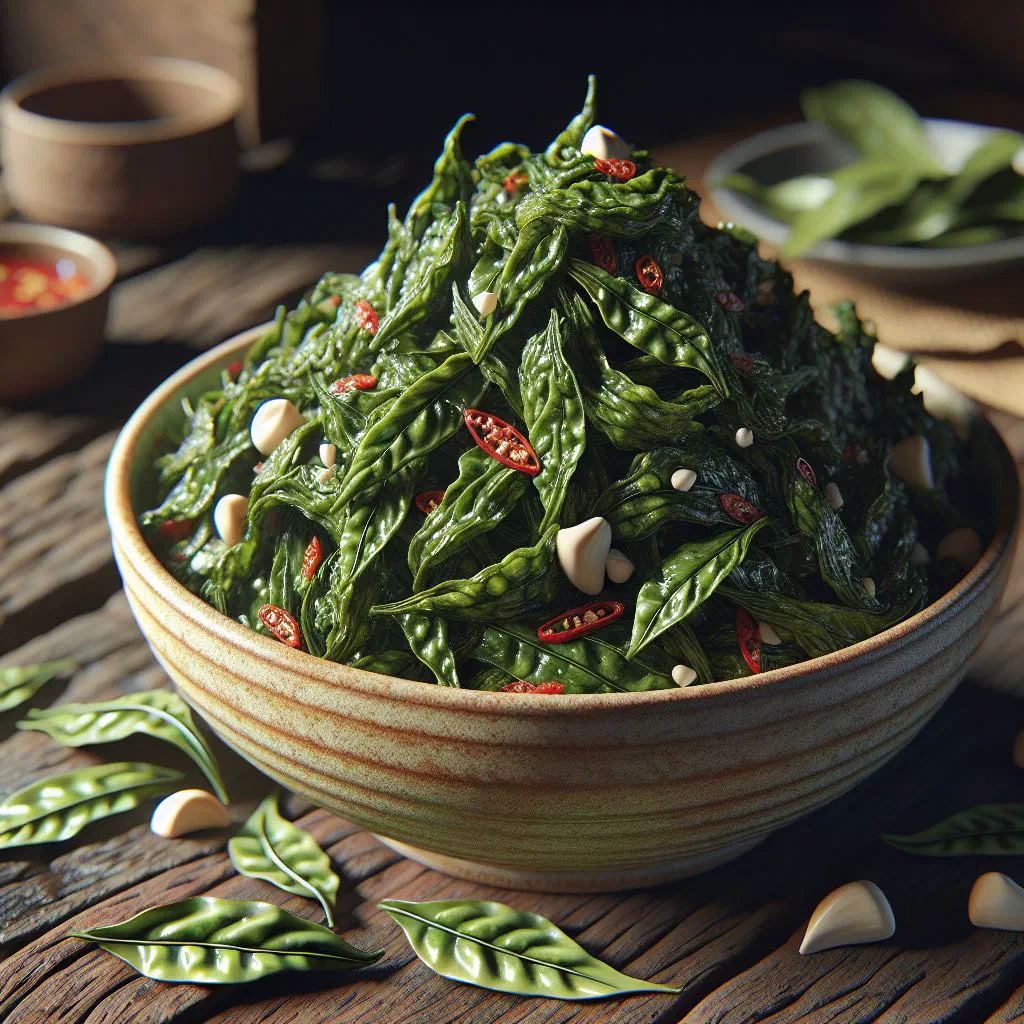
Meet Burmese Pickled Tea Leaves, the dish that turns tea from something you drink into something you eat. Known across Myanmar as lahpet, it takes gently fermented tea leaves and pairs them with crunchy roasted peanuts, sharp garlic and a bright squeeze of lime. The result is savoury, tangy and pleasingly bitter all at once, a snack with real character that comes together in minutes. Few dishes say more about the country’s table than this one.
About Burmese Pickled Tea Leaves
Burmese Pickled Tea Leaves, better known as lahpet, are a surprising and thoroughly delicious dish with a long tradition in Myanmar. The base is fermented tea leaves, which are then rounded out with a range of ingredients that deepen the flavour and bring the aromas together. Classic partners include peanuts, lime, garlic and an assortment of spices, and together they create a taste experience you do not forget in a hurry. Lahpet is far more than a snack: it is a genuine part of Burmese culture and is served with pleasure at social gatherings of every kind.
Ingredients (serves 1–2)
- 100 g pickled tea leaves
- 50 g peanuts, roasted
- 1 lime, cut into wedges
- 1–2 cloves of garlic, chopped
- 1 teaspoon sesame oil
- Salt and pepper to taste
- Fresh herbs (coriander or mint, for example), to garnish
Shopping for the ingredients
Before you start on the Burmese Pickled Tea Leaves, make sure you have every ingredient in the right quality. Pickled tea leaves are stocked by many Asian grocers and can often be ordered online as well. Choose peanuts that are fresh and unsalted so the flavour comes through cleanly. Fresh herbs such as coriander or mint are not merely decorative. They lift the whole aromatic profile of the dish.
Preparing the dish
Preparing Burmese Pickled Tea Leaves takes only a few simple steps, but they matter if the flavours are to open up properly. Begin by draining the tea leaves to remove any excess liquid. While that happens, toast the peanuts lightly in a dry pan so they release their full aroma. Chop the garlic finely beforehand to get the most out of it, and remember to cut the lime into wedges so it stays fresh and juicy right up to the moment of serving.
Step-by-step instructions
- Drain the pickled tea leaves thoroughly.
- Toast the peanuts in a dry pan for about 3–4 minutes, until lightly golden.
- Combine the chopped garlic and the peanuts in a bowl.
- Add the drained tea leaves and mix well.
- Season with sesame oil, salt and pepper, then toss again.
- Arrange on a plate and garnish with lime wedges and fresh herbs.
Gluten-free / lactose-free version
Burmese Pickled Tea Leaves are naturally gluten-free and lactose-free, which makes them an ideal choice for anyone with food intolerances. Just check that the peanuts and other ingredients are likewise free of gluten-containing additives. The fresh herbs and the sesame oil round the dish out without introducing any allergens. You can therefore enjoy it with a clear conscience and no need to think twice about gluten or lactose.
Tips for vegans and vegetarians
Burmese Pickled Tea Leaves are an excellent choice for vegans and vegetarians. The recipe contains no animal products whatsoever, so it is entirely plant-based. To add more variety, try folding in avocado or grated carrot. Those additions bring colour as well as extra nutrients to the plate, making an already wholesome dish healthier still, much like the fresh, veg-forward Pennywort Salad.
More tips and tricks
One tip worth remembering: let the tea leaves marinate for a few hours if you can, as this intensifies the flavour considerably. Feel free to experiment with different spices until you land on your own signature blend. Add chilli if you like a bit of heat. The choice of nut can vary too, cashews or almonds make for an interesting change of pace.
Adapting the recipe to your taste
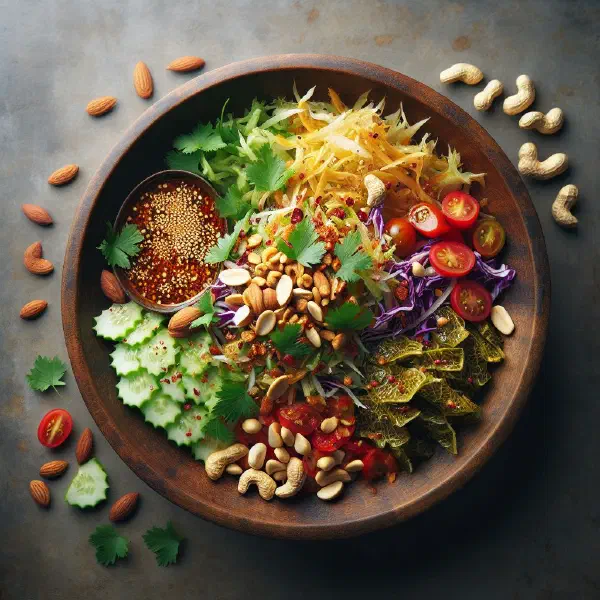
Burmese Pickled Tea Leaves adapt readily to personal preference. Increase the garlic for a punchier version, or ease off for something gentler. More lime sharpens the whole plate, while an extra spoonful of sesame oil makes it rounder and richer. Some cooks add sliced tomato or shredded cabbage for crunch, giving the dish a fuller, salad-like character.
Ingredient substitutions
If you are missing some of the ingredients for Burmese Pickled Tea Leaves, there are plenty of workable alternatives. Sunflower seeds stand in nicely for peanuts and offer a similar texture. For anyone with a citrus allergy, lime can be replaced with a splash of apple cider vinegar to supply the acidity. With the pickled tea leaves themselves, take care to choose a good quality product. It makes all the difference to the finished result.
Drink pairing ideas
To complete the experience of Burmese Pickled Tea Leaves, there are several drinks worth considering. A light, sparkling mineral water with lemon harmonises beautifully with the flavours of the dish. Tea lovers should reach for a chilled green tea, which complements the fresh, nutty notes perfectly. Alternatively, a fruity mocktail adds another dimension of flavour to the meal.
Serving and presentation ideas
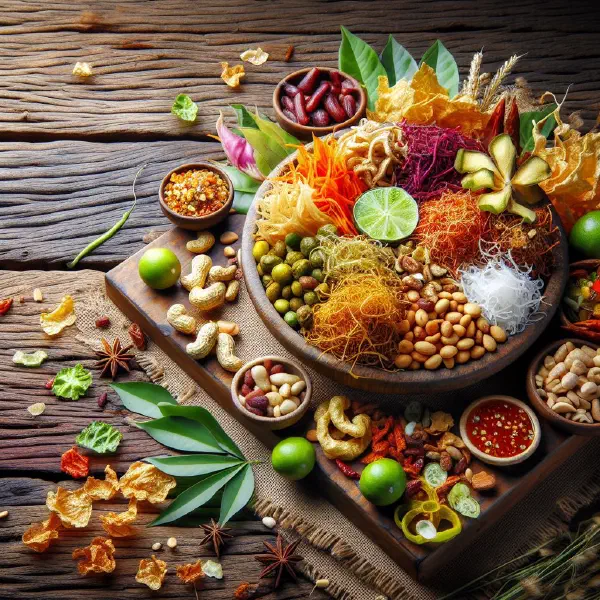
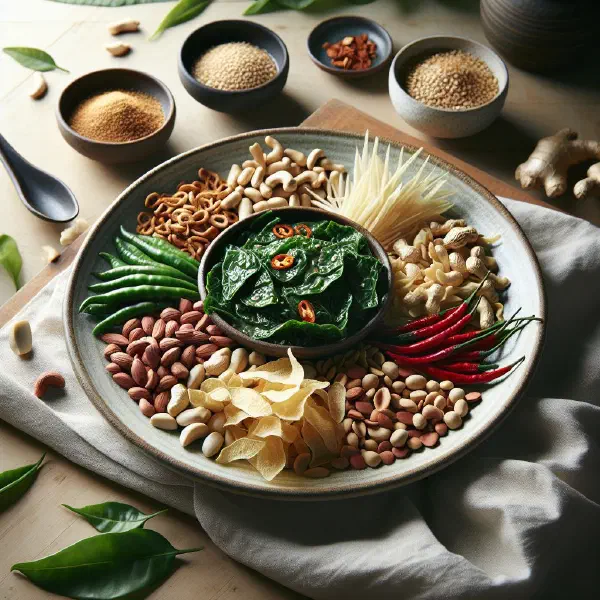
Presentation can raise the whole Burmese Pickled Tea Leaves experience. Use an attractive shallow dish so the colours of the ingredients can shine. Garnish with fresh herbs and serve the lime wedges in small bowls to give the plate a more inviting look. Play around with the arrangement as well, a little artistry goes a long way towards an appetising result, especially alongside a bowl of Mohinga.
A bit of history
Burmese Pickled Tea Leaves have a history rooted deep in the culture of Myanmar. They began life as a simple snack for labourers and farmers out in the fields. Today, though, they are a significant part of Burmese gastronomy and are prized at festivals and celebrations. The fermentation of the tea leaves not only gives them their characteristic flavour, it also makes them healthy and rich in nutrients, a cornerstone of Myanmar cuisine.
More recipe ideas
Summary: Burmese Pickled Tea Leaves
Burmese Pickled Tea Leaves are a fascinating dish that gathers the flavours of Myanmar into one simple but full-flavoured snack. With just a handful of ingredients it is easy to make at home, and it offers vegans and vegetarians alike a genuinely delicious option. Whether as a side or as a snack in its own right, lahpet is a rewarding experience for anyone keen to discover Burmese cooking. Give it a try and let the variety and aromas of Myanmar take you by surprise.