National Dish Myanmar: Khow Suey (Recipe)
In this article
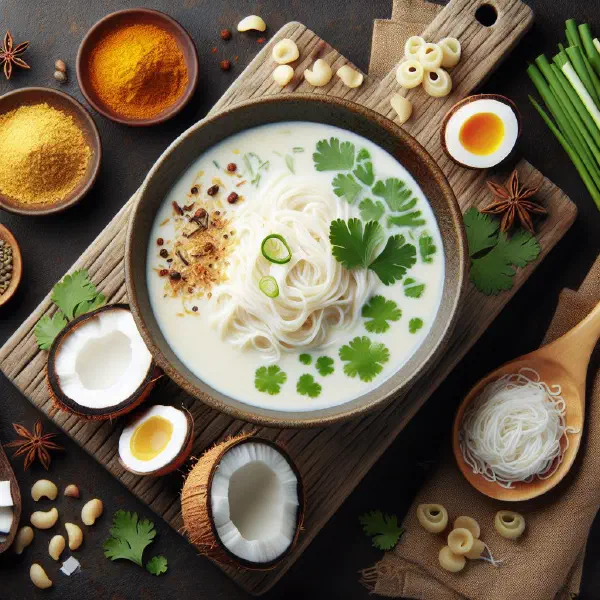
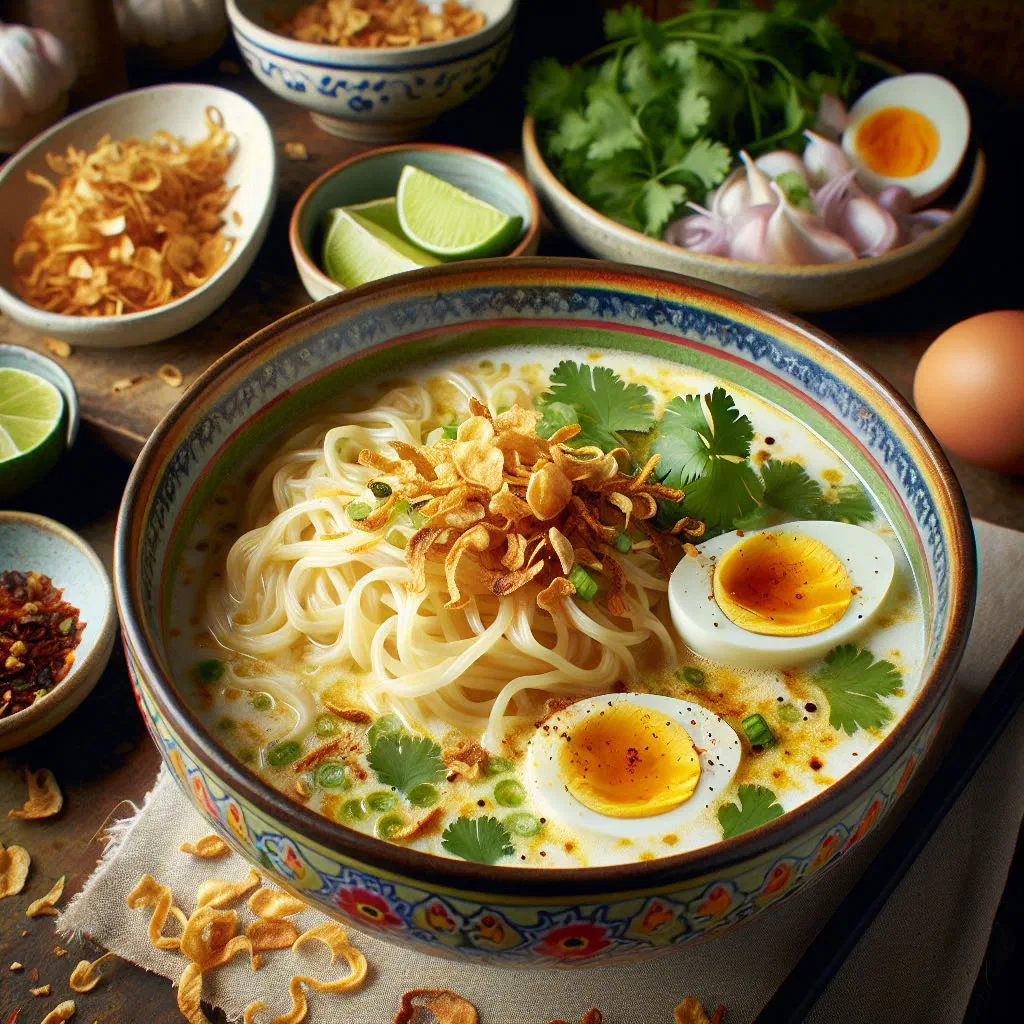
Meet Khow Suey, Myanmar’s soul-warming bowl of spiced noodles swimming in a silky coconut curry broth. It is the kind of dish that arrives at the table looking like a party: golden soup, tangles of egg noodles, and a scattering of fresh herbs and crunchy toppings that everyone piles on to taste. Rich but never heavy, gently spiced but full of character, it turns an ordinary evening into something worth lingering over.
About Khow Suey
Khow Suey is not simply a dish but an experience that seduces the senses. This delicious noodle soup from Myanmar is celebrated for its aromatic balance of spice and creaminess. The base is a gentle coconut curry sauce that pairs beautifully with tender cooked egg noodles. The bowl is usually finished with a generous handful of fresh herbs and crisp vegetables, which make it as colourful and inviting as it is comforting.
Ingredients (serves 1–2)
- 150 g egg noodles
- 400 ml coconut milk
- 2 tablespoons curry paste
- 1 onion, diced
- 2 garlic cloves, chopped
- 150 g vegetables (e.g. carrots, broccoli)
- Fresh herbs (e.g. coriander, spring onions)
- Oil, for frying
- Salt and pepper to taste
Shopping for the ingredients
When shopping for khow suey, look for fresh, good-quality produce. Egg noodles are stocked by most supermarkets and by any Asian grocery. For the coconut milk and the curry paste it is worth visiting a specialist shop to find genuinely authentic products. Do not forget fresh herbs such as coriander and spring onions, which round the whole dish off and lift the flavour.
Preparing the dish
Preparation for khow suey is simple and straightforward. Start by cooking the egg noodles according to the packet instructions. While they simmer away, chop the vegetables and get the sauce components ready. Having everything to hand before you start cooking speeds the process up considerably and keeps the whole thing relaxed, the same easy rhythm that makes a bowl of Coconut Noodle Soup so achievable on a weeknight.
Step-by-step instructions
- Heat the oil in a large pan and fry the diced onion and chopped garlic until translucent.
- Add the curry paste and stir well to release the aromas.
- Pour in the coconut milk and bring the sauce to the boil.
- Add the prepared vegetables and simmer for 5–10 minutes, until tender.
- Divide the cooked egg noodles between bowls and ladle the hot curry sauce over the top.
- Garnish with fresh herbs to taste and serve.
Gluten-free / lactose-free version
Khow suey adapts easily to particular dietary needs. For a gluten-free version, use gluten-free egg noodles or swap them for courgette noodles. To make it lactose-free, replace the coconut milk with another plant-based milk such as almond or oat, and choose a curry paste free from animal ingredients. These small adjustments mean everyone at the table can enjoy the same delicious flavours.
Tips for vegans and vegetarians
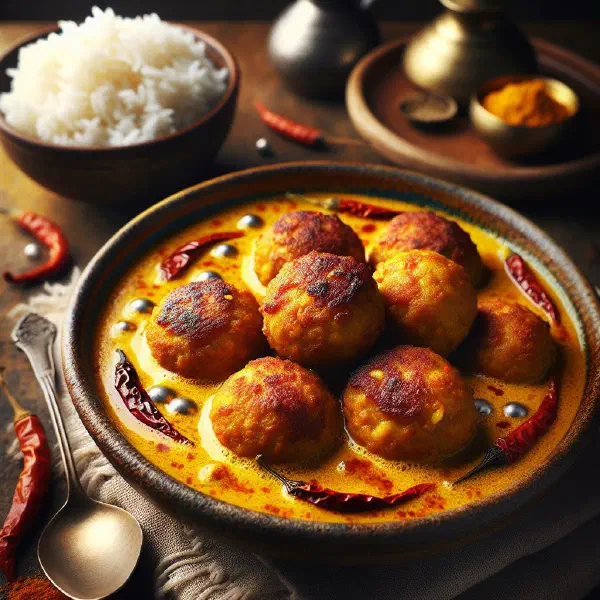
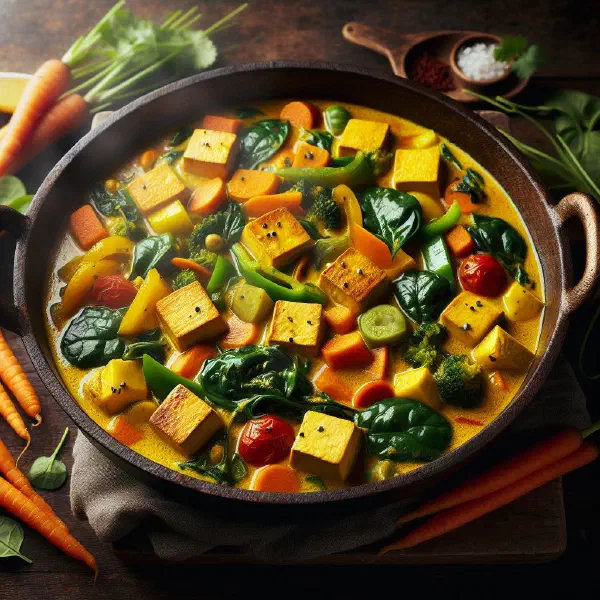
Vegans and vegetarians can adapt khow suey without difficulty by leaving out any meat and adding more vegetables or plant proteins such as tofu instead. Check that the curry paste contains no fish sauce or other animal products. When it comes to the vegetables, feel free to be creative, seasonal picks such as courgette or peppers make the bowl more nourishing still. A Tofu Curry shows just how well the same coconut base works with plant-based protein.
More tips and tricks
To get the very best from your khow suey, taste and adjust the sauce carefully before it goes over the noodles. A squeeze of lime juice lends the aromas a refreshing lift. Vary the vegetables to match what is in season, the more colourful, the better. You can also make the dish ahead and reheat it when serving, which gives the flavours time to meld completely.
Adapting the recipe to your taste
Khow suey is a wonderfully adaptable dish that bends easily to your own preferences. Add hot chillies if you like more heat, or leave it as a milder coconut milk sauce. Switching the vegetables and choosing different toppings also adds a great deal of variety. There is no limit to what you can try.
Ingredient substitutions
If you do not have every ingredient for khow suey to hand, there is no need to worry. The egg noodles can be swapped for rice noodles or even quinoa. Instead of coconut milk, cashew cream will deliver much the same creamy effect. Frozen vegetables work perfectly well in place of fresh ones and match them for flavour and texture, keeping this bowl within reach whenever the mood strikes, much as Fried Rice Noodles do with whatever is in the fridge.
Drink pairing ideas
Plenty of drinks pair well with khow suey and complement its flavours beautifully. An ice-cold beer or a fruity white wine makes a pleasant companion. For an alcohol-free option, ginger lemonade or coconut water is perfect for gently balancing the spices. Experiment with different combinations to find the one that suits your own palate best.
Serving and presentation ideas
Presentation plays an important part in the khow suey experience. Serve the soup in deep, colourful bowls and garnish it with fresh herbs on top. A selection of toppings, such as roasted peanuts or crispy onions, can be set out alongside so guests can build their own combination. A decorative lime wedge or a few chillies make the dish more appealing still.
A bit of history
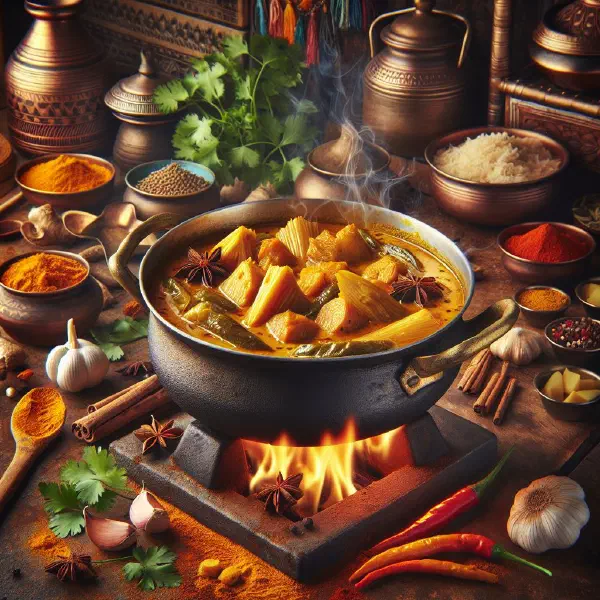
Khow suey has its roots in Burmese cooking and reflects a fused culture drawn from many regions and influences. Originally introduced by Indian immigrants, it is now a central part of Myanmar’s cuisine and its everyday food culture. Its popularity has spread well beyond the country’s borders, and it appears on menus in Asian restaurants around the world. A dish that combines tradition and taste, every bowl tells stories of times past and of cultural exchange, a lineage it shares with Ohn No Khao Swe.
More recipe ideas
Summary: Khow Suey
Khow suey is a captivating dish that offers a truly intense taste experience. With its delicious combination of coconut milk, egg noodles, fresh herbs and flavourful vegetables, it suits any occasion. Whether for a sociable evening with friends or as a warming meal on a cold day, this national dish from Myanmar lifts both hearts and palates. Let its variety inspire you and try a few adaptations of your own.