National Dish Myanmar: Tamarind Leaf Curry (Recipe)
In this article
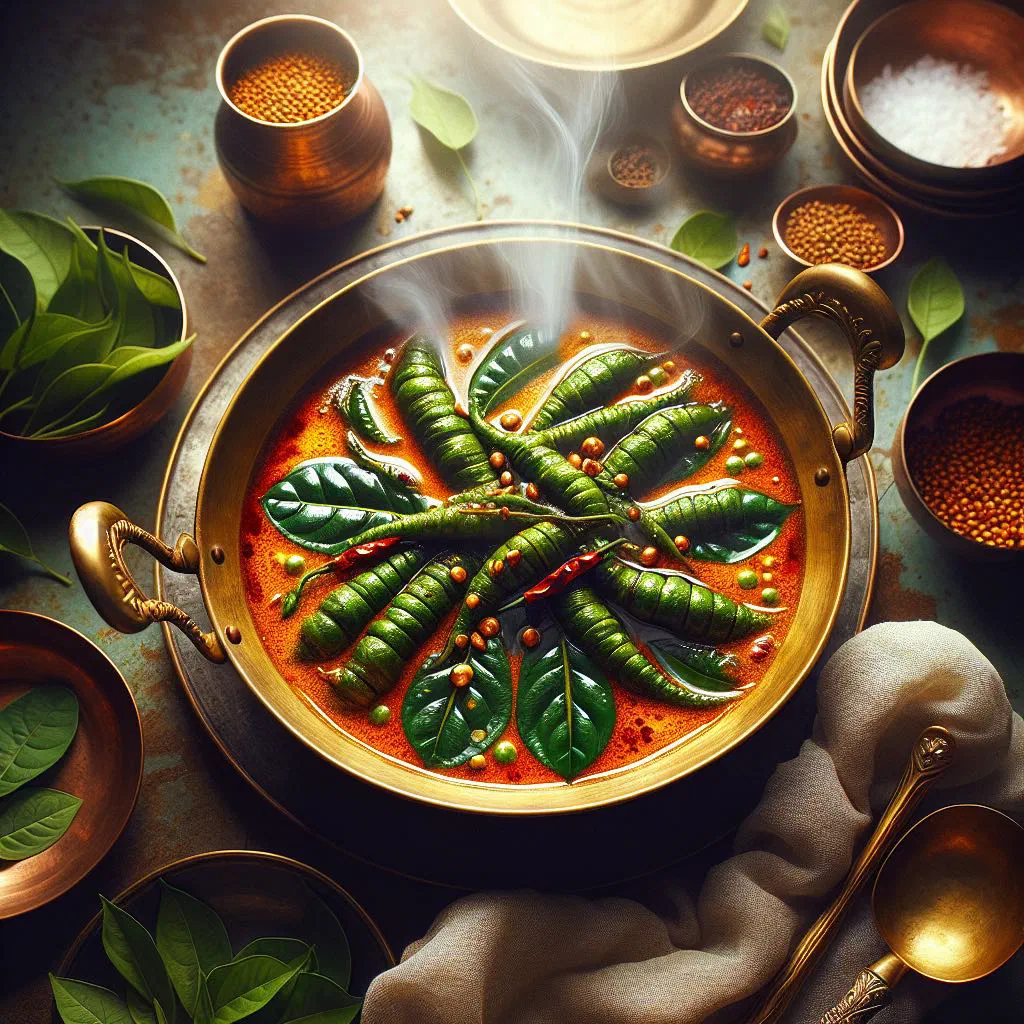
Meet Tamarind Leaf Curry, a bright and quietly clever dish that shows off everything good about the kitchens of Myanmar. Fresh tamarind leaves bring a gentle sourness that plays beautifully against warm turmeric and cumin, while onion, garlic and ginger build a fragrant base underneath. It is entirely plant-based, comes together in well under half an hour, and proves that a handful of humble, locally grown leaves can carry a whole meal.
About Tamarind Leaf Curry
Tamarind Leaf Curry is a rising star that captures the richness and variety of the cuisine of Myanmar. It makes the most of fresh tamarind leaves, known for their distinctive tangy note, and pairs them with a generous mix of aromatic spices and vegetables. The dish is as much a pleasure to look at as it is to eat, and it wins over dedicated vegetarians and committed meat-eaters alike. The way tamarind leaves are used here says a great deal about local cooking: fresh, seasonal and grown close to home.
Ingredients (serves 1–2)
- 100g tamarind leaves
- 1 tablespoon vegetable oil
- 1 onion, finely chopped
- 2 cloves of garlic, crushed
- 1 small carrot, diced
- 1 small piece of ginger, grated
- 1 teaspoon turmeric
- 1 teaspoon cumin
- 200ml vegetable stock
- Salt and pepper to taste
Shopping for the ingredients
When you shop for your tamarind leaf curry, aim for fresh, good-quality produce. Most of what you need is easy to find in a well-stocked supermarket or at a local market. The tamarind leaves are the exception, ordinary shops rarely stock them, so it is worth heading to a dedicated Asian grocer. If you are unsure, just ask: the staff can usually point you towards fresh stock or suggest a suitable alternative.
Preparing the dish
First, wash the tamarind leaves thoroughly to remove any grit or dirt. Then get the rest of the ingredients ready, chop the onion finely, crush the garlic, dice the carrot and grate the ginger. Having everything prepped keeps the cooking relaxed and gives each layer of flavour room to develop properly.
Step-by-step instructions
- Heat the vegetable oil in a large pan over medium heat.
- Add the chopped onion and fry until golden.
- Stir in the crushed garlic and grated ginger and cook briefly until fragrant.
- Add the diced carrot along with the turmeric and cumin, and stir well to coat.
- Pour in the vegetable stock and bring everything to the boil.
- Add the tamarind leaves and let the curry simmer gently over low heat for around 10 minutes.
- Season with salt and pepper, stir through and serve.
Gluten-free / lactose-free version
Tamarind leaf curry is naturally gluten-free, as it contains no wheat products whatsoever, good news if you are avoiding gluten. It is also free from milk and dairy, which makes it a straightforward choice for anyone who is lactose intolerant. Between the two, this is an easy dish to put on the table when your guests are following different diets.
Tips for vegans and vegetarians
Tamarind leaf curry is an excellent option for vegans and vegetarians, being fully plant-based while still delivering a nourishing, flavourful meal. Feel free to add whatever vegetables you have to hand to give it more variety. Chickpeas or other pulses are well worth considering too. They push up the protein content and add extra substance, much as they do in a hearty Tofu and Vegetable Curry.
More tips and tricks
A few small touches will make your tamarind leaf curry even better. Try adding a pinch of sugar as you fry off the spices. It balances the sourness nicely. A scattering of fresh herbs such as coriander or basil just before serving gives the dish an aromatic lift. And do let the curry rest for a few minutes off the heat: the flavours come together far better with a little time.
Adapting the recipe to your taste
This curry takes very well to tinkering. If you like a bit of fire, throw in fresh chillies or hot peppers. For a creamier result, stir through some coconut milk, which brings its own lovely sweetness, the same trick that gives Pumpkin Curry its silkiness. Don’t hesitate to experiment with different vegetables or spice blends until you land on the version you like best.
Ingredient substitutions
If fresh tamarind leaves prove hard to track down, there are workable alternatives. Tamarind paste or tamarind powder will deliver a similar sour note. Other tart greens such as spinach or chard can stand in as well, though they won’t quite reproduce the curry’s signature character. You’ll find a comparable sourness at work in Sour Soup with Roselle Leaves.
Drink pairing ideas
A refreshing drink rounds out the whole experience. Fresh lemonade or an aromatic mint tea both sit well alongside this curry. If you’d like something with a bit more heft, a light, crisp white wine works nicely, while apple juice makes a good alcohol-free choice. Whatever you pour, keep it on the lighter side so the curry’s fresh flavours stay front and centre.
Serving and presentation ideas
Food should please the eye as well as the palate. Serve your tamarind leaf curry in an attractive bowl and garnish it with fresh herbs or toasted nuts. Colourful side dishes create an appealing contrast, a bowl of Coconut Rice or a bright quinoa works beautifully and completes the plate.
A bit of history
Tamarind leaf curry has its roots in the rich, varied culture of Myanmar, where the cooking is shaped by regional ingredients and long-standing methods. Tamarind is prized not just across Asia but around the world for its versatility. This curry reflects the cultural depth of Myanmar’s food traditions, which have long absorbed and blended a range of influences. It is a dish that carries both history and flavour.
More recipe ideas
Summary: Tamarind Leaf Curry
Tamarind leaf curry is a genuine highlight of Burmese cooking, winning people over with its unusual pairing of aromatic spices and fresh ingredients. It is simple to make and an outstanding choice for vegetarians and vegans looking for something both nourishing and full of flavour. With a few easy adjustments you can shape the recipe around your own preferences and keep discovering new versions of it. Enjoy the flavours of Myanmar and bring a little of the exotic to your table.