National Dish Namibia: Beef Pot Roast (Recipe)
In this article
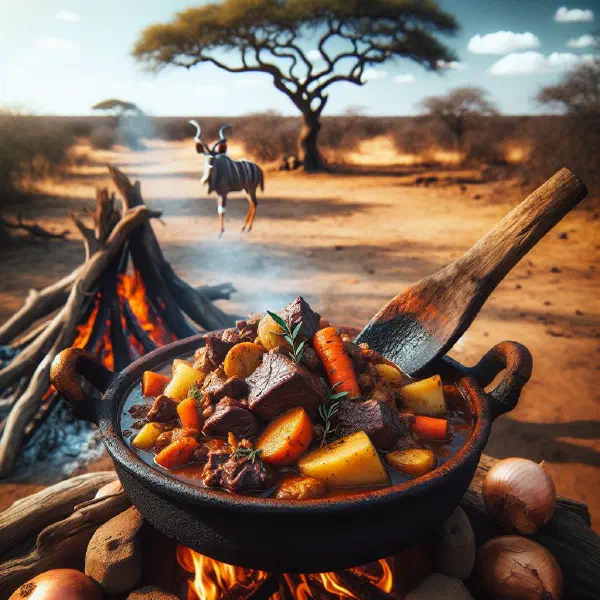
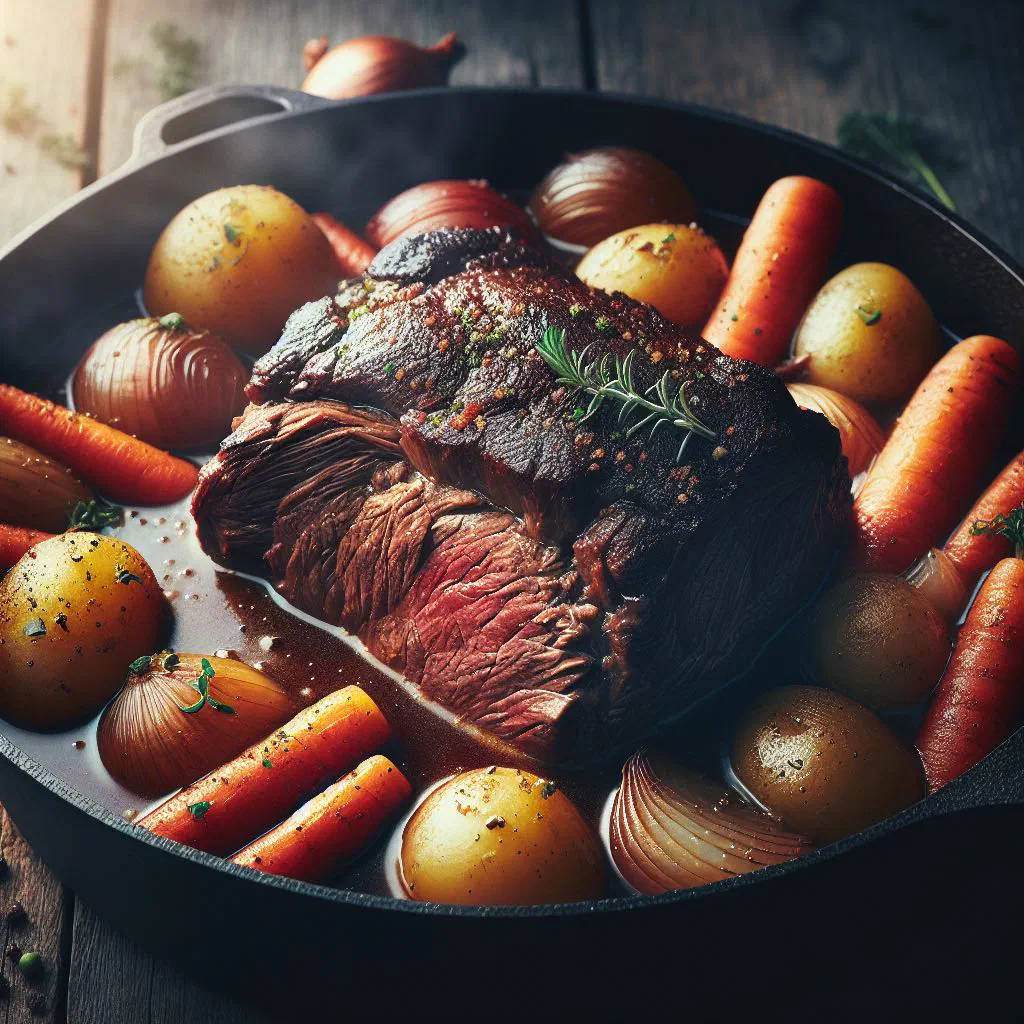
Discover Beef Pot Roast, the hearty classic that sits at the very heart of Namibia’s cooking. Tender chunks of beef are browned, then left to simmer for hours with sweet carrots, onions and a warm blend of spices until the meat falls apart at the touch of a fork. It is the sort of unhurried, generous dish that fills a kitchen with wonderful smells and draws everyone to the table long before dinner is ready.
About Beef Pot Roast
Beef Pot Roast is the traditional national dish of Namibia, celebrated for its deep aroma and the melting tenderness of the meat. Cooking everything together in a single heavy pot does more than concentrate the flavour of the beef. It also coaxes the best out of the chosen spices and the fresh vegetables that cook alongside it. Perfect for sociable occasions or a relaxed evening meal, this is a dish no lover of good food should miss, and it stands proudly beside other slow-cooked favourites such as Potjiekos.
Ingredients (serves 1–2)
- 500 g beef (shoulder or shin, for example)
- 2 large carrots
- 1 onion
- 2–3 cloves of garlic
- 1 cup beef stock
- 1–2 tablespoons vegetable oil
- 2 teaspoons paprika
- 1 teaspoon ground cumin
- Salt and pepper to taste
- Fresh herbs (thyme or rosemary, for example)
Shopping for the ingredients
The right ingredients make all the difference to a good Beef Pot Roast. Look out for fresh, high-quality beef, since the cut you choose shapes the flavour of the whole dish. Vegetables such as carrots and onions should be firm and crisp so they hold their own during the long cook. Most of the spices are easy to find in a well-stocked supermarket or a dedicated spice shop, which makes putting the dish together straightforward.
Preparing the dish
Begin by cutting the beef into evenly sized pieces so that everything cooks at the same rate. Wash, peel and chop the vegetables into similar-sized chunks. It also pays to line up the spices in advance, so you can add them quickly at the right moment without interrupting the cooking.
Step-by-step instructions
- Heat the vegetable oil in a large pot over a medium heat.
- Add the pieces of beef and brown them on all sides until they take on a rich golden colour.
- Lift out the meat and fry the onions, garlic and carrots in the remaining fat.
- Return the beef to the pot and season everything with salt, pepper, paprika and cumin.
- Pour in the beef stock and bring the pot to the boil.
- Reduce the heat and let the dish simmer gently for around 2–3 hours, until the meat is meltingly tender.
- Serve hot, garnished with fresh herbs.
Gluten-free / lactose-free version
Beef Pot Roast is naturally gluten-free and lactose-free, provided you use a gluten-free beef stock. It is worth checking that the spices and other store-bought ingredients contain no hidden gluten or dairy either. That makes the dish an easy choice when you are cooking for guests with food intolerances, and nobody has to miss out on a single mouthful.
Tips for vegans and vegetarians
For a vegan or vegetarian take on Beef Pot Roast, swap the beef for a mixture of mushrooms and tofu. Both soak up the spices beautifully and give a satisfying, meaty texture. Use vegetable stock in place of the beef stock to keep the dish entirely plant-based. Fresh herbs and generous seasoning matter even more here, and the same principle underpins a comforting Namibian Bean Stew.
More tips and tricks
A few small touches will lift your Beef Pot Roast considerably. Marinating the meat overnight in the spices and a little stock, for instance, increases tenderness and builds remarkable depth of flavour. Keep the heat steady while the pot cooks so the beef cooks evenly rather than in fits and starts. If you have one, use a cast-iron casserole, which spreads the warmth evenly and stops the meat from drying out.
Adapting the recipe to your taste
This recipe is flexible and adapts easily to personal preference. Add more vegetables such as celery or potatoes to make it even heartier. Play with the spices to explore different directions: a little chilli for extra heat, perhaps, or a pinch of cinnamon for a gently sweet note. Adjustments like these turn a familiar recipe into something that is unmistakably your own.
Ingredient substitutions
Cannot find a particular ingredient? No problem. If beef is unavailable, lamb or chicken work just as well, much as they do in a rich Kudu Stew. For a meat-free version, try a combination of chickpeas and quinoa to keep the dish high in protein and thoroughly filling. Even the stock can be replaced with a vegetable version without losing any of the richness.
Drink pairing ideas
Several drinks round out a plate of Beef Pot Roast nicely. A robust red wine such as a Merlot or Shiraz stands up well to the savoury flavours. If you would rather stay alcohol-free, homemade lime lemonade or a fruity iced tea both work beautifully, as does a chilled Marula Fruit Drink. Any of these bring the meal into pleasing balance.
Serving and presentation ideas
Presentation can lift the whole experience of this dish. Bring it to the table in a large, rustic casserole so everyone helps themselves and the mood stays convivial. A scattering of fresh herbs on top deepens the colours and adds a welcome burst of freshness. A side of Pap or warm bread completes the spread and will certainly impress your guests.
A bit of history
Beef Pot Roast grew out of an approach to cooking shaped by the Namibian landscape and the ingredients it provides. Cooking in a single pot over a low fire is a traditional method used across Africa for generations. It produces wonderful flavours, but it also gathers families and friends around one table to eat together and swap stories. In that sense the dish is a mirror of the warm, welcoming spirit of Namibian cuisine.
More recipe ideas
Summary: Beef Pot Roast
Beef Pot Roast is far more than a recipe; it is an experience that captures the true flavours of Namibia. Hearty in its preparation and generous with its spices, it brings people together and creates memories that outlast the meal itself. This dish will pleasure your palate and win over your guests. Give it a try and let the flavours of Namibia work their magic.