National Dish Namibia: Dama Ribs (Recipe)
In this article
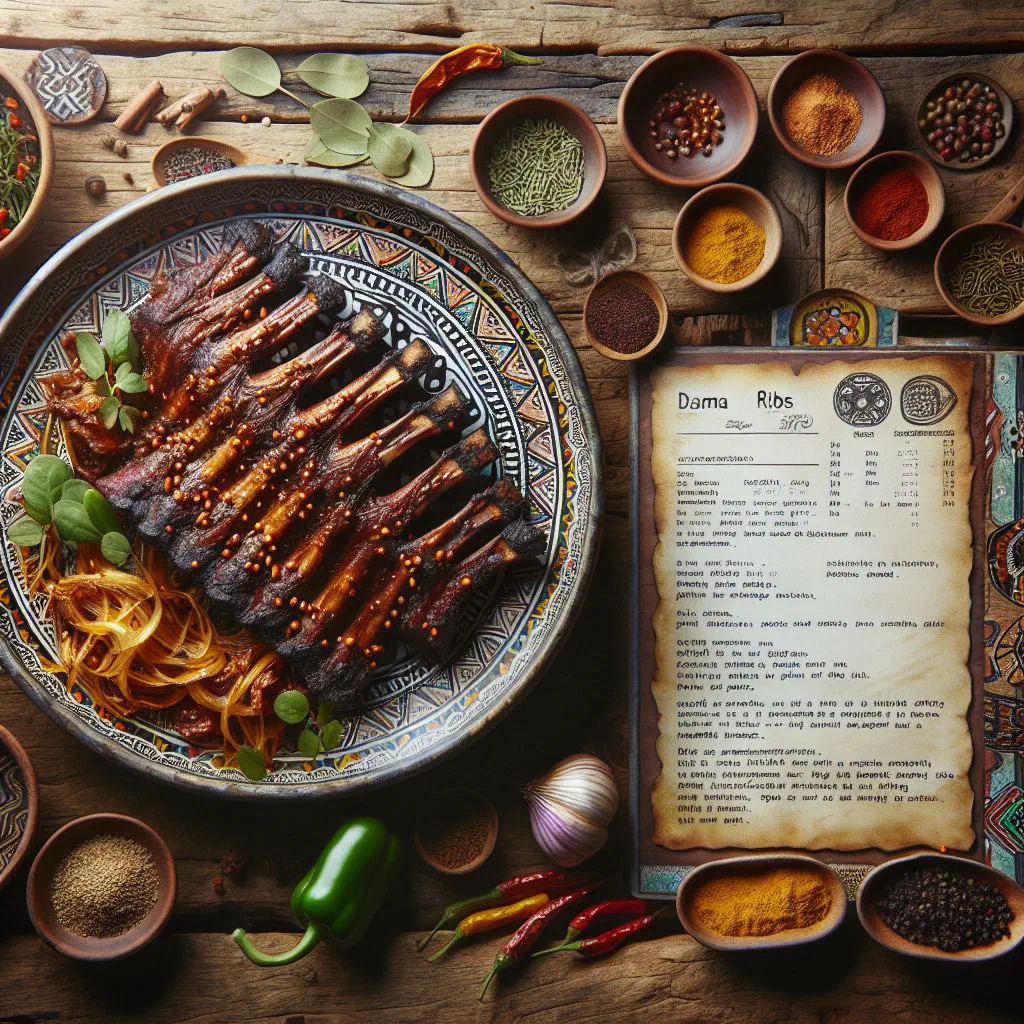
Meet Dama Ribs, one of the great treasures of the Namibian table. Tender, slow-cooked ribs are rubbed with a bright, smoky spice paste and finished over the coals until the edges turn deep and glossy. It is a dish built around fire, patience and generosity, the kind of food that draws everyone outside to stand around the grill. The result is memorable.
About Dama Ribs
Dama Ribs are a genuine highlight of Namibian cooking, combining tender, juicy ribs with a whole chorus of warming spices. They are a delicacy and a symbol of the country’s rich culinary traditions. With their distinctive flavour they offer a thoroughly African eating experience that wins people over immediately. Grilled over coals or roasted in the oven, this is a dish that lingers long in the memory.
Ingredients (serves 1–2)
- 500 g Dama ribs
- 2 tablespoons olive oil
- 2 teaspoons paprika
- 1 teaspoon ground cumin
- 2 garlic cloves, chopped
- Salt and pepper to taste
- Juice of one lime
Shopping for the ingredients
For Dama Ribs it is worth using good-quality ingredients. Visit a local butcher for fresh ribs and look for a nice marbling, as this delivers far more flavour. Spices and herbs are available in most supermarkets or in specialist African grocers, where you can also discover other Namibian staples. Choose fresh limes as well, since their juice makes all the difference to the finished marinade.
Preparing the dish
Preparing Dama Ribs is straightforward and takes only a few steps. First rinse the ribs thoroughly and pat them dry with kitchen paper. Then mix the marinade from olive oil, paprika, cumin, garlic, salt, pepper and lime juice. Spread this mixture evenly over the ribs to guarantee the best flavour, and let them marinate in the fridge for a few hours so the aromas can work their way right through the meat.
Step-by-step instructions
- Preheat the grill or oven to 180 °C.
- Place the marinated ribs on the grill rack or on a baking tray.
- Cook on the grill or in the oven for about 1½ to 2 hours, until nicely golden brown.
- Turn the ribs regularly and brush them with the remaining marinade as you go.
- Rest them briefly before serving, then cut into portions.
Gluten-free / lactose-free version
Dama Ribs are naturally gluten-free and lactose-free, so you can enjoy them without a second thought. Do check, however, that the spices you use contain no gluten-based additives. Some ready-made marinades hide sources of gluten, so read the labels carefully. Prepared this way the dish suits anyone with food intolerances while staying every bit as hearty and satisfying, much like a simple bowl of Mieliepap served alongside.
Tips for vegans and vegetarians
Although Dama Ribs are traditionally made with meat, there are creative ways to build a vegan or vegetarian version. Instead of ribs you might use marinated tempeh or seitan, both of which take on a convincingly grilled character. Grilled vegetables such as courgettes and aubergines can be prepared with the very same marinade for a wonderful result. These alternatives are wholesome and open up an appealing variation for anyone who prefers plant-based food, in the spirit of a Namibian Bean Stew.
More tips and tricks
To make Dama Ribs even more flavourful, experiment with different spices and marinades. A combination of honey and mustard adds sweet and tangy notes that sit beautifully against the meat. It also pays to cook the ribs slowly and at a low temperature to maximise tenderness. Serve them with a fresh salsa or an herb dip for an extra lift of brightness.
Adapting the recipe to your taste
The best thing about Dama Ribs is how easily they adapt to personal preference. Add extra hot spices if you like more heat, or reach for milder seasonings for a gentler result. The marinating time can be varied too: the longer the ribs sit, the more intense the flavour becomes. Experiment with your own ideas to turn the dish into something entirely your own.
Ingredient substitutions
If you cannot find Dama ribs, there are several alternatives worth trying. Lamb ribs or even chicken wings make a good choice and produce the same grilled aroma, as does a plate of Karoo Lamb Braai. Plant-based options such as jackfruit deliver an interesting texture while keeping all the pleasure of cooking over fire. Plenty of different cuts of meat or meat-free options let you vary the dish exactly as you please.
Drink pairing ideas
To get the most out of Dama Ribs, a wide range of drinks works well. A cool, light lager complements the hearty flavour of the ribs perfectly. Alternatively, a dry, fruity white wine such as Sauvignon Blanc harmonises beautifully with the spices. For an alcohol-free option, serve sparkling mineral water with a slice of lemon, which refreshes and cleanses the palate just as effectively.
Serving and presentation ideas
Presenting Dama Ribs can be every bit as enjoyable as cooking them. Serve the ribs on a rustic wooden board and garnish with fresh herbs and lime wedges. Add a colourful side such as a bright salad or grilled vegetables to make the plate visually appealing, a Namibian Cabbage Salad does the job nicely. A presentation like this will impress your guests and sharpen their appetite at the same time.
A bit of history
Dama Ribs have their origins in the traditional cooking habits of Namibia, where grilling plays a central role. Cooking meat over an open fire or on the grill has a long history in African culture and has been handed down from generation to generation. The dish symbolises hospitality and the delicious aromas found throughout Namibian cuisine. Through the fire and the use of regional spices you experience the authentic character of local cooking.
More recipe ideas
Summary: Dama Ribs
In short, Dama Ribs are an inventive and delicious dish that brings together the very best traditions of Namibian cooking. Cooked and presented with care, they are a real treat for the senses and a lovely way to celebrate the culture of Namibia. Give this recipe a try and let the flavours of Africa win you over.