National Dish Namibia: Lamb and Apricot Stew (Recipe)
In this article
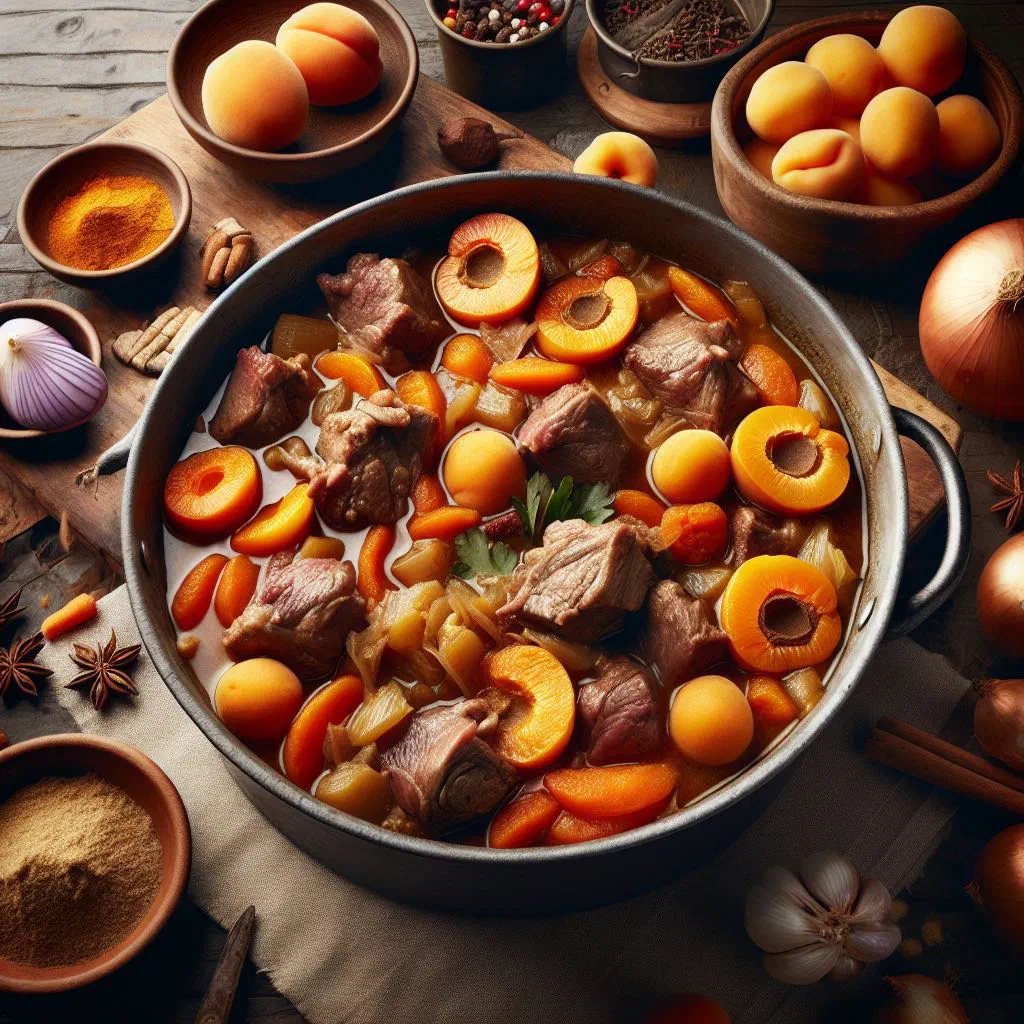
Discover Lamb and Apricot Stew, one of Namibia’s great culinary treasures. Tender lamb slowly simmered with sweet dried apricots and a warm blend of spices makes for a dish that visitors and locals alike come back to again and again. It is generous, unhurried food, the sort of pot that fills a kitchen with the scent of cumin and paprika and brings a real sense of African warmth and hospitality to the table.
About Lamb and Apricot Stew
Lamb and Apricot Stew is a genuine national dish of Namibia, celebrated for the way it balances savoury and sweet. Tender lamb meets soft apricots and a carefully chosen selection of aromatic spices that harmonise into something quite unmistakable. At the heart of Namibian cuisine, it is a well-known classic and a symbol of the country’s rich food heritage. Whether it appears at a relaxed supper with friends or at a celebratory family meal, this stew always feels like an occasion.
Ingredients (serves 1–2)
- 500 g lamb (shoulder works well)
- 200 g dried apricots
- 1 onion
- 2 cloves of garlic
- 2 carrots
- 500 ml lamb stock or vegetable stock
- 1 teaspoon paprika
- 1 teaspoon ground cumin
- Salt and pepper to taste
- Olive oil, for frying
- Fresh herbs (parsley, for example), to garnish
Shopping for the ingredients
When shopping for a lamb and apricot stew, quality is what makes the difference. The lamb should be fresh and well sourced, as this gives you the best aroma and the most tender texture. Dried apricots are stocked by most supermarkets and health food shops, and you can usually choose between unsweetened and sweeter varieties, the unsweetened kind gives you more control over the finished dish. Fresh herbs and good spices are equally worth seeking out, since they are what truly lift the stew.
Preparing the dish
Begin by soaking the dried apricots in warm water so they plump up and turn juicy. Cut the lamb into cubes and season generously with salt and pepper to draw out the flavour. Wash and finely dice the carrots and onions so that everything cooks evenly, and have your spices measured out and ready before the pan goes on the heat.
Step-by-step instructions
- Heat the olive oil in a large pot and brown the seasoned lamb on all sides until golden.
- Add the onion and garlic and fry until soft and fragrant.
- Stir in the carrots and the paprika and mix everything through thoroughly.
- Pour in the lamb or vegetable stock and bring the mixture to the boil.
- Reduce the heat, add the soaked apricots and the cumin, and let the stew simmer gently for about 1 to 1½ hours.
- Season to taste with salt and pepper and serve hot, garnished with fresh herbs.
Gluten-free / lactose-free version
Lamb and apricot stew is naturally free from gluten and lactose, which makes it an excellent choice for anyone with dietary restrictions. The one thing to check is the stock: some shop-bought varieties contain gluten, so look for a certified gluten-free stock or make your own. Fresh, natural ingredients such as lamb, vegetables and whole spices keep the dish safe and wholesome. The result is a hearty meal that suits a wide range of dietary needs without any compromise on flavour.
Tips for vegans and vegetarians
Although this is a meat dish at heart, it adapts readily to vegan and vegetarian cooking. Lentils, chickpeas or a hearty vegetable mix stand in beautifully for the lamb and soak up the spices just as well. Swapping the lamb stock for vegetable stock keeps the whole pot plant-based, much as it does in a Pumpkin and Peanut Stew. A slightly heavier hand with the spices and herbs makes up for the depth the meat would otherwise bring.
More tips and tricks
There are a few simple ways to take this stew further. A handful of nuts or flaked almonds stirred in near the end adds an appealing contrast in texture. It is also well worth cooking the stew the day before you plan to eat it, as the flavours deepen considerably as it rests. Experiment with additional spices such as cinnamon or fresh ginger to give the pot a personal signature.
Adapting the recipe to your taste
Adjusting this recipe to your own preferences is straightforward and makes the cooking more enjoyable. Add whichever vegetables you like best, or replace the apricots with other dried fruit such as prunes or figs. Tune the quantity of spices to your palate and try different herbs for an individual aroma. The dish is genuinely versatile and takes to changes without losing its character.
Ingredient substitutions
If some of the ingredients do not appeal, there are plenty of alternatives that preserve the stew’s subtle balance of flavour and texture. Chicken or beef can take the place of lamb, while mushrooms make a satisfying meat-free option with a similarly deep savouriness. Dried dates work as a sweet substitute for apricots. The stock, too, can be swapped for filtered water or a lighter broth if you want something less rich, a trick that also suits a Namibian Bean Stew.
Drink pairing ideas
Several drinks pair well with this hearty stew and bring out its aromas. A light red wine such as a Merlot or a Shiraz complements the warm spicing particularly well. For an alcohol-free option, sparkling mineral water with a squeeze of lemon cuts cleanly through the richness. A fruity tea, hibiscus or peach, is another fine choice, echoing the sweetness of the apricots.
Serving and presentation ideas
Presentation matters more than you might think with a dish like this. Serve the stew in deep bowls and garnish with fresh herbs for a lively splash of colour. Fresh bread goes beautifully alongside, as do traditional accompaniments such as couscous, rice or a soft Pap that soaks up the sauce. A table laid in warm tones and lit by candles turns the whole meal into something memorable.
A bit of history
Lamb and apricot stew has its roots in the traditional cooking of Namibia. The use of lamb as a source of meat runs deep in the country’s pastoral culture, where sheep farming has long played a central role. Apricots, valued for their sweetness, appear in many Namibian dishes and reflect the influence of the various communities who have shaped the country’s kitchens. Blending classic African methods with European techniques, this stew carries a genuinely interesting culinary history that has been passed down through the generations.
More recipe ideas
Summary: Lamb and Apricot Stew
Lamb and apricot stew brings together the rich flavours of Namibian cooking and makes a festive treat for almost any occasion. With tender lamb, sweet apricots and a harmonious blend of spices, it carries real traditional flair to the table. The method is refreshingly uncomplicated and adapts easily to different dietary needs. Let this recipe inspire you and enjoy a tour to Namibia.