National Dish Namibia: Omajowa Mushrooms (Recipe)
In this article
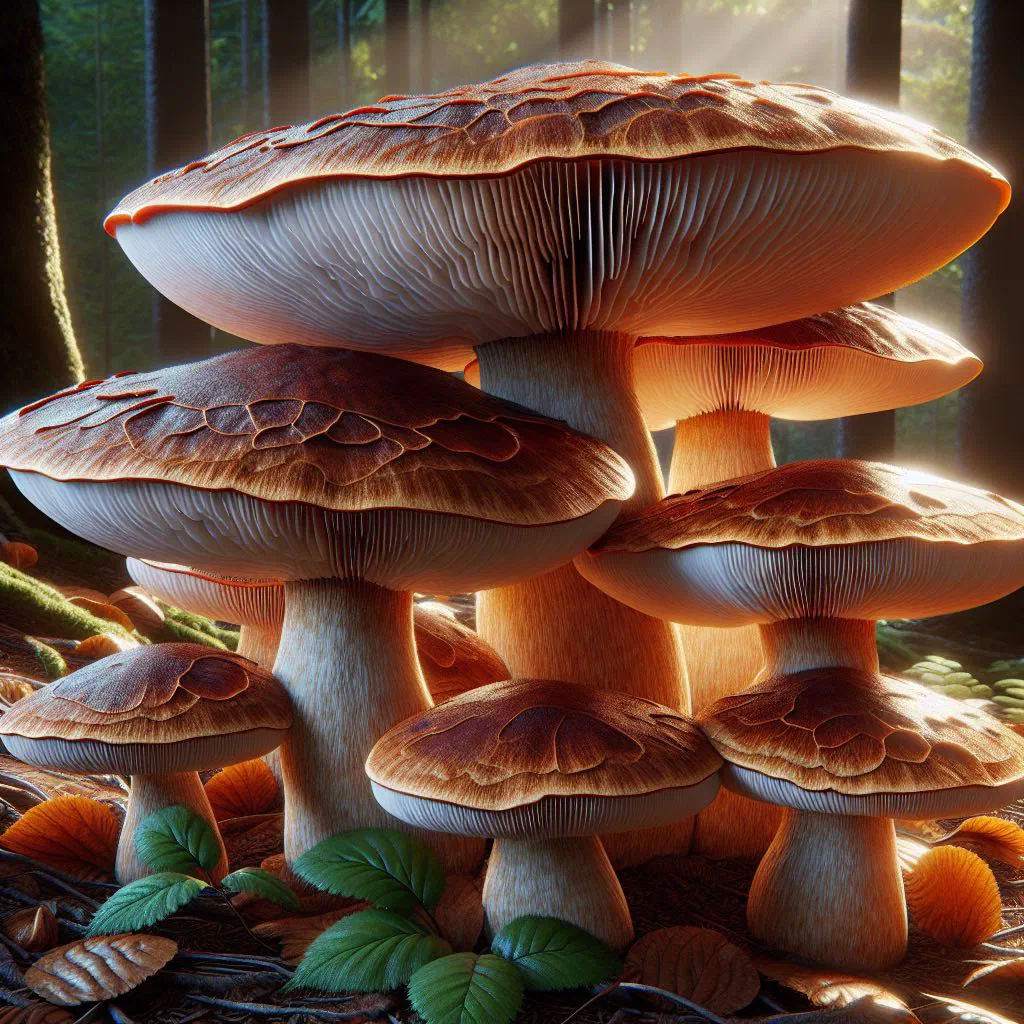
Discover Omajowa Mushrooms, a true treasure of the Namibian rainy season. These giant termite-mound mushrooms appear only for a few weeks each year, and their deep, earthy perfume makes them one of the most sought-after ingredients in the country. Pan-fried with onion, garlic and warm spices, they need very little help to shine. Bring a taste of the Namibian savannah into your own kitchen with this simple, satisfying recipe.
About Omajowa Mushrooms
Omajowa mushrooms, sometimes called termite-hill mushrooms, are considered a genuine delicacy in Namibian cooking. They grow on the termite mounds of the Namibian savannah and are harvested during the rainy season, when the first heavy showers coax them out of the earth almost overnight. What sets them apart is their intense aroma and their rich, earthy flavour, which lifts any dish they are added to. Eating omajowa is a culinary pleasure and a way of experiencing the traditional culture of Namibia first-hand.
Ingredients (serves 1–2)
- 200 g fresh omajowa mushrooms
- 2 tablespoons olive oil
- 1 onion, diced
- 2 cloves of garlic, chopped
- 1 teaspoon ground cumin
- 1 teaspoon paprika
- Salt and pepper to taste
- Fresh parsley, to garnish
Shopping for the ingredients
If you want to cook omajowa mushrooms, it is worth choosing fresh, high-quality ingredients. Omajowa mushrooms turn up in specialist markets and in local shops, particularly in regions with a strong southern African or Namibian food culture. Check the mushrooms for freshness and firmness before you buy: the caps should feel dense and dry rather than spongy. If you cannot track them down, ordinary chestnut mushrooms make a reasonable stand-in with a similar taste, though the texture is noticeably different.
Preparing the dish
Preparation begins with cleaning the mushrooms thoroughly to remove any grit or soil clinging to the stems. Brush rather than soak them, as they absorb water readily. Cut them into thick slices so that they cook evenly and keep some bite. Finely chop the onion and the garlic so they can release their aroma properly in the pan. These few steps make all the difference in bringing out the full character of the mushrooms.
Step-by-step instructions
- Heat the olive oil in a large frying pan over a medium heat.
- Add the diced onion and chopped garlic and sauté until soft and translucent.
- Add the sliced omajowa mushrooms to the pan and fry for around 5 minutes.
- Season with cumin, paprika, salt and pepper, then cook for a further 5–10 minutes until the mushrooms are golden brown.
- Serve hot, garnished with fresh parsley.
Gluten-free / lactose-free version
This omajowa recipe is naturally gluten-free and lactose-free, which makes it a great option for anyone with an intolerance. Do check the spice blends and oils you use, as some ready-made mixes contain wheat-based fillers. Avoid adding any further gluten-containing ingredients so the dish keeps its clean, straightforward character. That way you can enjoy the mushrooms in full without a second thought, much like a bowl of naturally gluten-free Mieliepap.
Tips for vegans and vegetarians
The dish is ideal for vegans and vegetarians, since every ingredient is plant-based. Omajowa mushrooms not only bring an unusual flavour but are also a good source of protein, which makes them satisfying enough to stand as a main course. If you would like to bulk the dish out, add extra vegetables such as peppers or courgettes. This gives you additional texture and colour, and makes the plate look considerably more inviting.
More tips and tricks
To get the best from these mushrooms, take care not to overcook them, or they will lose their delicate texture and turn rubbery. Keep the heat steady and give the mushrooms enough room in the pan so they fry rather than steam. Cooking them in an uncoated pan encourages browning and coaxes out an even deeper aroma. Experiment with different spices to nudge the dish towards your own taste.
Adapting the recipe to your taste
One of the joys of a recipe like this is how adaptable it is. If you like a bit of heat, add fresh chillies or a pinch of cayenne pepper. For a gentler, sweeter note, throw in carrots or pumpkin, which caramelise beautifully as they cook, the same principle behind Mashed Pumpkin with Spices. These small adjustments let you shape the mushrooms around your own flavour preferences and discover new combinations along the way.
Ingredient substitutions
If omajowa mushrooms are nowhere to be found, there are plenty of alternatives. Chestnut mushrooms are widely available and offer a similar earthy flavour, while shiitake bring a more intense, savoury depth. Oyster mushrooms are another good choice, as their meaty texture holds up well in a hot pan. These substitutes let you adapt the recipe without giving up that unmistakable mushroom character.
Drink pairing ideas
Several drinks round the meal off nicely. A homemade iced tea with a squeeze of lemon or a cold ginger beer both work well against the earthiness of the mushrooms. Wine drinkers should reach for a light white wine such as Sauvignon Blanc, which complements rather than competes with the aroma. For something more local in spirit, try a Marula Fruit Drink. The right choice of drink can shift the whole impression of the meal.
Serving and presentation ideas
Presentation matters if you want to impress your guests. Serve the mushrooms in an attractive bowl and garnish them generously with freshly chopped parsley or other colourful herbs. A handsome plate does a surprising amount of work in making the food look appetising. Give some thought to the side dishes too, a portion of Oshifima alongside makes for an inviting, well-balanced spread.
A bit of history
Omajowa mushrooms are an important part of Namibian culture and have long played a significant role in the diet of local communities. Their harvest is tied closely to the rains, which means that for many people they represent a valuable seasonal food source that arrives at a predictable moment in the year. They also feature in many traditions and celebrations. Cooking with them is not merely practical but a cultural expression, reflecting a close connection to the land and to farming practice, a thread that runs right through Namibian cuisine.
More recipe ideas
Summary: Omajowa Mushrooms
Cooking omajowa mushrooms offers a culinary experience of a rather special kind and a glimpse into the rich culture of Namibia. With their distinctive aroma and their versatility, they slot easily into all sorts of dishes and are simple to adjust to personal taste. These mushrooms are sure to be the highlight of the meal. Give the recipe a go and bring the variety and flavour of Namibian cooking into your own kitchen.