National Dish Namibia: Oshifima (Recipe)
In this article
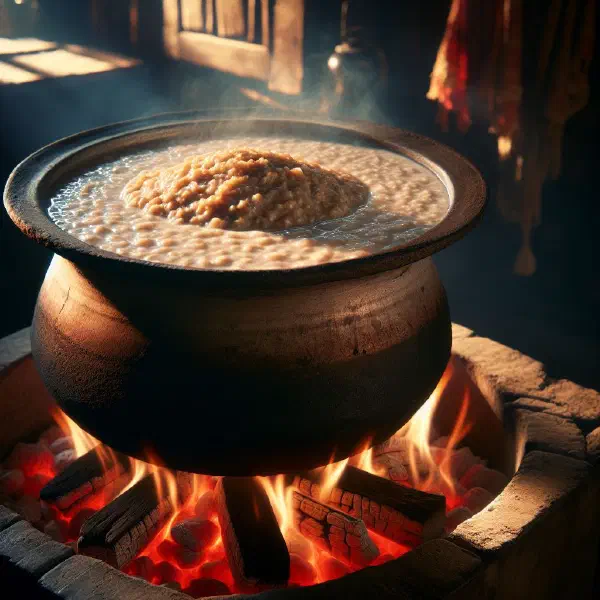
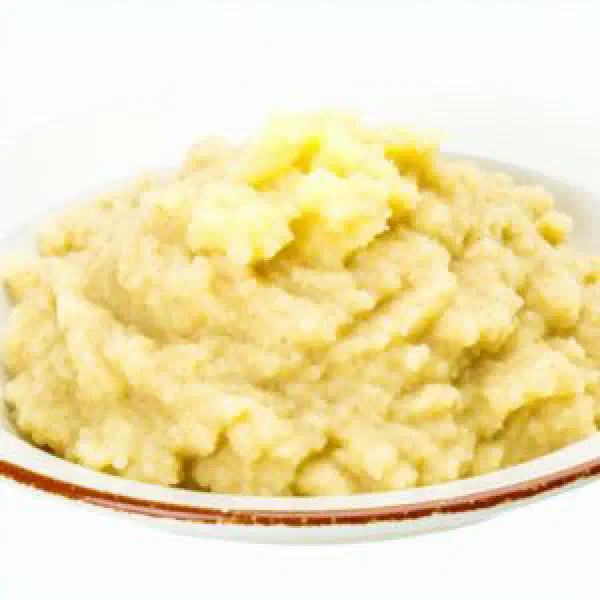
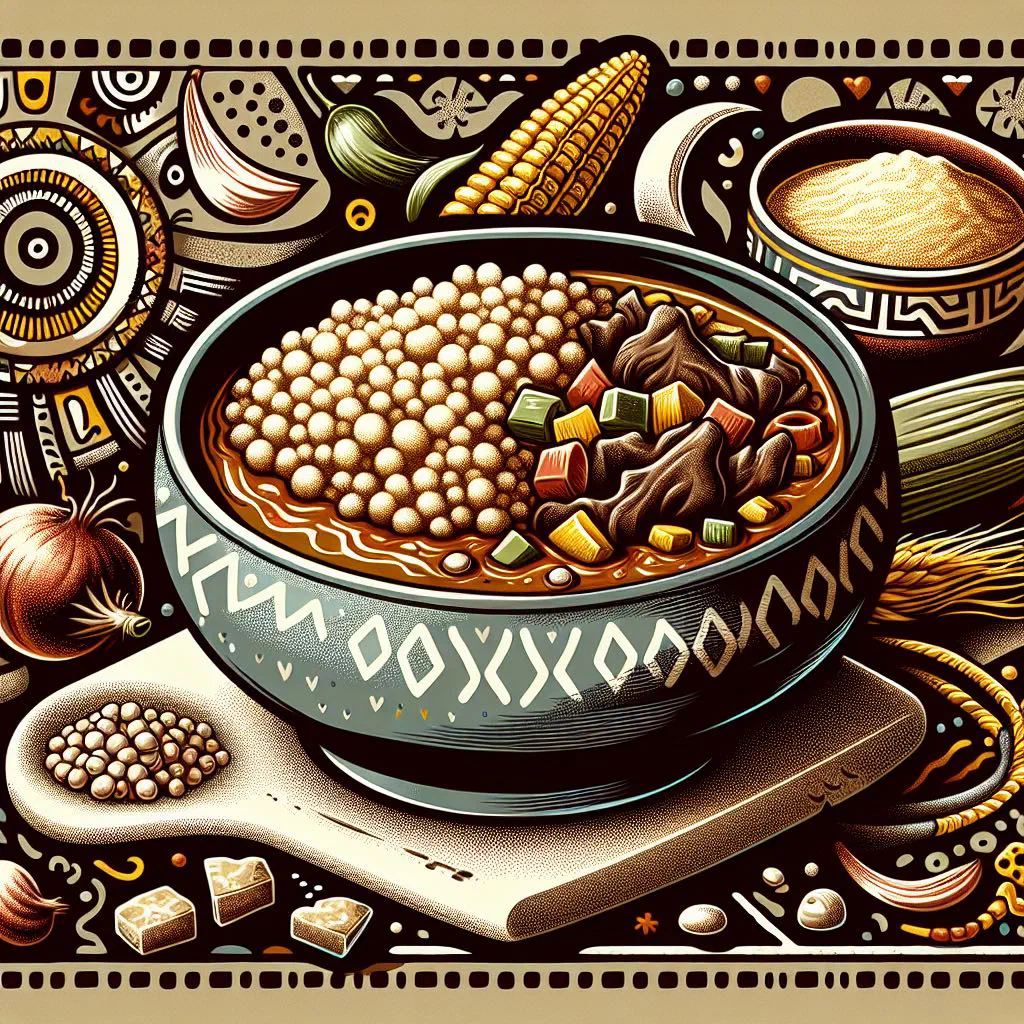
Oshifima is pearl millet porridge, and in northern Namibia it is called mahangu after the grain. It is stiffer and darker than maize pap, with a faintly sour, earthy flavour, and it is eaten by hand with a relish beside it.
About Oshifima
Oshifima is the staple of the Ovambo people, who make up about half of Namibia’s population. The grain is mahangu, pearl millet, which grows in sandy soil with very little rain, which is why it feeds the north.
The recipe below uses maize meal, which is the common substitute and what most urban households now use. Millet flour is the real thing.
Ingredients (serves 1–2)
- 1 cup maize meal
- 2 cups water (more as needed)
- A pinch of salt
- Meat or vegetables of your choice (optional)
- Spices (pepper, paprika and so on, to taste)
Shopping for the ingredients
Mahangu or pearl millet flour is sold in African shops and is worth seeking out for the real flavour. White maize meal is the usual substitute. Buy it fresh: milled millet goes rancid faster than maize.
Preparing the dish
Slurry the flour with cold water before it meets the boiling water. Use a heavy pan and a strong wooden spoon, because oshifima is stiffer than most porridges and the final stirring takes effort.
Step-by-step instructions
- Bring the water to the boil in a pan and add a pinch of salt.
- Reduce the heat and add the maize meal slowly, stirring continuously to prevent lumps forming.
- Cook the mixture over a low heat until it turns thick and pulls away from the pan, which takes around 10–15 minutes.
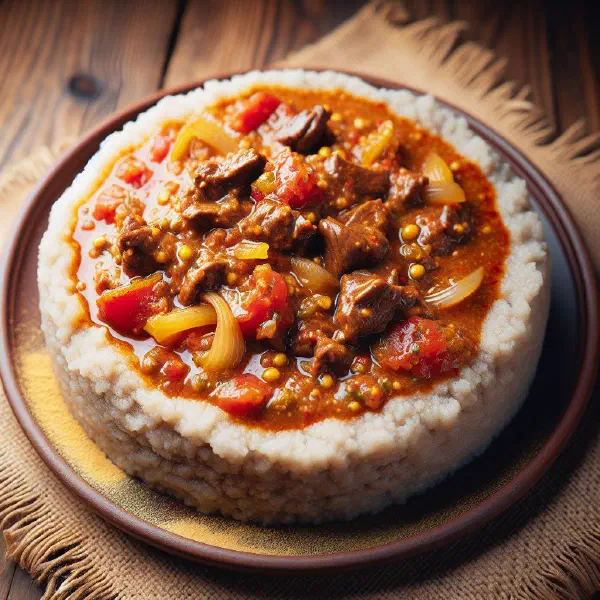
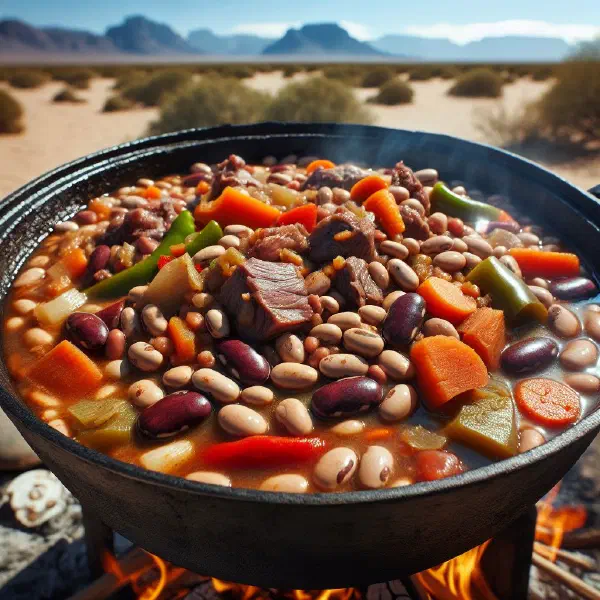
- Serve the oshifima warm, with a meat sauce, greens or a bean stew alongside.
Gluten-free / lactose-free version
Millet and maize both contain no gluten, and there is no dairy in the dish. Oshifima is naturally suitable for both restrictions.
Tips for vegans and vegetarians
The porridge is flour and water. Spinach and groundnut stew and stewed beans are the vegan relishes that go with it and both are standard everyday food.
More tips and tricks
Cook it long enough. Undercooked millet tastes raw and slightly bitter. Make it stiff rather than creamy, since oshifima is meant to be picked up by hand. And serve it hot; it sets solid.
Adapting the recipe to your taste
Fermenting the mahangu flour overnight before cooking gives the traditional sour version, oshithima, which is what many older Namibians prefer. Sorghum flour works similarly. Mahangu porridge is the looser breakfast version.
Ingredient substitutions
Maize meal is the practical substitute. Sorghum or a millet-maize mix both work. Water is all that is needed.
Drink pairing ideas
Oshikundu, the fermented mahangu drink, is the traditional accompaniment in the north. Rooibos tea. Windhoek Lager, since Namibia’s German brewing legacy is real.
Serving and presentation ideas
Serve it as a stiff mound on a shared plate with the relish beside it. Eaten with the right hand: pinch, roll, hollow, scoop. Wash hands at the table first.
A bit of history
Namibia was a German colony and then under South African rule until 1990, and its cooking carries both layers alongside the indigenous one. Mahangu predates both by a long way and is still what the north grows and eats. Oshifima anchors Namibian cuisine.
More recipe ideas
Summary: Oshifima
Oshifima is pearl millet or maize flour cooked into a stiff porridge. Slurry the flour first, cook it through, make it firm enough to pick up, and serve it hot with a relish.