National Dish Namibia: Potjiekos with Lamb (Recipe)
In this article
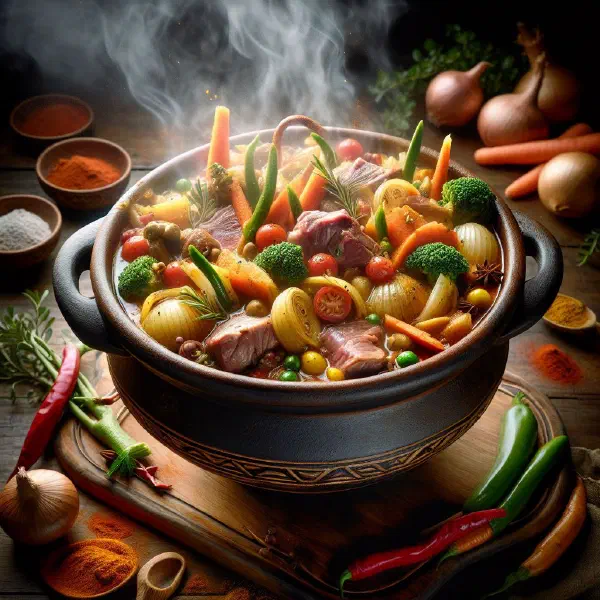
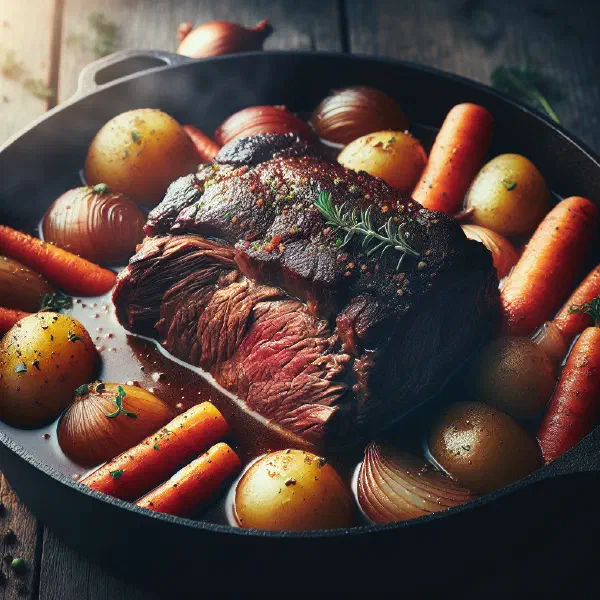
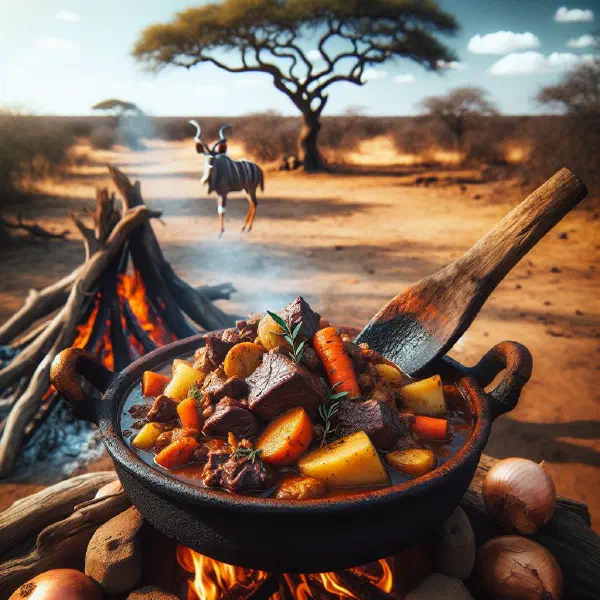
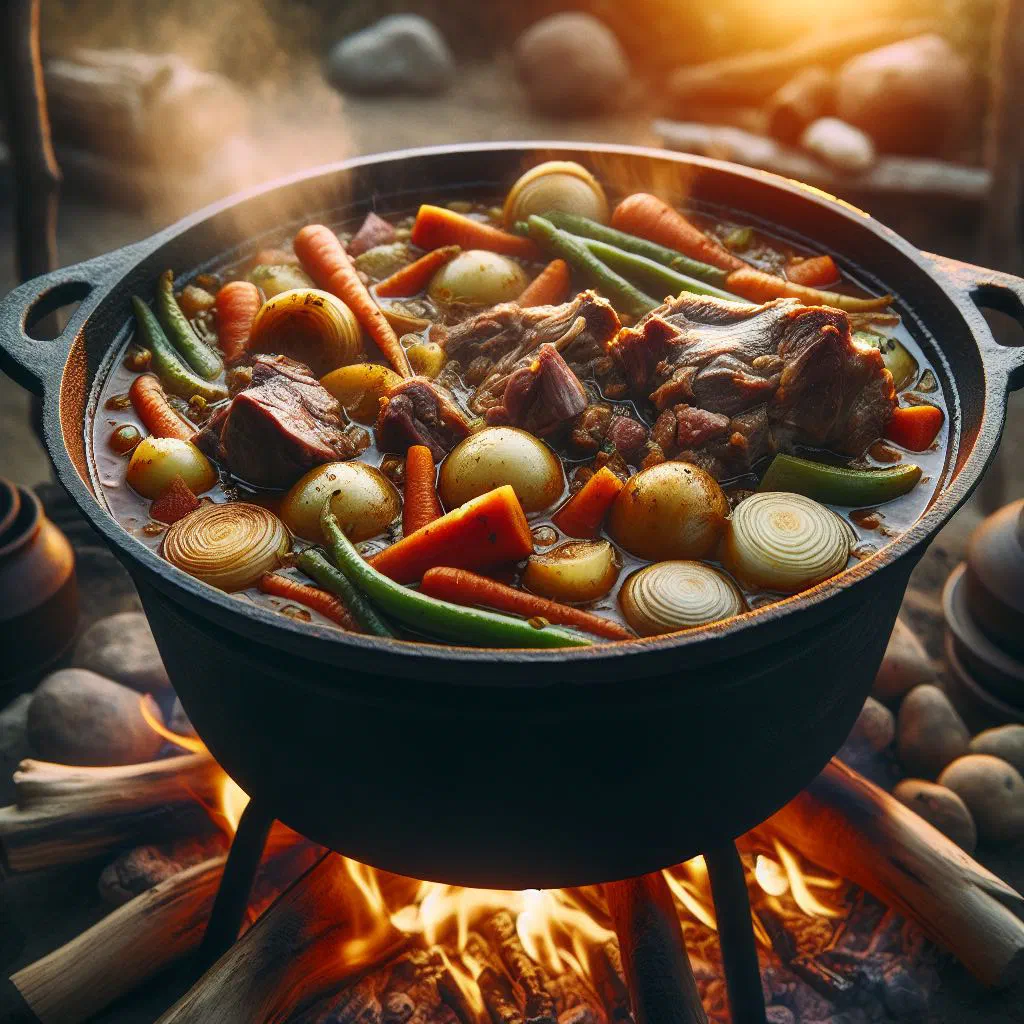
Meet Potjiekos with Lamb, the slow-simmered one-pot stew that sits at the very heart of Namibian cooking. Tender lamb, root vegetables and warm spices cook away for hours in a heavy three-legged cast-iron pot, usually over an open fire and always in good company. It is generous, unhurried food, the kind that draws friends and family around the flames while the aromas build. Bring a taste of southern Africa to your own kitchen with this deeply comforting stew.
About Potjiekos with Lamb
Potjiekos is a traditional dish rooted in the cooking of southern Africa. It is a richly flavoured stew prepared in a distinctive three-legged pot, and the name itself translates roughly as “small pot food”. Cooking usually happens outdoors, drawing people together to enjoy both the wonderful aromas and each other’s company.
In Namibia, potjiekos is far more than a meal. It is a symbol of community. It appears at celebrations and family gatherings alike, which says a great deal about its cultural standing. The wide choice of ingredients means the recipe can be tailored to individual tastes, so no two pots ever taste quite the same.
A typically Namibian potjiekos is built around tender lamb, a mix of vegetables and fragrant spices. Garlic, cumin and coriander are all favourites, lending the dish its unmistakable African character. Whether as an everyday main course or the centrepiece of a special occasion, potjiekos is essential eating for anyone exploring Namibian cuisine.
Ingredients (serves 1–2)
- 300 g lamb, diced
- 2 carrots, sliced
- 1 onion, diced
- 2 potatoes, diced
- 1 pepper, diced
- 2 cloves of garlic, chopped
- 500 ml stock (chicken or vegetable)
- 1 teaspoon cumin
- 1 teaspoon paprika
- Salt and pepper to taste
- Oil for frying
Shopping for the ingredients
To make a really good potjiekos, quality ingredients matter. Head to a market or a well-stocked supermarket for fresh vegetables and meat. Make sure the lamb is tender and well marbled, since it forms the backbone of the dish. Spices can be adjusted to taste, be adventurous and try new combinations.
For the stock you can use a shop-bought version or make your own from scratch for extra depth. The vegetables should be fresh and firm so they bring the best possible flavour to the pot. Less common spices are easy to track down in African or Asian grocers, or online, which lets you get closer to authentic Namibian flavours.
Preparing the dish
Good preparation is the key to a successful potjiekos. Start by cutting the lamb into evenly sized cubes so everything cooks at the same rate. Dice the vegetables and lay out all your ingredients in advance, so the cooking itself runs smoothly. The order in which things go into the pot matters, as it shapes the final flavour.
The right browning technique is essential. Sear the lamb in a hot, heavy pot until it takes on a deep golden-brown colour, which develops flavours that carry through the whole dish. Then add the vegetables in stages and scatter the spices evenly over everything so the aromas can mingle. This is what gives your potjiekos its complexity and depth.
Step-by-step instructions
- Heat a little oil in a large pot and brown the lamb over medium heat.
- Add the onion and garlic and fry until translucent.
- Add the carrots, potatoes and pepper to the pot and stir everything together well.
- Season the vegetables with cumin, paprika, salt and pepper, stirring as you go.
- Pour in the stock, bring to the boil, then reduce the heat.
- Cover the pot and let it simmer for at least 1.5 hours, until the meat is tender.
- Serve the potjiekos warm with fresh bread or rice.
Gluten-free / lactose-free version
Potjiekos is naturally gluten-free and lactose-free, provided you use a gluten-free stock and fresh vegetables. Check your ingredients carefully for hidden traces of gluten or lactose. For a lactose-free side, reach for olive oil rather than butter. That makes this dish an excellent choice for anyone with particular dietary needs.
Tips for vegans and vegetarians
Potjiekos adapts easily for vegans and vegetarians with a few simple swaps. Use tofu or seitan in place of the lamb for a satisfying source of protein. Adding lentils or chickpeas boosts the nutritional value further, much as they do in a hearty Stewed Beans. Play with the spicing to keep that distinctive African character even without meat.
More tips and tricks
To get the very best from your potjiekos, experiment with different vegetables and spice blends. Local seasonal produce adds a personal twist and brings extra freshness. Let the pot simmer slowly so the flavours have time to marry properly. And here is a secret worth knowing: the taste is often even better the next day, after a night in the fridge.
Adapting the recipe to your taste
The scope for adapting potjiekos is almost limitless. If you like things fiery, add fresh chillies or a hot paprika. Prefer a different character altogether? Try beef or chicken instead, in the spirit of a Venison Goulash. Experimenting with ingredients and flavourings lets you shape the stew exactly to your liking. The original recipe is already delicious, but small adjustments can open up whole new horizons.
Ingredient substitutions
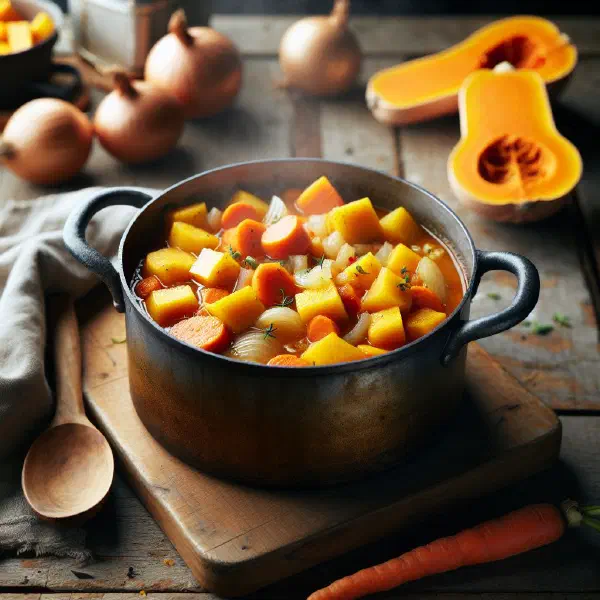
There are plenty of alternatives to the traditional potjiekos ingredients. If lamb is not for you, chicken, beef or plant-based options all work beautifully. The vegetables are entirely up to you as well, pumpkin, courgette or aubergine all make excellent additions, as they do in a Pumpkin and Peanut Stew. This flexibility means you can build the dish around whatever is available.
Drink pairing ideas
The right drink completes the potjiekos experience. A cold African beer is a superb match for this hearty stew. Alternatively, a fruity red wine complements the flavours of the meat and vegetables wonderfully. For alcohol-free options, fruit juices or a homemade lemonade make refreshing companions.
Serving and presentation ideas
Potjiekos looks best served straight from a rustic pot or in a generous bowl. Garnish with fresh herbs for a splash of colour and an extra layer of flavour. Offering fresh bread on the side is another excellent way to round out the meal, a Savoury Cornbread works particularly well. Characterful serving dishes and a nicely laid table only add to the anticipation.
A bit of history
Potjiekos has a long history, woven deeply into African culture. Many trace it back to African communities who cooked in a single pot over an open fire, a practice that spread and evolved over centuries. The dish stands for togetherness, prepared as it so often is for large celebrations and gatherings. The way the ingredients blend during hours of gentle cooking speaks of the time and patience that traditional cooking rewards.
More recipe ideas
Summary: Potjiekos with Lamb
In short, potjiekos is not simply a stew but a piece of African culture that any kitchen can welcome. With its countless variations and the sociable ritual that surrounds it, this is a dish well worth making your own. Let its aromas and its unhurried pace inspire you, and bring a little of Namibia to your own table.