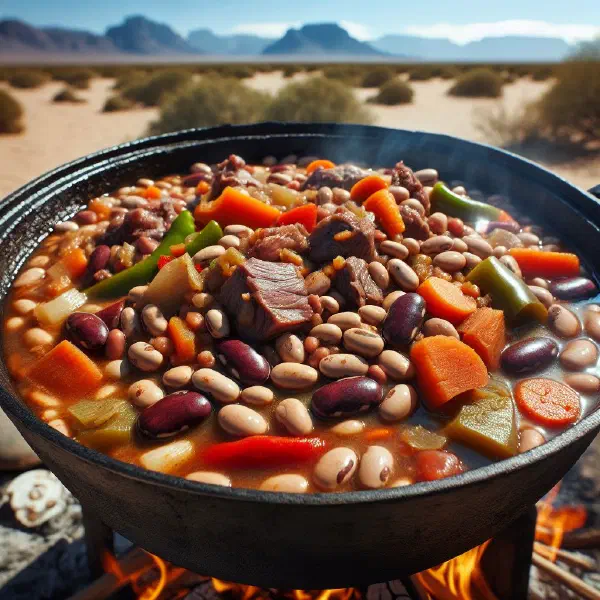
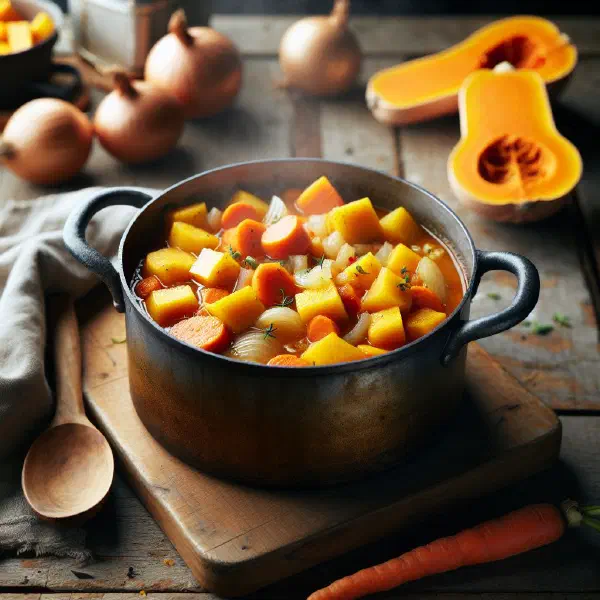
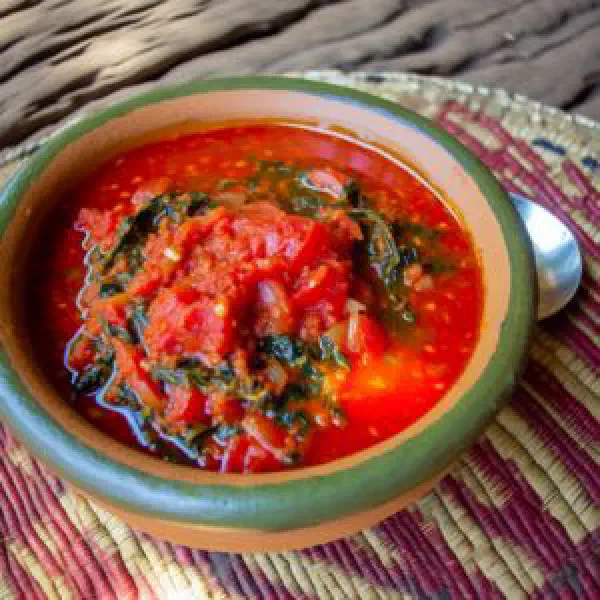
National Dish Namibia: Stewed Beans (Recipe)
In this article
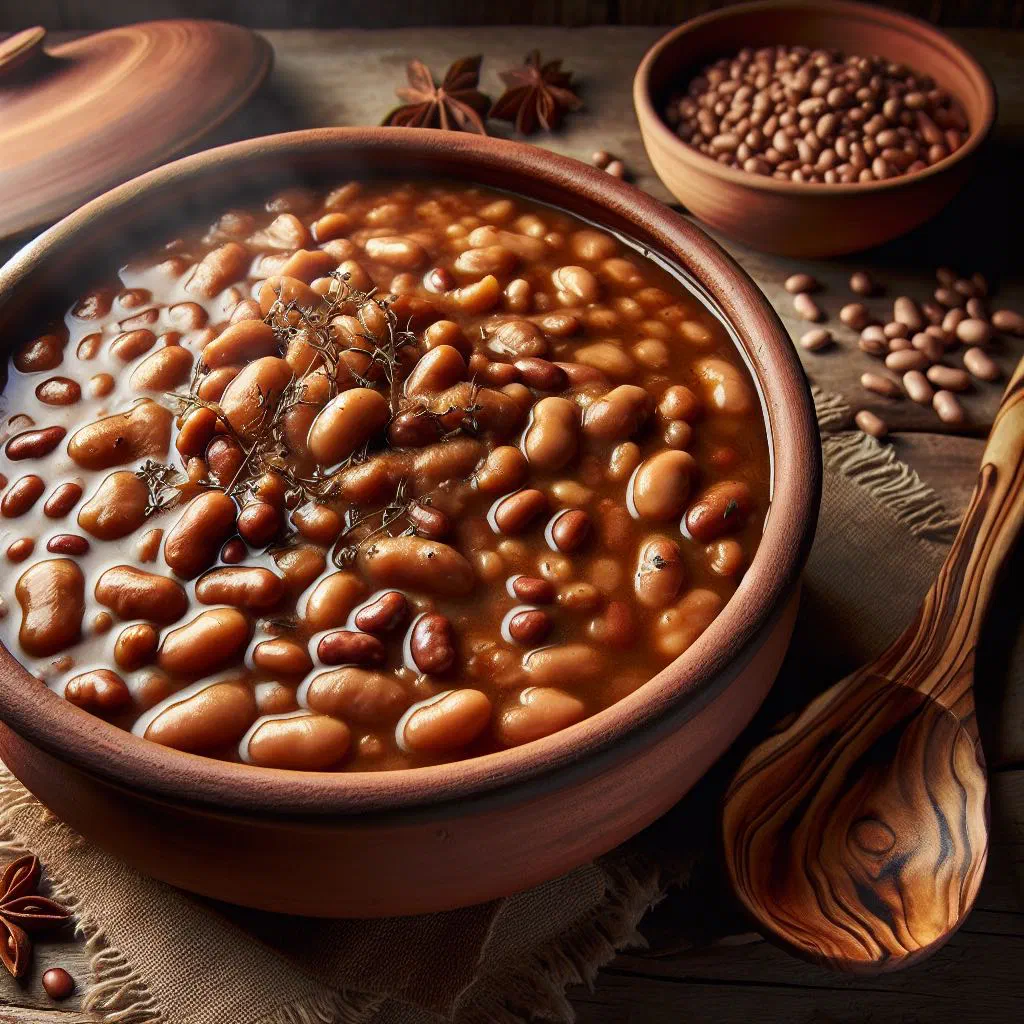
Discover Stewed Beans, a warming Namibian classic built on hearty flavours and honest, everyday ingredients. Slow-simmered until the beans drink up every last note of cumin and paprika, this simple dish works just as well as a generous main course as it does alongside a spread of grilled meats. It is the kind of food made for sharing, easy to scale up, easy to love, and a delicious doorway into the cooking of southern Africa.
About Stewed Beans
Stewed beans are a traditional dish from Namibia that reflects the culinary variety of the region. They are often served as a side, but they make an excellent main course in their own right. The combination of beans, spices and fresh vegetables creates a harmonious balance of flavour that satisfies both the heart and the palate. Let this simple yet deeply nourishing dish inspire your next meal.
Ingredients (serves 1–2)
- 200 g dried beans (black beans or kidney beans, for example)
- 1 onion, diced
- 2 cloves of garlic, chopped
- 1 pepper, diced
- 2 tablespoons olive oil
- 500 ml vegetable stock
- 1 teaspoon cumin
- 1 teaspoon paprika
- Salt and pepper to taste
Shopping for the ingredients
To make stewed beans you will need a small selection of fresh and dried ingredients. Visit a local supermarket or a weekly market to get the freshest produce you can. When it comes to the beans, look for good-quality dried beans with no additives. It is also worth considering regional variations of the ingredients to make the dish feel that bit more authentic.
Preparing the dish
Good preparation is the key to a successful result. Begin by soaking the dried beans in water overnight. This shortens the cooking time and makes them easier to digest. The next day, rinse and drain the beans thoroughly before you carry on. While the beans soak, you can get the remaining ingredients ready so the cooking itself runs smoothly, the same unhurried approach that suits a Potjiekos.
Step-by-step instructions
- Bring the soaked beans to the boil in a pan of fresh water and simmer for 30 minutes until soft.
- Heat the olive oil in a large pan and fry the onions until translucent.
- Add the garlic and pepper and continue frying for a few minutes until the aromas come through.
- Add the cooked beans, the vegetable stock and the spices to the pan and stir everything together well.
- Let the dish simmer over medium heat until the liquid has reduced and the beans have absorbed the spices.
Gluten-free / lactose-free version
Stewed beans are naturally gluten-free and lactose-free. Even so, it is worth checking your vegetable stock to make sure it contains no gluten-based ingredients. Use a pure vegetable stock or make your own from scratch. For extra creaminess you can also stir in a little coconut milk, which is equally free from lactose.
Tips for vegans and vegetarians
This dish is perfectly suited to vegans and vegetarians, as it is entirely plant-based. It is easy to adapt by adding extra vegetables such as carrots or courgettes. For an added protein boost, serve quinoa or rice alongside. Your guests will love the savoury aromas and the wholesome ingredients, much as they would with a Spinach and Groundnut Stew.
More tips and tricks
To make the dish even tastier, add fresh herbs such as coriander or mint just before serving. These bring colour and a welcome note of freshness. You can also experiment with different varieties of beans or different spices to vary the flavour. Remember that the secret of a good dish often lies in the small details.
Adapting the recipe to your taste
The recipe for stewed beans is wonderfully flexible and easy to tailor to personal preference. Add extra kinds of vegetables or different spices to shape the dish to your liking. Do you prefer things a little hotter? Throw in a few chillies. The variety of bean can of course vary too, depending on what you have available.
Ingredient substitutions
If some of the ingredients are not to hand, or you fancy a different flavour direction, there are several good alternatives. Instead of olive oil you can use coconut oil for a sweeter, more tropical note. If you have no dried beans, tinned beans work perfectly well, though you will need to reduce the cooking time accordingly. Experiment with different vegetable stocks to find your personal favourite.
Drink pairing ideas
A range of drinks goes nicely with stewed beans. A crisp white wine such as Sauvignon Blanc complements the spectrum of flavours beautifully. For a non-alcoholic option, offer lemonade or ginger tea, both of which set off the savoury notes of the dish. Experiment a little to find the perfect pairing for your guests.
Serving and presentation ideas
Presentation matters just as much when it comes to making a dish look inviting. Serve the stewed beans in a large bowl and garnish them with fresh coriander or a squeeze of lemon juice. A colourful table with plants and pretty bowls creates a welcoming atmosphere. Small dishes of sides such as rice, Mieliepap or a quinoa salad also help lift the overall look of the spread.
A bit of history
Stewed beans have a long tradition in Namibian cooking. The dish reflects the culinary influences of the many cultures that have shaped the country. Beans are not only nutritious but have long been prized as a staple food across many African cultures. The method of preparation and the choice of spices vary from region to region, which makes the dish all the more varied and interesting, a fine example of Namibian cuisine.
More recipe ideas
- Samp and Beans
- Okra and Tomato Stew
- Pumpkin and Peanut Stew
- Stuffed Butternut Squash
- Sweet Potato and Peanut Stew
Summary: Stewed Beans
Stewed beans are a delicious and nourishing dish that is straightforward to make. With fresh ingredients and a generous handful of spices, they suit sociable gatherings and everyday meals alike. This recipe brings the culinary culture of Namibia straight to your table. Give it a try and let the flavours surprise you.