National Dish Namibia: Stuffed Butternut Squash (Recipe)
In this article
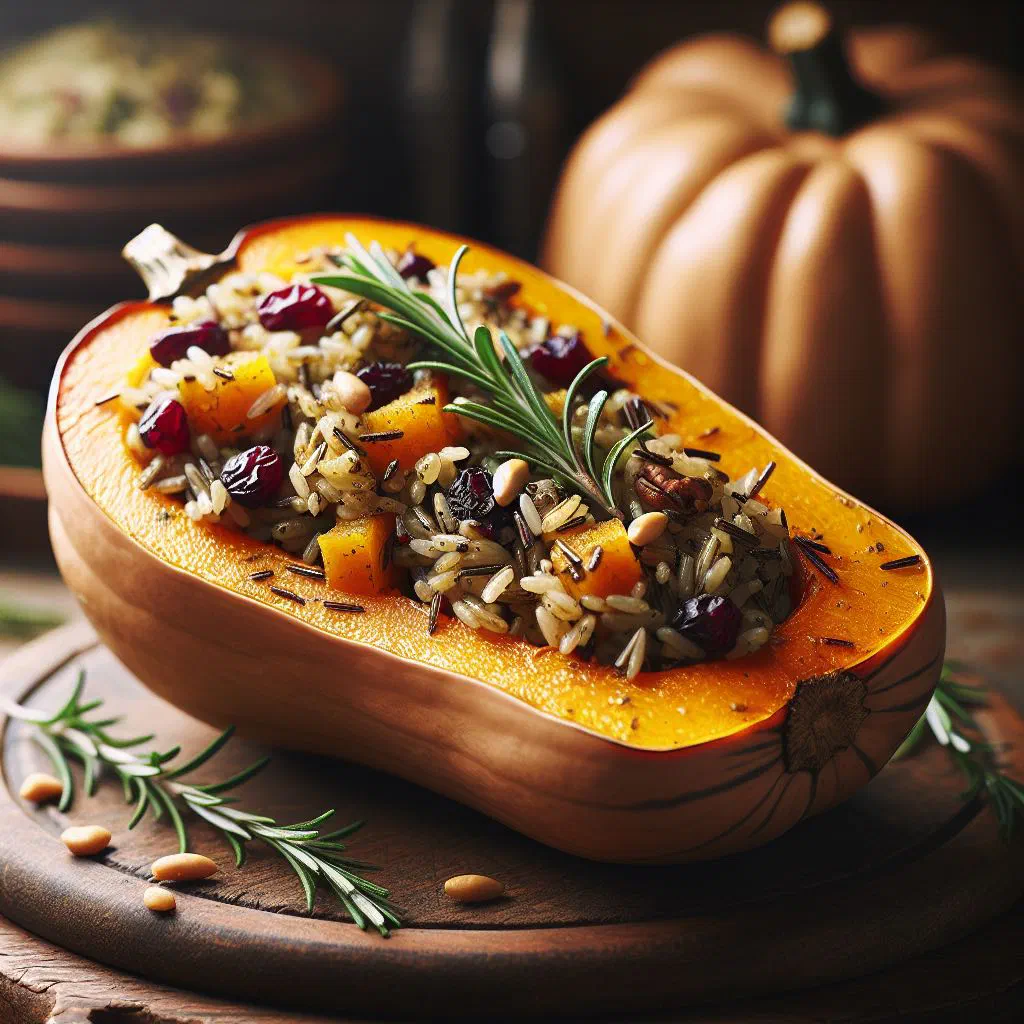
Discover Stuffed Butternut Squash, one of Namibia’s most enjoyable meat-free classics. Roasted until tender, the squash turns naturally sweet and makes the perfect vessel for a savoury filling of quinoa, colourful vegetables and warm African spices. It is wholesome, filling and surprisingly simple to put together, a dish that brings the flavours of Namibia straight to your own table.
About Stuffed Butternut Squash
Stuffed Butternut Squash is a traditional Namibian favourite that wins people over with both its flavour and its nourishing ingredients. The butternut squash brings a gentle natural sweetness that plays beautifully against the savoury filling. Packed with quinoa, fresh vegetables and aromatic spices, the dish is at once satisfying and genuinely nutritious. It works as a generous main course, yet is light enough to serve alongside other dishes.
Ingredients (serves 1–2)
- 1 medium butternut squash
- 100 g quinoa
- 1 courgette, diced
- 1 pepper, diced
- 1 onion, finely chopped
- 2 cloves of garlic, finely chopped
- 2 tablespoons olive oil
- 1 teaspoon ground cumin
- Salt and pepper to taste
- Fresh parsley, to garnish
Shopping for the ingredients
Shopping carefully is an important step towards making sure you are working with the freshest and best-quality produce. Visit local markets or a health food shop to find the pick of the ingredients. When choosing the butternut squash, look for a firm, unblemished skin, as this is a reliable sign of freshness. Opting for organic quinoa also gives the dish a wholesome, flavourful base.
Preparing the dish
Good preparation is what allows the flavour combination to shine. Begin by halving the butternut squash and scooping out the seeds. Leave the skin on: it holds the filling in place during baking and keeps the flesh juicy. While you are at it, chop the vegetables and measure out the remaining ingredients so the cooking itself runs smoothly from start to finish.
Step-by-step instructions
- Preheat the oven to 200°C.
- Cook the quinoa according to the packet instructions and set aside.
- Heat the olive oil in a pan and sauté the onion and garlic.
- Add the diced vegetables and fry for a few minutes until softened.
- Stir in the cooked quinoa, cumin, salt and pepper, mixing everything together well.
- Spoon the mixture into the squash halves and bake for 25–30 minutes, until the squash is tender.
- Garnish the stuffed squash with fresh parsley and serve.
Gluten-free / lactose-free version
This recipe is naturally gluten-free and lactose-free, as it contains no such ingredients at all. Quinoa is an excellent choice for a gluten-free diet and delivers a fine source of plant protein into the bargain. You can vary the filling freely by swapping in different vegetables. If you are cooking for someone with an intolerance, do check that every product used is clearly declared gluten-free.
Tips for vegans and vegetarians
Stuffed butternut squash is an ideal option for vegans and vegetarians, since every component is plant-based. For extra protein, stir lentils or black beans into the filling, the same approach that makes a Namibian Bean Stew so hearty. A handful of toasted nuts or seeds adds welcome crunch and extra nutrients. Just remember to check that your spices and oils are plant-based too.
More tips and tricks
To make the cooking easier, prepare the quinoa in advance and measure out your spices ahead of time. Saving time on prep really pays off when you are cooking for guests. Pay attention to heat distribution in the oven as well: the middle shelf gives the most even results. Serve the stuffed squash as a main course, or as a delicious side to other savoury dishes such as Potjiekos.
Adapting the recipe to your taste
One of the loveliest things about this dish is its flexibility. You can tailor the filling entirely to your own preferences with different vegetables or spice combinations. Add chilli or paprika for a fiery edge, or keep things gentle for a milder plate. With a little creativity you will find yourself trying a new variation every time you cook it.
Ingredient substitutions
If some ingredients are missing, plenty of alternatives will do the job. Rice or millet stand in nicely for quinoa and give a similar texture. Aubergine works well in place of the courgette and brings a different flavour note, while roasted pumpkin echoes the comforting character of Mashed Pumpkin With Spices. Spices can be swapped according to taste and availability without losing the character of the dish.
Drink pairing ideas
To round the meal off, serve a light white wine or a fruity juice. A chilled glass of rosé balances the sweetness of the butternut squash beautifully. For alcohol-free options, lemonade or ginger tea makes a refreshing choice. Remember to chill the drinks properly to get the most out of the pairing.
Serving and presentation ideas
Presentation can make a real difference to the overall experience. Serve the stuffed butternut squash on attractive plates and add fresh herbs as a garnish to lift the whole thing. Play with colour combinations to build a visually appealing plate. A small drizzle of balsamic reduction is another simple way to add a special finishing touch.
A bit of history
The tradition of stuffed squash reflects the diverse culture of Namibia, shaped by many different ethnic groups. Squash and pumpkin are everyday ingredients across much of Namibian cuisine and often appear in festive cooking, much as maize does in Mieliepap. This dish has evolved over generations and remains a household favourite. It stands for togetherness and family, as it is so often served on special occasions.
More recipe ideas
- Pumpkin And Peanut Stew
- Sweet Potato And Peanut Stew
- Okra And Tomato Stew
- Spinach And Groundnut Stew
- Namibian Cabbage Salad
Summary: Stuffed Butternut Squash
Stuffed butternut squash is a fine example of the richness of African cooking. With healthy, fresh ingredients and a whole range of aromas, it brings the flavour of Namibia directly to your table. It impresses with its flexibility and its straightforward preparation. Get ready to share the world of Namibian cooking with the people you love.