National Dish Nepal: Alu Bhaji (Recipe)
In this article
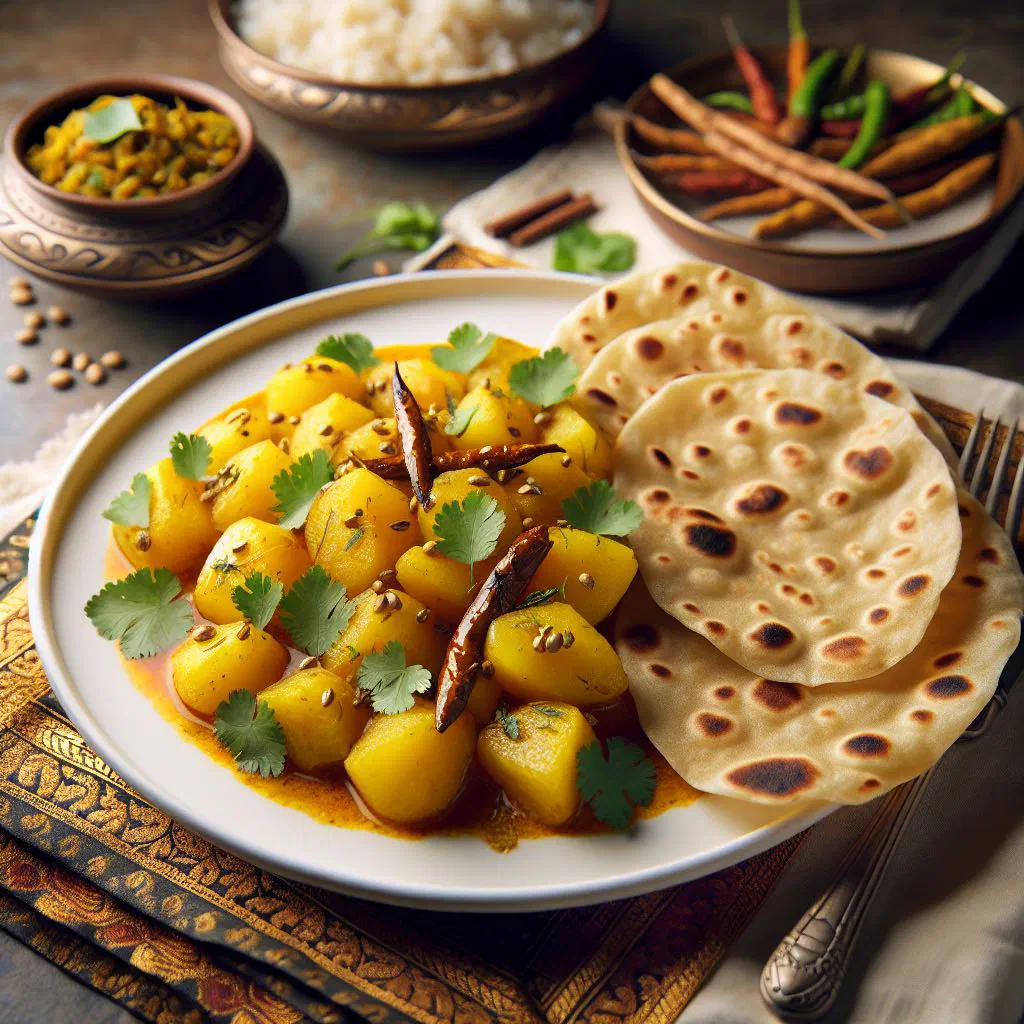
Discover Alu Bhaji, a wonderfully simple potato dish from the heart of Nepal. With little more than a handful of everyday potatoes and a fragrant blend of spices, it delivers bold, satisfying flavour with almost no fuss. Warm notes of turmeric and cumin mingle with a gentle kick of green chilli, making it the perfect side for rice or flatbread. Bring an authentic taste of the Himalayas straight to your own kitchen.
About Alu Bhaji
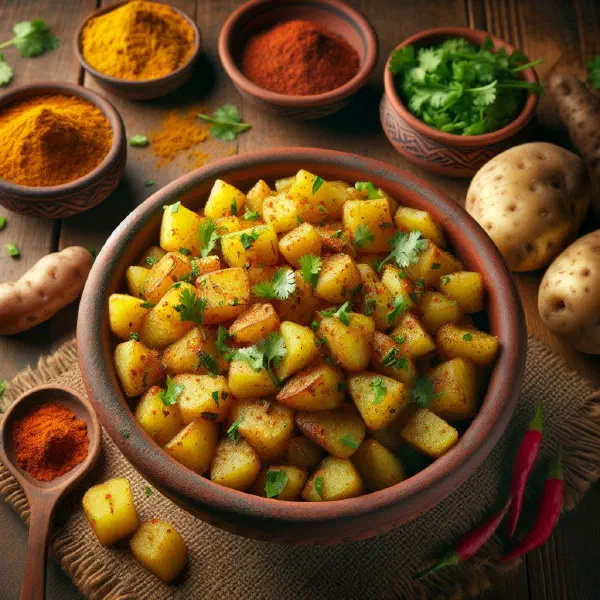
Alu Bhaji is a traditional Nepalese dish celebrated for its easy preparation and its deep, savoury flavour. At its heart are humble potatoes, cooked down with a range of aromatic spices that lend the dish its distinctive character. It is most often served as a side alongside rice or bread, and it remains a firm favourite in homes right across Nepal. If you are after a genuine taste of the country’s cooking, this recipe is exactly what you need. It sits comfortably beside heartier plates such as Aloo Jhol or a warming bowl of Dal Bhat.
Ingredients (serves 1–2)
- 2 large potatoes
- 1 onion
- 2–3 green chillies
- 1 teaspoon turmeric
- 1 teaspoon cumin
- 1 teaspoon mustard seeds
- Fresh coriander, to garnish
- Salt to taste
- 2 tablespoons oil
Shopping for the ingredients
When shopping for alu bhaji, it is well worth choosing fresh, good-quality produce. The potatoes should be firm and free of any green patches or mould. Onions and green chillies should smell bright and pungent, a sure sign of their freshness. The spices are easy to find in any well-stocked supermarket or at an Asian grocery, where you will often uncover the best value.
Preparing the dish
Before you start cooking alu bhaji, take a moment to prepare all your ingredients carefully. Begin with the potatoes, peeling them and cutting them into small dice. The onion should be finely chopped, while the green chillies can be sliced into rings or pieces depending on how much heat you like. Getting everything ready in advance makes the cooking easier and helps the ingredients cook through evenly.
Step-by-step instructions
- Heat the oil in a pan and add the mustard seeds. Wait until they begin to splutter and pop.
- Add the chopped onion and green chillies and fry until golden brown.
- Tip in the diced potatoes and stir well to coat.
- Sprinkle over the turmeric and cumin, then mix everything together thoroughly.
- Cover the pan and let the potatoes cook over medium heat for 15–20 minutes, until soft.
Gluten-free / lactose-free version
One of the great things about alu bhaji is that it is naturally gluten-free and lactose-free. The main ingredients are potatoes and spices, none of which contain either. Do check, however, that the brands of oil and spices you use are also certified free from gluten. That way you can be confident the dish is suitable for anyone with a gluten or lactose sensitivity.
Tips for vegans and vegetarians
Alu bhaji is a splendid dish for vegans and vegetarians, as it contains no animal products at all. To deepen the flavour even further, you can add extra vegetables such as peas or carrots. Reach for fresh spices to make the most of the aroma. This dish works beautifully as a quick lunch or as a side within a larger, multi-course dinner.
More tips and tricks
To get alu bhaji just right, timing is everything. Keep an eye on the potatoes so they neither overcook nor stay too firm. You can also adjust the spices to your own taste, or turn up the heat with a few more green chillies. A squeeze of lemon juice just before serving lends the dish a lovely fresh note.
Adapting the recipe to your taste
The beauty of alu bhaji lies in its versatility. You can easily tweak the recipe by adding other vegetables or spices you happen to love. Cauliflower or spinach, for instance, make excellent additions and echo the flavours of a Saag Ko Tarkari. Experiment with different aromatic herbs to create brand-new flavour combinations of your own.
Ingredient substitutions
If you do not have every ingredient for alu bhaji to hand, there are plenty of alternatives. In place of ordinary potatoes you could use sweet potatoes for a slightly sweeter result. For a different spice profile, try a spoonful of garam masala. This flexibility makes the recipe remarkably adaptable to whatever you have in the cupboard.
Drink pairing ideas
To round off your alu bhaji, a range of drinks works well. A freshly brewed peppermint tea or a spiced tea makes an excellent choice. Alternatively, a lightly chilled Indian-style lassi pairs beautifully and brings a refreshing edge, much like a cup of Nepalese Masala Tea. A simple glass of cold water with lemon is also ideal for highlighting the flavours.
Serving and presentation ideas
When serving alu bhaji, presentation makes all the difference. Use pretty bowls or plates and garnish the dish with fresh coriander. A few slices of lemon on the side add a splash of visual appeal too. A thoughtful presentation lifts the whole eating experience and makes the dish all the more inviting.
A bit of history
Alu Bhaji has its origins in Nepal, where it is widely regarded as comfort food. The dish reflects the country’s traditional cooking, built on fresh, local ingredients that define its Nepalese cuisine. Historically it was often prepared for festivals and special occasions, yet it is just as popular in everyday life. Its simple preparation and readily available ingredients have made it an everyday staple.
More recipe ideas
Summary: Alu Bhaji
In short, alu bhaji is a tasty and traditional Nepalese dish, defined by its straightforward preparation and its wealth of flavour. It is the perfect choice for a quick dinner or as a side for festive occasions. With fresh ingredients and fragrant spices, you have everything you need to bring an authentic taste experience right into your home. Give it a try and discover the culinary variety of Nepal.