National Dish Nepal: Bhatmas Ko Achar (Recipe)
In this article
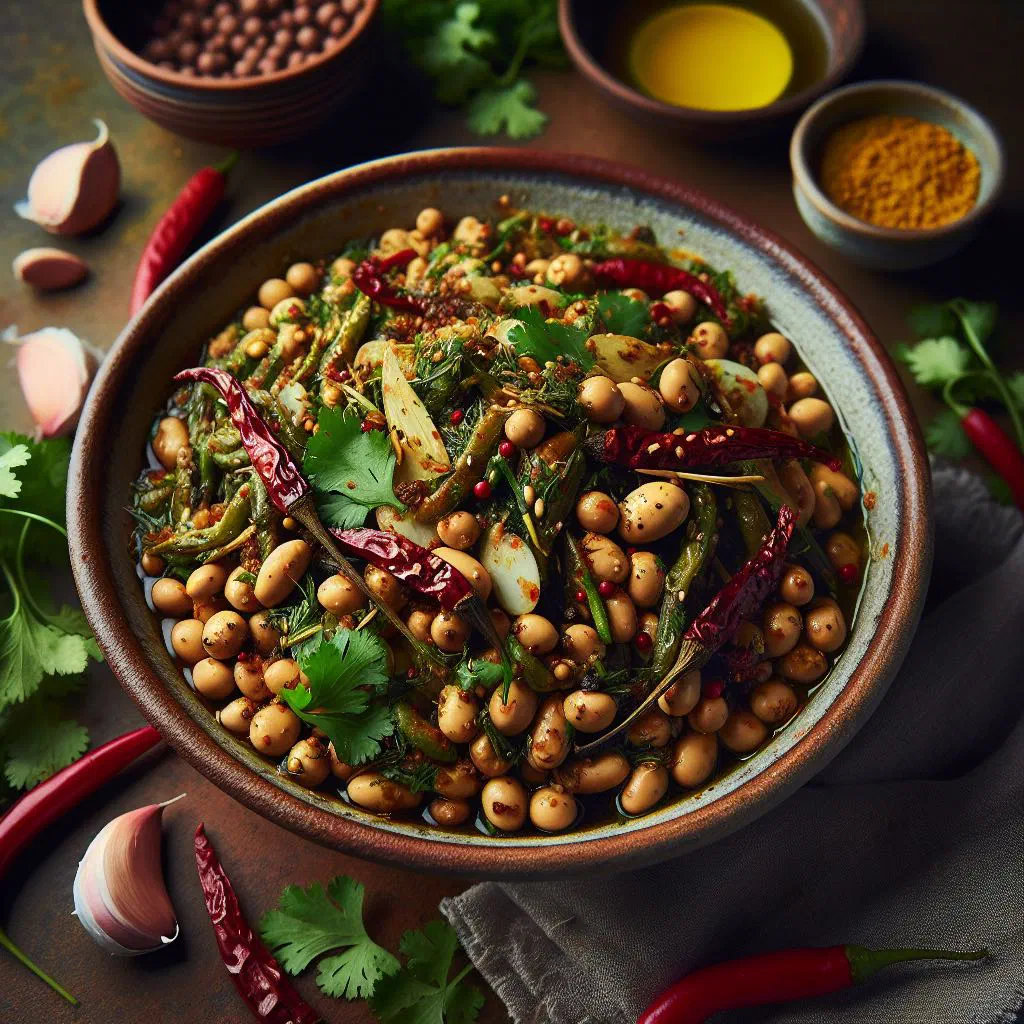
Discover Bhatmas Ko Achar, a lively Nepalese side of spicy roasted soybeans that packs a real punch of flavour. Warmed through with turmeric, mustard seeds and fresh herbs, it is at once wholesome and moreish, the kind of thing you reach for again and again. Serve it alongside a plate of rice or simply snack on it by the handful, and bring a little corner of Nepal to your table.
About Bhatmas Ko Achar
Bhatmas Ko Achar is a traditional Nepalese dish built around spicy roasted soybeans. This delicious side is wholesome and delivers an intense taste that captures the flavours of Nepal. The combination of turmeric, mustard seeds and fresh herbs makes for a harmonious blend that appeals to locals and international food lovers alike. Bhatmas Ko Achar brings a piece of Nepalese tradition to your table, much like a classic plate of Dal Bhat.
Ingredients (serves 1–2)
- 200 g roasted soybeans
- 1 teaspoon turmeric
- 1 teaspoon mustard seeds
- 2 tablespoons fresh coriander, chopped
- 2–3 fresh green chillies (to taste)
- Salt to taste
- 1–2 tablespoons lemon juice
Shopping for the ingredients
The ingredients for Bhatmas Ko Achar are easy to find in most Asian or Indian grocery shops. Roasted soybeans are often sold in large packs, so you will have plenty for several batches. Choose fresh herbs and chillies to get the best aroma. Mustard seeds and turmeric can also be bought from health-food shops or online if they are not available locally.
Preparing the dish
Before you start making Bhatmas Ko Achar, make sure all your ingredients are to hand and fresh. The soybeans should be well roasted and crisp so they deliver the best flavour. Deseed the fresh chillies and finely chop the coriander. This bit of groundwork keeps the process smooth and gets you to the enjoyable part all the sooner.
Step-by-step instructions
- Tip the roasted soybeans into a bowl.
- Add the chillies, coriander, turmeric and mustard seeds.
- Season with a little salt and lemon juice to taste.
- Mix everything together well until evenly combined.
- Let the achar rest for a few minutes so the flavours can develop.
Gluten-free / lactose-free version
One of the great things about Bhatmas Ko Achar is that it is naturally gluten-free and lactose-free. That makes it an ideal side for anyone with those intolerances. Even so, take care when choosing the other ingredients to make sure there are no hidden gluten or lactose components. That way your dish stays pure and delicious.
Tips for vegans and vegetarians
Bhatmas Ko Achar is a superb example of a dish that suits vegans and vegetarians perfectly. As it contains no animal products, it slots easily into a plant-based diet. To make it even more nourishing, add some fresh vegetables or a selection of other pulses. This deepens the flavour and brings a variety of textures to the dish.
More tips and tricks
To make Bhatmas Ko Achar even more interesting, experiment with different spices. A pinch of chilli powder or a small amount of ginger can give the dish an extra kick. You can also brighten the achar by folding in carrots or cucumber for freshness and crunch. These variations help you discover new flavours and make your Bhatmas Ko Achar your own.
Adapting the recipe to your taste
A wonderful thing about Bhatmas Ko Achar is its versatility. Depending on your own taste, you can adjust the heat by adding more or fewer chillies. You can also vary the amount of turmeric to make the dish milder or more intense. A scattering of roasted nuts can take the texture and flavour to another level. Experiment with the ingredients to find your perfect version.
Ingredient substitutions
If you struggle to find some of the ingredients for Bhatmas Ko Achar, there are alternatives. In place of soybeans, for example, you could use yellow peas, which offer a delicious taste of their own, the same knack for turning simple pulses into something special that you find in Aloo Tama. Instead of fresh coriander, parsley works well if you prefer a milder herb flavour. This makes the recipe more flexible and accessible to different tastes.
Drink pairing ideas
To round off the taste experience of Bhatmas Ko Achar, you can reach for a range of drinks. A fresh mango lassi offers a sweet contrast and harmonises beautifully with the savoury flavours of the dish. A cool lager or a refreshing mint tea also make great companions. These drinks finish the meal off nicely and turn it into a memorable one.
Serving and presentation ideas
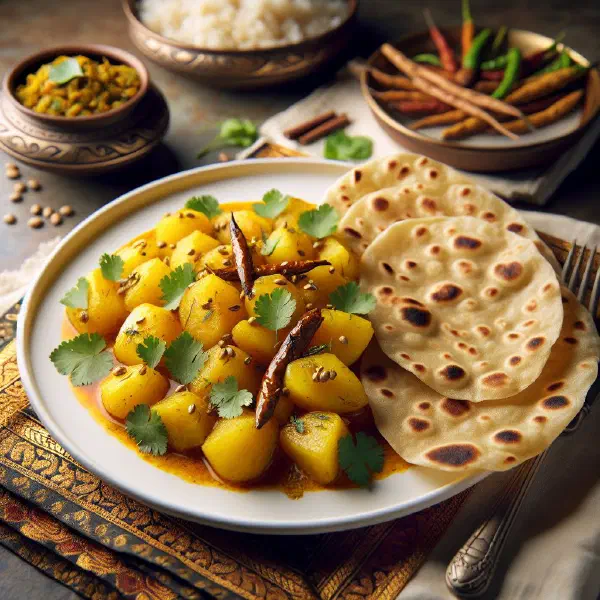
An appealing presentation makes the food even more enjoyable. Serve Bhatmas Ko Achar in a colourful bowl that shows off the vivid tones of the dish. Scatter a little fresh herb over the top to create a lovely contrast. A few slices of lemon or lime on the side add colour and offer a fresh note to enjoy alongside, a fine partner to a spread of Aloo Ko Achar.
A bit of history
Bhatmas Ko Achar has a long cultural tradition in Nepal and is a much-loved side in many households. Historically, the dish was made from simple, readily available ingredients, which made it a staple for many families. It symbolises Nepalese hospitality and is often served at festivals or on special occasions. The dish reflects the connection people feel to their culture, their roots and their love of good cooking, a spirit that runs right through Nepalese cuisine.
More recipe ideas
Summary: Bhatmas Ko Achar
Bhatmas Ko Achar is a delicious Nepalese dish and a wonderful way to experience the culinary variety of Nepal. With its simple yet flavourful ingredients, it is an ideal dish that is valued in local homes and international kitchens alike. It is the perfect side to rice or a snack for in between, and the possibilities for adapting it are almost limitless. Give it a try and bring a piece of Nepalese tradition to your table.