National Dish Nepal: Chhurpi Ka Achar (Recipe)

In this article
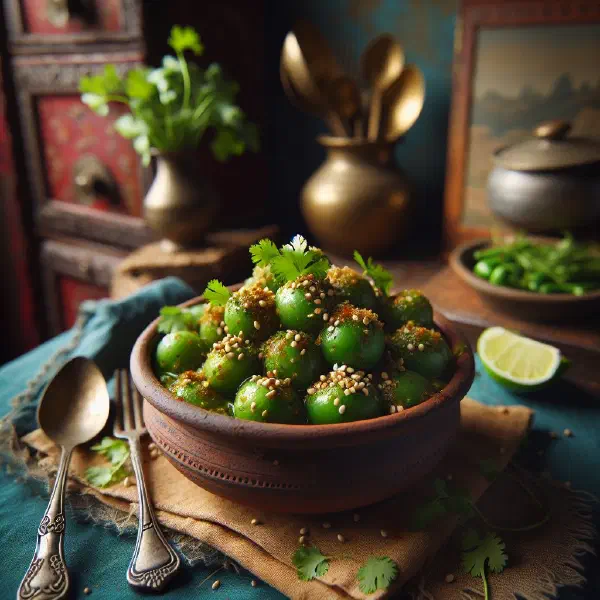
Discover Chhurpi Ka Achar, a lively Nepalese pickle that turns humble fermented cheese into something memorable. Bright with green chilli, fresh coriander and a squeeze of lemon, it delivers the punchy, tangy flavours of the Himalayas in a single spoonful. Quick to put together and endlessly adaptable, this pickle makes a brilliant side for rice dishes or a moreish little snack all on its own. Bring a taste of Nepal straight to your own table.
About Chhurpi Ka Achar
Chhurpi Ka Achar is a traditional Nepalese pickle made from fermented cheese, known locally as chhurpi. It offers a fascinating combination of spice and freshness that brings the flavours of Nepal to your table. The preparation varies from region to region, with the choice of spices and other ingredients playing a decisive role in the final taste. The pickle is ideal as a side to rice dishes or simply as something to nibble on with pleasure.
Ingredients (serves 1–2)
- 100 g chhurpi (fermented cheese)
- 1–2 fresh green chillies
- 1 tablespoon fresh coriander, chopped
- 1 teaspoon mustard seeds
- 1 teaspoon turmeric powder
- 1 teaspoon salt (to taste)
- Juice of half a lemon
Shopping for the ingredients
When shopping for Chhurpi Ka Achar, fresh and good-quality ingredients should be your first priority. Chhurpi, the main component, is not something you will find in every supermarket. You can often track it down in Asian grocery shops or at speciality stores that focus on Nepalese products. The remaining spices and fresh ingredients, however, are easy to find in any well-stocked supermarket.
Preparing the dish
Preparing Chhurpi Ka Achar is quick and straightforward. First, the chhurpi should be cut into small pieces so it can take on the flavours more readily. The green chillies can be adjusted to suit your preferred level of heat. Fresh coriander leaves lend the dish colour and an extra layer of spice that makes it special. These are the basic steps to take before the spices come into play.
Step-by-step instructions
- Cut the chhurpi into small cubes and place them in a bowl.
- Finely chop the green chillies and add them in.
- Add the coriander, mustard seeds, turmeric powder and salt.
- Squeeze the juice of half a lemon over the mixture.
- Mix well and leave to rest for at least 30 minutes so the flavours can develop.
Gluten-free / lactose-free version
The good news is that Chhurpi Ka Achar is naturally gluten-free. The chhurpi itself contains no gluten-bearing ingredients, and the spices used are likewise free from gluten. This makes the dish an excellent choice for people with food intolerances. If you need it to be lactose-free, look for a suitable plant-based alternative to the cheese, and always choose your ingredients carefully to make sure they meet your dietary needs.
Tips for vegans and vegetarians
For vegans, an alternative base for Chhurpi Ka Achar can be found in plant-based cheese products. These often provide a similar taste and texture, especially in combination with the spices. For vegetarians the dish is already an excellent choice, as it contains no animal by-products other than the chhurpi. It is always worth checking the ingredient list of the products you buy to make sure they are vegan-friendly.
More tips and tricks
To make Chhurpi Ka Achar even more flavourful, additional spices such as cumin or asafoetida can be added. Likewise, the level of heat can be adjusted through the amount of chilli you use. Serve the pickle with fresh, steaming rice for a perfect meal. It sits beautifully alongside a plate of Dal Bhat. Experiment with the resting time to find the ideal balance of flavour and texture.
Adapting the recipe to your taste
The heat and the spices can be adjusted to suit your personal taste. If you like things spicier, add extra chillies or use hot paprika. Fresh herbs such as mint can also give the dish an interesting twist. Fans of tangy sides will find plenty to love here, much as they would in a bowl of Aloo Ko Achar.
Ingredient substitutions
If chhurpi is hard to come by, a few alternatives such as tofu or another fermented cheese can be tried. These substitutes will not deliver quite the same taste, but they can still make a satisfying option. The spices are adaptable too; for example, chilli powder can be used in place of fresh green chillies. See for yourself what suits your palate best.
Drink pairing ideas
Chhurpi Ka Achar goes wonderfully with a range of drinks. A refreshing mango lassi can balance out the pickle’s heat and form a delicious combination with its flavours. A cool Nepalese beer or a sparkling water with a slice of lemon also harmonises beautifully with the dish. Experiment with different drink pairings to create the perfect tasting experience.
Serving and presentation ideas
When it comes to presenting Chhurpi Ka Achar, you can get creative. Serve the pickle in small bowls or on brightly coloured plates that let its colours shine. Garnishes of fresh herbs or chilli can give the dish an eye-catching appearance. Pay attention to an appealing colour combination with the other dishes you serve.
A bit of history
Chhurpi has its origins in the rural farming traditions of Nepal. It was originally used to preserve dairy products, since the cheese ferments easily. The pickle itself came about as a way to make fresh produce keep for longer while adding flavour at the same time. In Nepal it is a common dish, often served on special occasions and reflecting the cultural diversity of the country and its wider Nepalese cuisine.
More recipe ideas
Summary: Chhurpi Ka Achar
Chhurpi Ka Achar is a vivid example of the cultural and culinary diversity of Nepal. This fermented cheese pickle brings exciting flavours to the table with its varied spices and fresh ingredients. Ideal as a side to countless dishes or enjoyed all on its own, it is an experience that appeals to both the palate and the eyes. Make this dish part of your next meal and discover the history and tradition of Nepal.