National Dish Nepal: Dhido (Recipe)
In this article
Meet Dhido, the humble mountain staple that many Nepalese proudly call their national dish. Made from little more than buckwheat or rice flour stirred into boiling water, it cooks down into a warm, dough-like porridge with a wonderfully creamy texture. Nourishing, naturally gluten-free and endlessly comforting, dhido is the kind of food that brings families together, served with lentils, pickles and a generous helping of tradition.
About Dhido
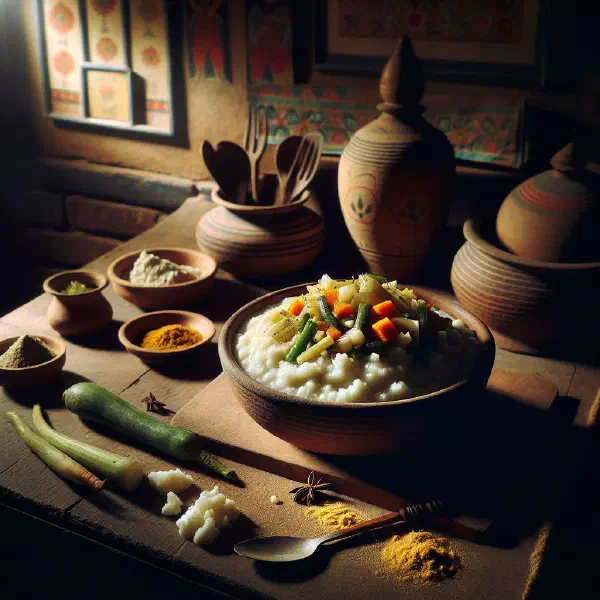
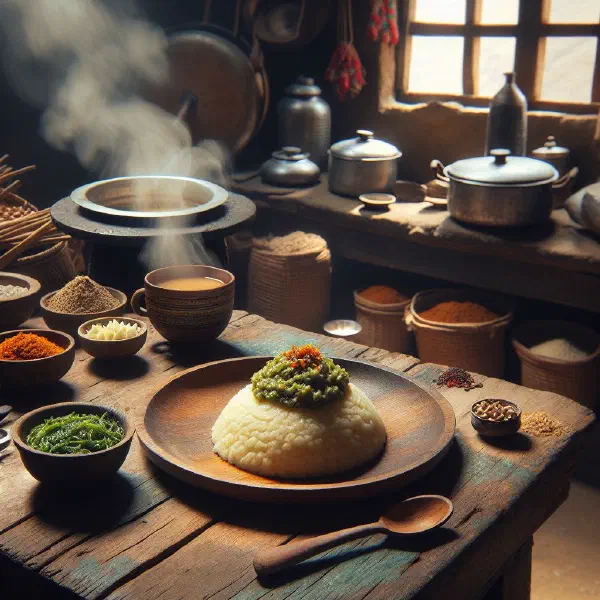
The traditional Nepalese dish Dhido has firmly established itself as the national dish of Nepal. Prepared from buckwheat or rice flour, it offers an interesting alternative to rice and other grain-based dishes. Dhido has a distinctively creamy consistency and is simple to make and very nourishing. Many Nepalese associate this dish with long-held traditions and their culture, which makes it a meaningful part of festivals and family gatherings alike.
Ingredients (serves 1–2)
- 1 cup buckwheat or rice flour
- 2 cups water
- A pinch of salt
- 1–2 cups vegetables of your choice
- 1 cup lentils or dal
- Pickles, to taste
Shopping for the ingredients
The ingredients for Dhido are available in most well-stocked supermarkets and Asian grocery shops. It is worth choosing freshly milled buckwheat flour to achieve the very best flavour. Where you can, pick organic vegetables and lentils to make the most of their nutrients. Keep an eye out for local suppliers too, buying fresh produce close to home supports growers and is kinder to the environment.
Preparing the dish
Begin your preparation by bringing the water to the boil in a pan. While it heats, wash and finely chop the vegetables of your choice. Remember to rinse the lentils thoroughly to remove any grit or impurities. These simple preparatory steps are key to making sure your dhido cooks evenly and tastes as good as it possibly can.
Step-by-step instructions
- Bring 2 cups of water to the boil in a pan.
- Add a pinch of salt and stir in the buckwheat or rice flour.
- Lower the heat and cook the mixture, stirring constantly, until it reaches a smooth, creamy consistency.
- In a separate pan, cook the lentils and sauté the vegetables.
- Serve the dhido warm with the lentils and vegetables alongside.
Gluten-free / lactose-free version
For anyone with a gluten intolerance, Dhido is easily adapted by simply using a gluten-free flour such as rice flour. As the dish contains no dairy at all, it is naturally lactose-free. These small adjustments make dhido an excellent choice for people with particular dietary needs. Always double-check every ingredient, though, to be sure there are no hidden sources of gluten.
Tips for vegans and vegetarians
Dhido is a perfect choice for vegans and vegetarians, as it contains no animal products whatsoever. You can use a variety of vegetables and plant-based oils to tailor the dish to your own preferences. Experiment with different herbs and spices to deepen the flavour. Either way, dhido remains a nourishing, tasty dish that everyone can enjoy, much like a warming bowl of Gundruk.
More tips and tricks
If you want your Dhido to be especially flavoursome, try seasoning it with spices such as cumin or turmeric. Adding fresh herbs like coriander or parsley can lift the taste even further. Keep a close eye on the consistency as it cooks, since too much water will leave the dish loose and runny. A handy tip: let it rest for a few minutes after cooking so it firms up nicely.
Adapting the recipe to your taste
One of the best things about Dhido is how adaptable it is. You can build the dish out with all sorts of vegetables or protein sources, such as chickpeas or seitan. The accompaniments can vary too, experiment with different kinds of pickles or sauces to discover new flavour combinations. That way, every time you make dhido becomes a slightly different experience.
Ingredient substitutions
If you do not have certain ingredients for Dhido to hand, there are plenty of alternatives. Instead of buckwheat flour you can use quinoa flour to keep that creamy texture; the same wholesome grain also works beautifully in Buckwheat Pancakes. If you are short on fresh vegetables, frozen options are a perfectly good stand-in. Just remember to adapt the dish to your store cupboard and your preferences for the best result.
Drink pairing ideas
Refreshing drinks such as mango lassi or mint tea go wonderfully with Dhido. Alternatively, you could serve a light beer or a fruity red wine to complement the flavours. If you are after something alcohol-free, fresh juices or a spicy ginger tea are well worth recommending. Choosing the right drink can enhance the whole dining experience even further.
Serving and presentation ideas
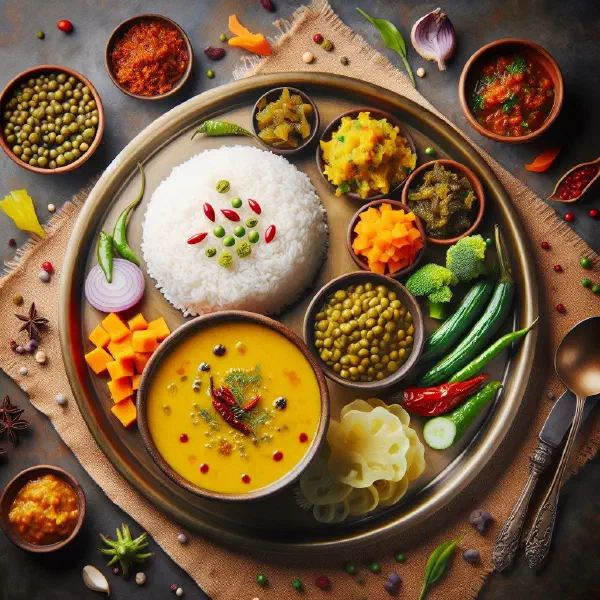
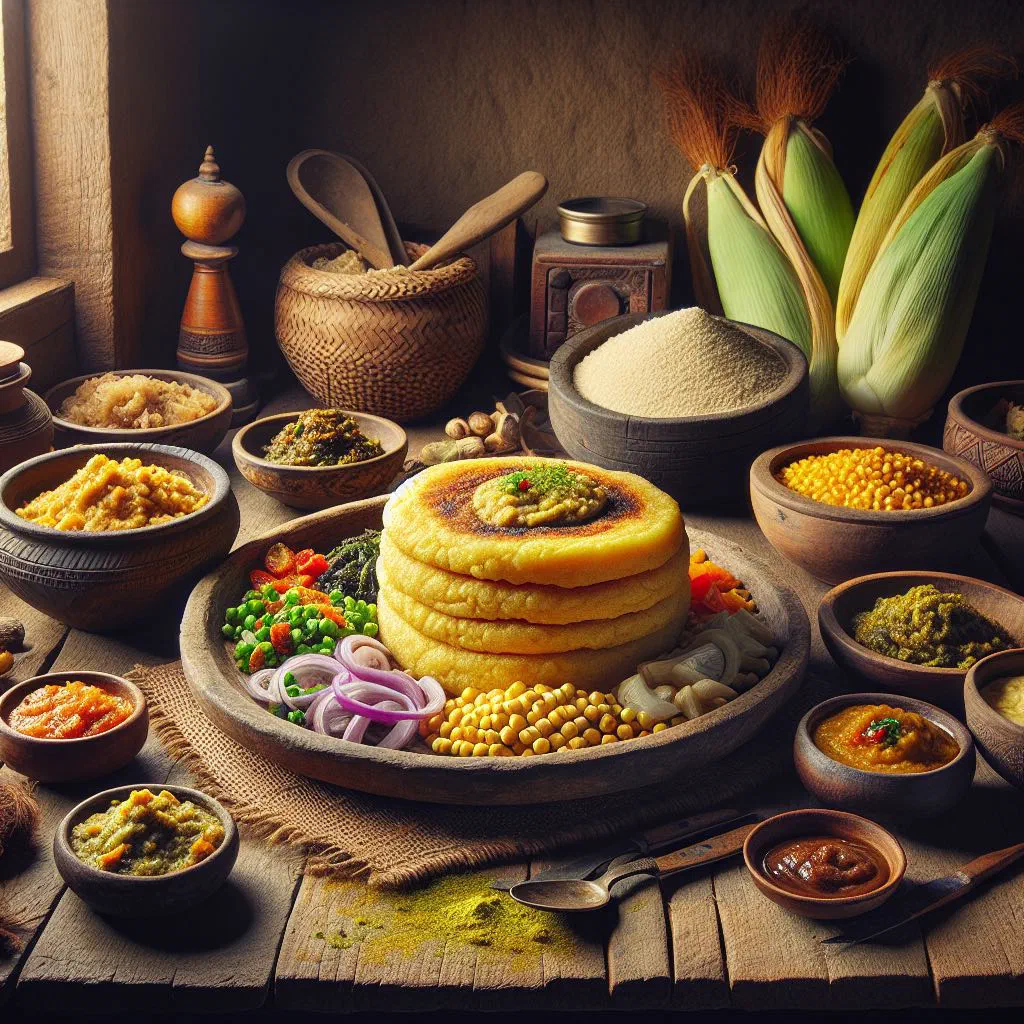
The way you present Dhido can make a real difference to the meal. Serve the dish in an attractive bowl and garnish it with fresh herbs or a spoonful of yoghurt. Set out the lentils and vegetables in separate dishes to the side so the colours and textures really stand out. A thoughtful presentation like this shows off your cooking and makes the food all the more appealing to the eye.
A bit of history
The origins of Dhido reach far back into Nepalese culture, where it is a symbol of tradition and a way of life. It is often prepared in rural areas, where it is a dietary staple. Over the years it has grown into a dish that satisfies hunger and represents community and togetherness. Today, dhido is a must-try for anyone keen to discover Nepalese cuisine, sitting alongside classics such as Dal Bhat.
More recipe ideas
Summary: Dhido
In short, Dhido is a filling dish and a cornerstone of Nepalese culture. With its simple preparation and endless scope for adaptation, it suits a wide range of diets and tastes. Using fresh ingredients guarantees not just outstanding flavour but a genuinely nourishing meal. Try dhido in your own kitchen and enjoy a little taste of Nepal.