National Dish Nepal: Fenugreek Curry (Recipe)
In this article
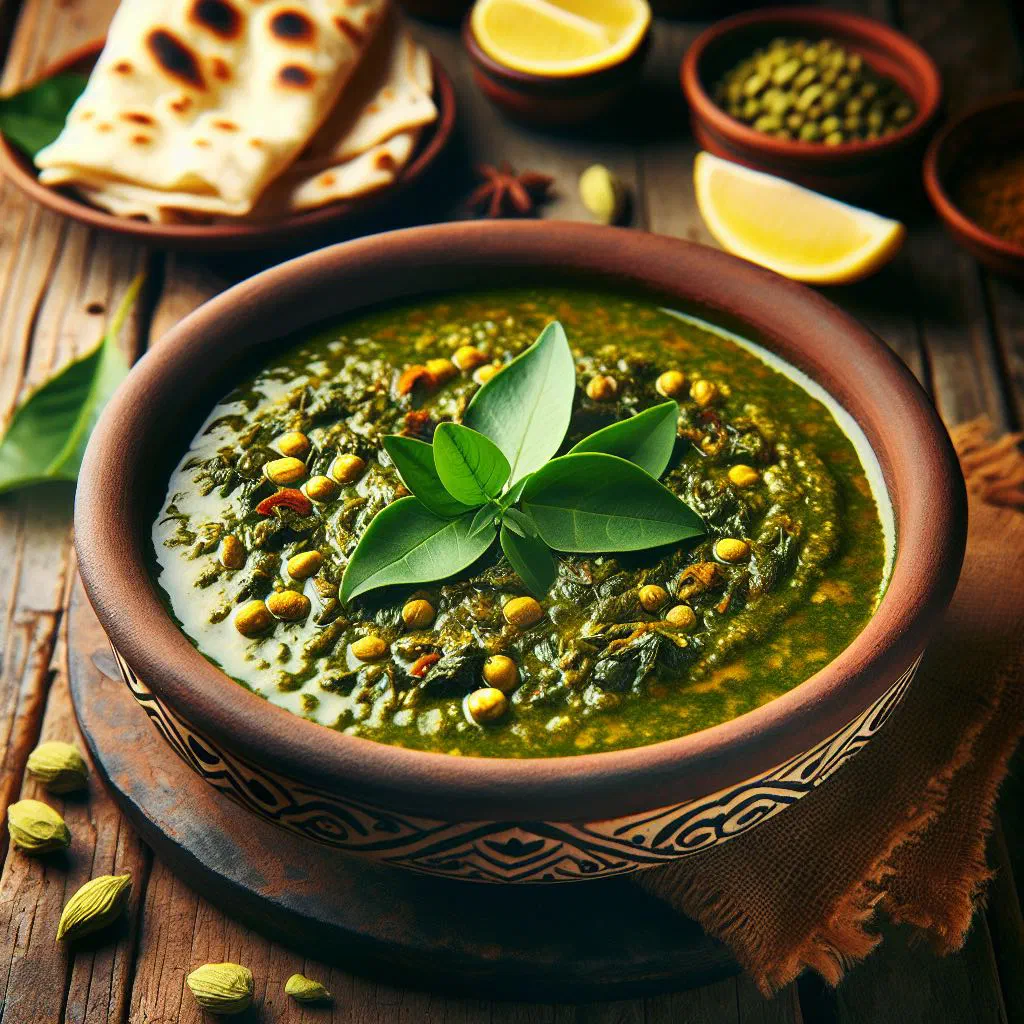
Discover Fenugreek Curry, a fragrant vegetarian dish that captures the soul of Nepalese home cooking. Built around the gently bitter, nutty flavour of fenugreek, it balances warm spices, ripe tomatoes and fresh chillies into a comforting, deeply aromatic sauce. Simple to make yet full of character, this is the kind of everyday curry that turns a bowl of rice into something memorable. Bring the flavours of the Himalayan kitchen straight to your own table.
About Fenugreek Curry
Fenugreek Curry, also known as Methi Curry, is a creative and delicious dish from Nepalese cuisine. It is defined by the unmistakable flavour of fenugreek seeds, prized in the kitchen for their aromatic taste and for their reputed health benefits. This curry is an excellent choice for vegetarians and shows just how varied Nepalese cooking can be. The combination of fresh spices and vegetables creates a harmonious balance of savoury and warming aromas that appeals to every palate.
Ingredients (serves 1–2)
- 2 cups fresh fenugreek leaves, or 2–3 tablespoons dried fenugreek seeds
- 1 medium onion, finely chopped
- 2–3 cloves garlic, chopped
- 1 small piece fresh ginger, grated
- 2 tomatoes, diced
- 1 teaspoon turmeric powder
- 1 teaspoon ground cumin
- 1 teaspoon ground coriander
- 1–2 green chillies, to taste
- Salt to taste
- Oil for frying
- Fresh coriander leaves, to garnish
Shopping for the ingredients
To prepare a delicious Fenugreek Curry, it is worth buying all the ingredients you need in advance. Many of them are easy to find in Asian or Indian grocery shops, particularly the fenugreek seeds and the spices. If you cannot track down fresh fenugreek leaves, the dried variety makes a perfect alternative. Take care to choose good-quality ingredients so you can guarantee the best possible flavour in your finished dish. Many of the same store-cupboard spices also feature in a warming Chana Masala.
Preparing the dish
Preparation is an essential step in getting the most out of your Fenugreek Curry. Begin by washing the fresh fenugreek leaves thoroughly to remove any dirt and grit. Next, prepare all the other ingredients according to the list: chop the onions, garlic and ginger, and dice the tomatoes. By getting everything ready in advance, you ensure that the cooking itself runs smoothly and efficiently.
Step-by-step instructions
- Heat a little oil in a pan and add the chopped onions. Fry them until they are golden brown.
- Now add the chopped garlic, grated ginger and green chillies. Continue to fry briefly until fragrant.
- Add the diced tomatoes and the spices (turmeric, cumin, coriander) and cook until the tomatoes have softened.
- Stir in the fenugreek leaves or the dried seeds and mix everything together well. Let the curry simmer gently over low heat until the flavours have combined.
- Taste the curry and adjust the seasoning with salt as needed. Garnish with fresh coriander leaves.
Gluten-free / lactose-free version
Fenugreek Curry is naturally gluten-free and lactose-free, which makes it a great option for anyone with food intolerances. Simply use the basic ingredients listed above without adding any products that contain gluten. Double-check that the spices you use do not contain any hidden gluten. That way you can enjoy this delicious curry without having to worry about intolerances at all.
Tips for vegans and vegetarians
Fenugreek Curry is already vegetarian by nature, and it can easily be made vegan. Just make sure that no animal products are hidden in the spices or oils you use. You can also bulk out the curry with extra vegetables, such as courgette, carrots or cauliflower, to make it richer and more nourishing. Adding plant-based proteins like chickpeas or lentils gives the dish even more nutrients and flavour.
More tips and tricks
A few simple tips can help you make an even better Fenugreek Curry. Take care not to burn the spices while cooking, as this can lead to a bitter taste. A good method is to toast the spices in a small amount of oil before adding the other ingredients. If you like things hotter, you can add extra green chillies or even a little chilli powder. Experiment with the quantities to find the perfect flavour for your own preferences.
Adapting the recipe to your taste
Fenugreek Curry is extremely adaptable and can easily be tailored to your own taste. Feel free to add different vegetables or to vary the spices to suit you. If you prefer a creamier consistency, you can stir in a small amount of coconut milk or yoghurt. Don’t be afraid to experiment with new ingredients to discover which combinations you like best, much like you might with a comforting Mushroom Curry.
Ingredient substitutions
If some ingredients for your Fenugreek Curry are hard to find, there are plenty of alternatives you can use. Instead of fresh fenugreek leaves, you can also use other green leafy vegetables such as spinach or fennel. Dried spices are likewise a great option, especially in regions where fresh produce is hard to come by. Look at the options available to you and choose whatever works best. Fenugreek leaves also shine in a Methi Ko Paratha.
Drink pairing ideas
A wide range of drinks pairs beautifully with Fenugreek Curry, complementing its aromatic and spicy notes wonderfully. Try a refreshing Indian mango lassi, which balances out the heat of the curry. A lightly chilled, fruity white wine, or a typically Nepalese drink such as Raksi, can also fit harmoniously into the menu. Just make sure the drink you choose is not too dominant, so it doesn’t overpower the flavour of the curry. A cup of Nepalese Masala Tea rounds off the meal nicely too.
Serving and presentation ideas
Presentation plays an important role in the enjoyment of any dish. To serve your Fenugreek Curry attractively, use a lovely bowl and garnish the dish with fresh coriander leaves. Serve it alongside fragrant basmati rice or freshly baked Naan bread. Adding lime wedges as a garnish gives the dish an extra splash of colour and a fresh taste that makes the meal even more inviting.
A bit of history
Fenugreek Curry has its origins in the rich tradition of Nepalese cuisine, in which spices and aromas play a central role. Fenugreek seeds have been valued for centuries as a spice and for their health benefits. In Nepal, preparing this curry is a tradition often handed down from generation to generation. It brings together flavours and communities and families, who gather around the table. It sits comfortably within the wider world of Nepalese cuisine.
More recipe ideas
Summary: Fenugreek Curry
Fenugreek Curry offers an authentic taste of Nepalese cuisine that is full of flavour and simple to prepare. With a whole host of possible adaptations and ingredients, it is a wonderful choice for anyone who loves vegetarian or vegan dishes. This curry is a treat for all the senses. Let it inspire you and give it a try, a taste that leaves lasting memories.