National Dish Nepal: Ghiu Chaku (Recipe)
In this article
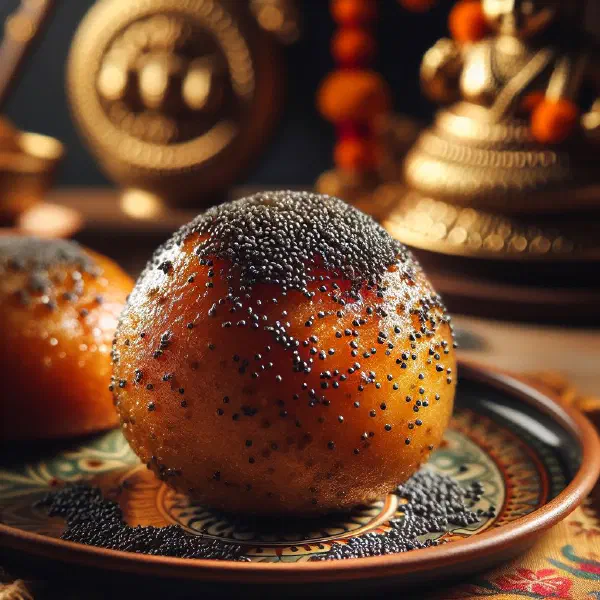
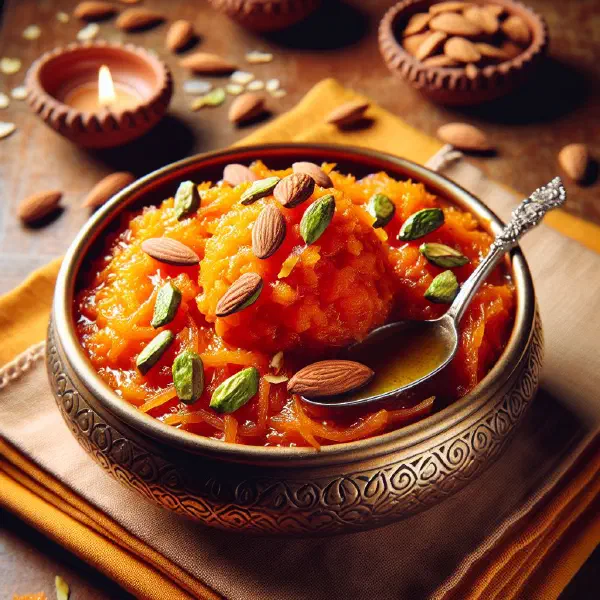
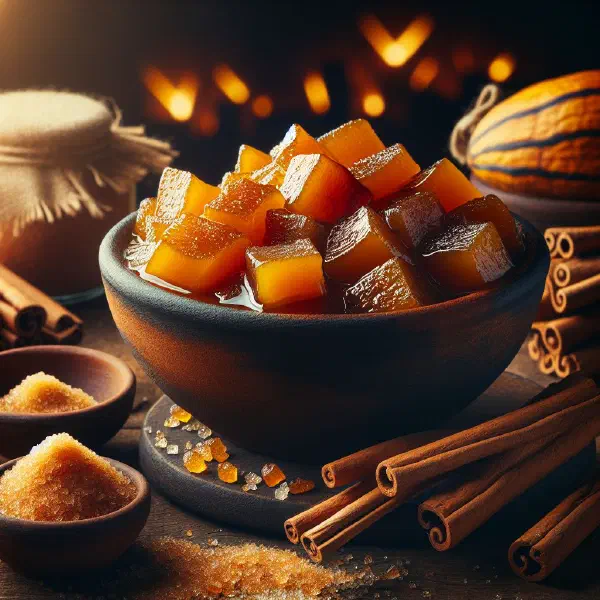
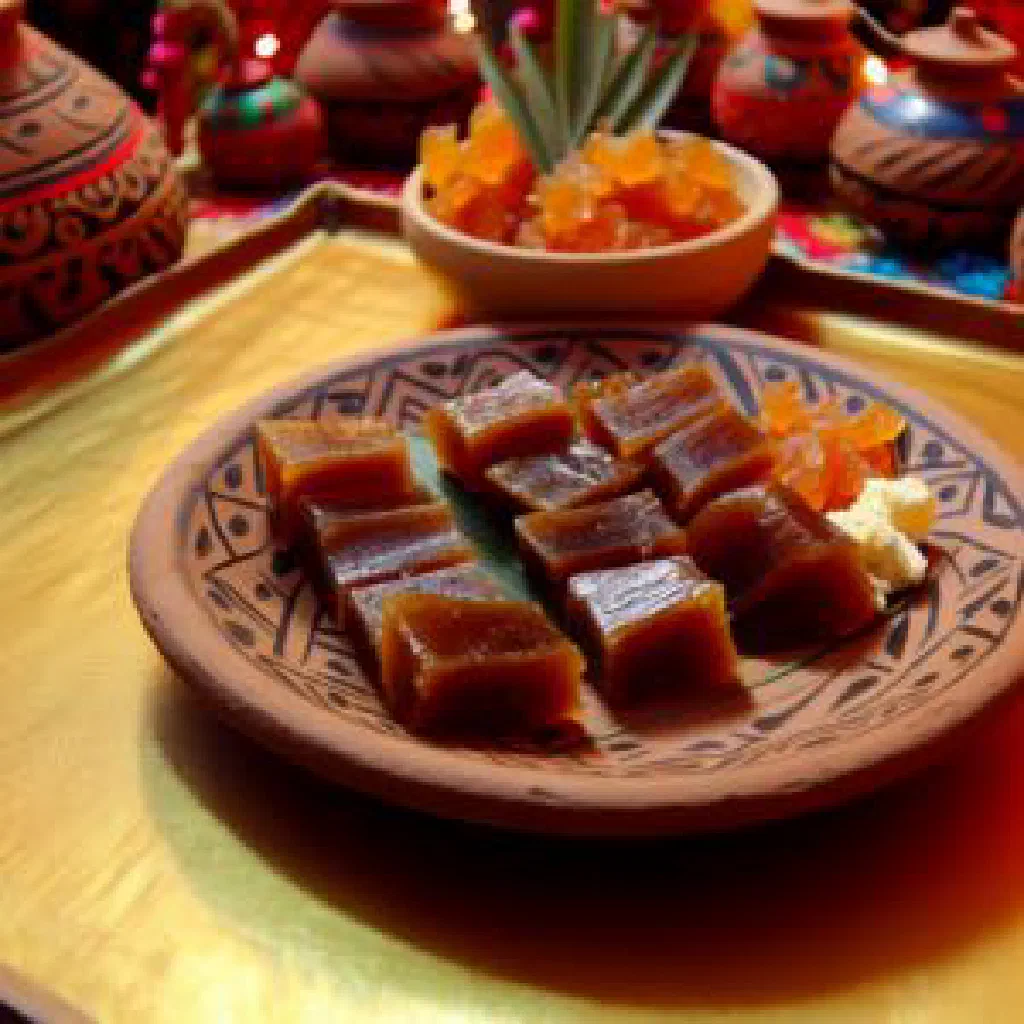
Meet Ghiu Chaku, a traditional Nepalese sweet that pairs deep, glossy molasses with rich, golden ghee. Warming and unashamedly indulgent, it is the kind of treat that appears at winter festivals and family celebrations, where sharing something sweet is a mark of hospitality. With just a handful of humble ingredients, this dessert lets pure, honest flavour take centre stage, and brings a little of the sweet soul of Nepal to your own kitchen.
About Ghiu Chaku
Ghiu Chaku is a traditional Nepalese dessert that offers a wonderful blend of sweet flavour and cultural depth. The dish is made from ghee and molasses, whose warmth mirrors the generous spirit of Nepalese hospitality. It is often served during festive occasions and special celebrations, giving it an important place in the country’s kitchen. The simplicity of the ingredients allows their natural flavour to shine, making Ghiu Chaku a memorable treat.
Ingredients (serves 1–2)
- 100 g ghee
- 200 g molasses
- 1 pinch of salt
- Optional: nuts or dried fruit, to decorate
Shopping for the ingredients
If you want to make Ghiu Chaku, it pays to buy fresh, good-quality ingredients. You will find ghee in your local supermarket or in specialist Asian grocers. Molasses is also widely available, though it is worth choosing a good, unsweetened variety. Nuts and dried fruit for decoration bring extra aroma and texture to the finished dish, and are the same kind of finishing touch that lifts a bowl of Kheer.
Preparing the dish
Before you start making Ghiu Chaku, make sure you have all your ingredients ready. Set aside a suitable pan or pot along with a mould or tin to set the sweet in. It helps to weigh out and prepare everything in advance to keep the cooking process running smoothly. This bit of groundwork means you can give the cooking your full attention once you begin.
Step-by-step instructions
- Heat the ghee in a medium pan over a low to moderate heat.
- Add the molasses and stir the mixture well until it has melted completely.
- Add a pinch of salt and keep stirring until the mixture just begins to simmer.
- Pour the mixture into a greased tin and leave it to cool.
- Optionally, decorate the top with nuts or dried fruit.
Gluten-free / lactose-free version
Ghiu Chaku is naturally gluten-free and lactose-free, as it consists only of ghee and molasses. When buying ghee, check that it is pure and free from added ingredients. This makes the dish ideal for anyone with a food intolerance. You can enjoy the simple preparation without giving gluten or lactose a second thought.
Tips for vegans and vegetarians
Although Ghiu Chaku is traditionally made with ghee, vegans can use a plant-based alternative. Coconut oil or vegan margarine work well in place of ghee, giving a similar texture and a delicious flavour. The remaining ingredients are already vegan-friendly. Home-made molasses or a fruit-based paste can also be a versatile way to adapt the dish.
More tips and tricks
For the best result, melt the ghee slowly over a low heat to avoid scorching it. Resting time after cooking matters too, as it lets Ghiu Chaku reach the right firm consistency. Many cooks recommend letting it cool overnight in the fridge, as it then sets more firmly and is easier to cut. Feel free to experiment with the ingredients to add your own personal touch.
Adapting the recipe to your taste
Ghiu Chaku can be adapted in many ways to suit your own palate. You might increase or reduce the sweetness depending on how sugary you like it. Extra ingredients such as cardamom or cinnamon can also be added for a further layer of aroma. Play with the ingredients to create a version that fits your preferences perfectly.
Ingredient substitutions
If you do not have molasses to hand, you can use honey or sugar instead, though this will alter the flavour slightly. For a less sweet version, coconut sugar works nicely. Make sure the alternative harmonises well with the ghee. Rice syrup is another good stand-in, as it has a similar consistency to molasses.
Drink pairing ideas
Ghiu Chaku goes beautifully with a glass of Nepalese chai, a spiced tea whose warmth complements the sweetness of the dessert perfectly. Try it alongside a cup of Nepalese Masala Tea. For an alcoholic option you might choose a light, fruity wheat beer or a fresh cider. A glass of sparkling water with a squeeze of lemon can also help balance the flavours. Pick whatever appeals most to your taste.
Serving and presentation ideas
For an appealing presentation, serve Ghiu Chaku in small bowls or on a decorative plate. Adding nuts or fruit to the top gives the dessert a lovely look and a pleasing crunch. A scattering of fresh herbs can lend an interesting touch of colour. Remember that presentation shapes the first impression, so make it inviting.
A bit of history
Ghiu Chaku has deep roots in Nepalese culture and is often served at festivals and ceremonies. It is a symbol of hospitality and celebration in a society that values the sharing of food, much like the yoghurt sweet Juju Dhau. Historically it was also an important part of the diet, especially in rural regions where the main ingredients are easy to come by. The preparation is simple, yet its finesse speaks to the rich heritage of Nepalese cuisine, which you can explore further across Nepalese cuisine.
More recipe ideas
Summary: Ghiu Chaku
Ghiu Chaku is more than just a dessert; it is a key part of Nepalese culture and an expression of hospitality and communal sharing. With its simple yet flavourful ingredients, Ghiu Chaku is an essential recipe for anyone keen to discover Nepalese cooking. The dish’s versatility allows for countless adaptations, so it can be made to suit every taste. Give it a try and let the sweet soul of Nepal work its magic.